

When Doris Kearns Goodwin was still young and unknown and writing her biography of former President Lyndon B. Johnson, she stayed at his Texas ranch. Sometimes, she said later, when he could not sleep, he would settle into her bed and confess his troubles while she sat nearby.
Walter Isaacson was at Steve Jobs' bedside as Jobs was dying of cancer, an experience, Isaacson has acknowledged, that made him "deeply emotionally wrapped up" with his subject.
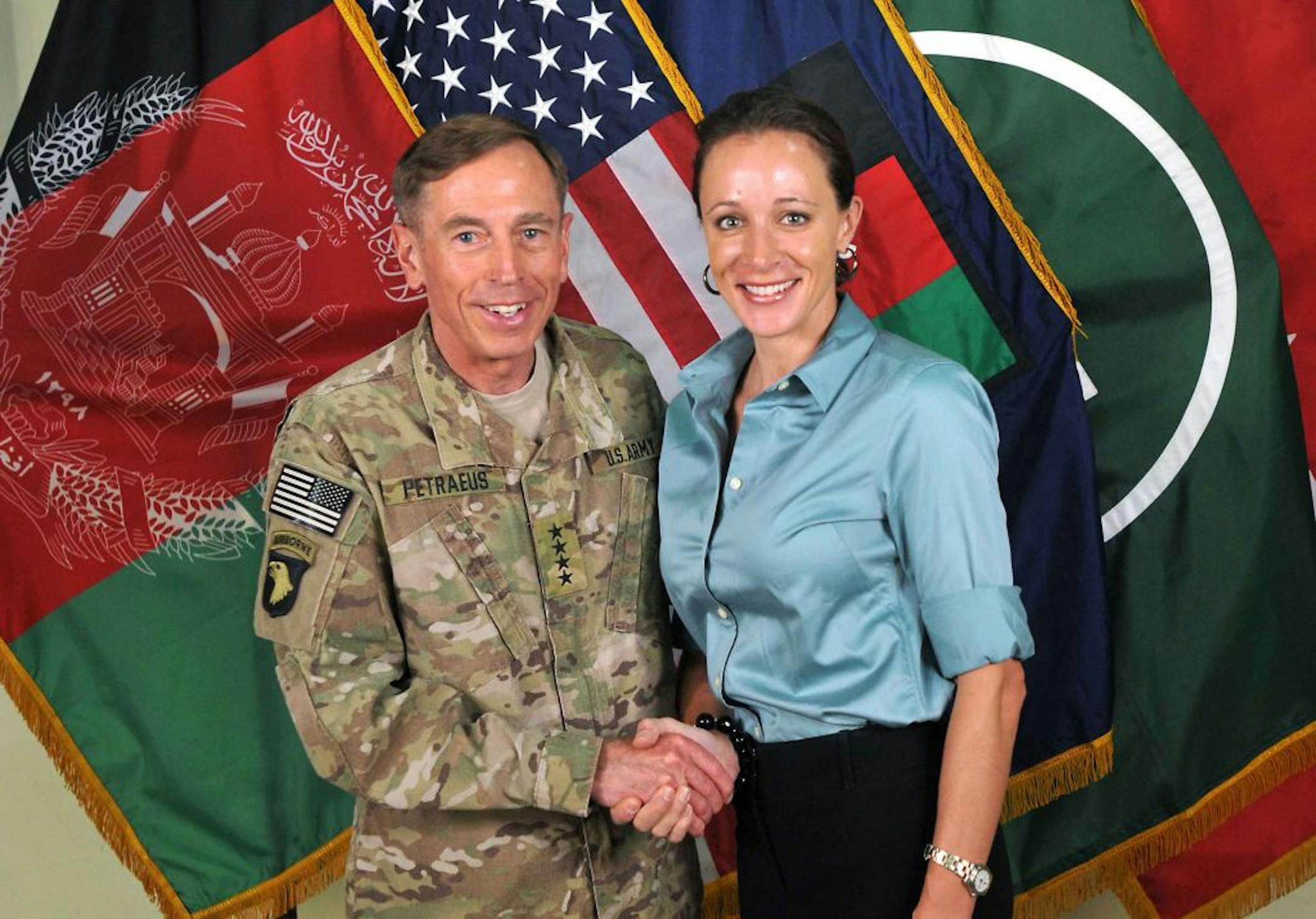
Contemporary biography has always been a tricky balancing act, even before Paula Broadwell demonstrated with her book about David Petraeus how the scales can tip decisively the wrong way.
The challenge of writing a biography about a person who is still alive is that an author must first establish trust and a comfort level with a subject to get access and a free flow of information. But the biographer is still expected to evaluate and expose unsparingly.
There's no road map to follow because publishing houses acquire all types of biographies -- from serious historical tomes to quick turnarounds about of-the-moment public figures -- and do not have clear boundaries for authors on how to achieve their objectives.
"Any biography of a living, breathing and active figure who's still at the height of his powers is going to have to strike a delicate balance between access and objectivity," said Tim Duggan, executive editor at HarperCollins. "It can be very tricky, and it requires real finesse."
Even in the wake of revelations that Broadwell was having an affair with Petraeus, then the director of the Central Intelligence Agency and the subject of her biography, "All In: The Education of General David Petraeus," editors and biographers alike were loath to condemn the book outright because the rules in this area are so hazy.
"I suppose it ultimately depends on the book," said Stephen Rubin, president of Henry Holt, "though I would prefer if they didn't have sex, because you lose a sense of perspective objectivity when you are romantically linked."


