

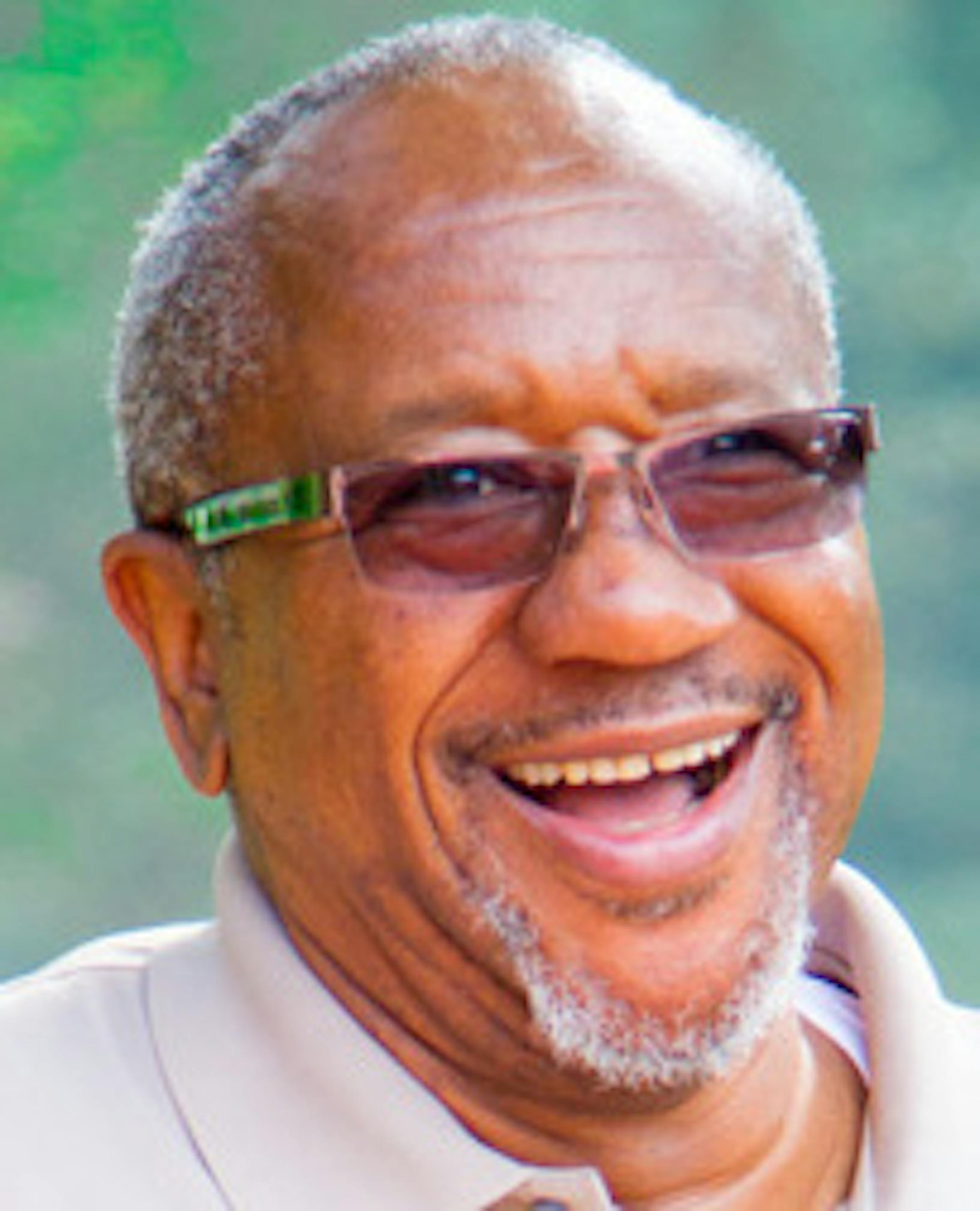
It was 1976 and Bill Smith had been drinking heavily since his four-year tour in the Navy ended. He felt lots of hurt and displayed considerable belligerence, which was causing him problems at home and on the job at Honeywell, where he was an electrician.
He checked into St. Mary's Hospital, and then went on to Turning Point, a new halfway house on the North Side of Minneapolis, the Upper Midwest's first residential Afro-centric program for recovering alcoholics.
Eight months later, Smith became Turning Point's first graduate. He stayed sober for more than 41 years, carrying the message that there was a solution. Friends say he helped generations of people achieve and maintain sobriety.
"Anyone who gets into alcoholism isn't a stellar person in the community," recalls his friend John Bergren of Waconia. But he said Alcoholics Anonymous (AA) made Smith a changed man. "He was the kindest, gentlest man I ever knew, and he didn't get that way without working the program."
Smith, 75, died of lung cancer on June 18.
For decades, he and other AA members visited the state correctional institutions at Stillwater and Lino Lakes to hold AA meetings for inmates.
"He was very comfortable in those meetings," said Patrick Higgins, a retired mental health counselor in the state corrections system and a friend of Smith's. "Bill was a warm, genuine guy that a lot of people connected to."
Smith befriended many recovering alcoholics. "He organized annual holiday dinners for African-Americans in recovery and for their families and supporters," said his wife, Susan. In 2015, he was named Turning Point's first client of the year. "We are trying to have as many Bill Smiths come through our program that we can," said Peter Hayden, co-founder and CEO of Turning Point. Since Smith's graduation, Turning Point has helped some 28,000 people with drug and alcohol addictions, including some with mental health issues, he said.


