

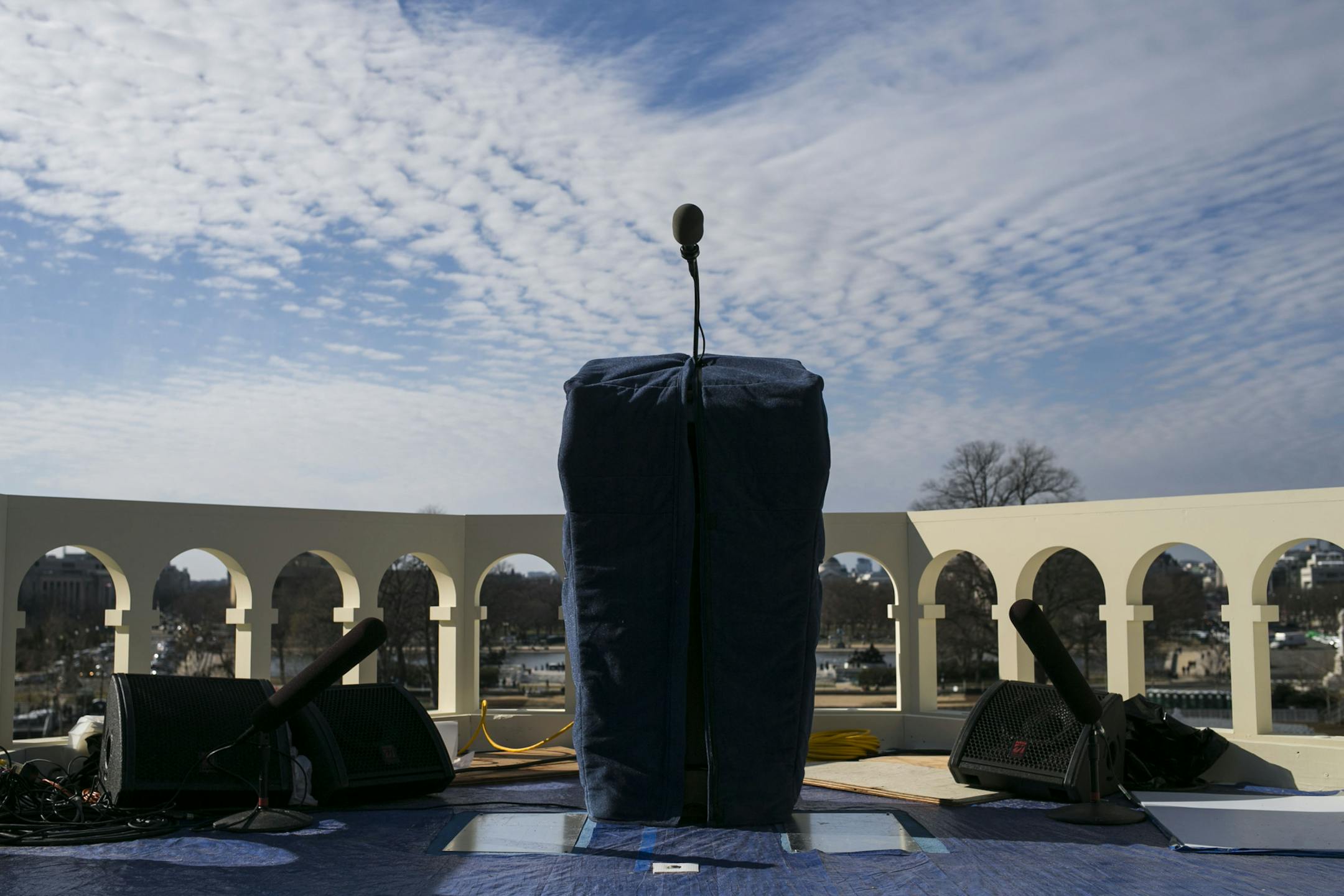
NEW YORK - Donald Trump is trying to keep the names of the people and companies donating millions of dollars to his inauguration festivities this week a secret — a break from his Republican and Democratic predecessors in the White House.
At least the past three presidents, Bill Clinton, George W. Bush and Barack Obama, all disclosed names of donors before they were sworn into office.
A federal law passed when Bush was in office required presidents to reveal names of contributors, but only 90 days following the inauguration.
Some names have been leaked out or have been released by the donors themselves. Chevron gave $500,000 and will sponsor additional events and Boeing pledged $1 million, according to the companies. AT&T and JPMorgan Chase also donated, according to the companies. Other corporate donors include those who donated to Obama's inauguration or had declined to contribute to the Republican National Convention last summer, including UPS, Bank of America and Deloitte, according to the New York Times.
"It is all about access and influence," said Craig Holman, a lobbyist for the nonpartisan public advocacy group Public Citizen. "Donations come in very large amounts and from those who almost always want something from the new administration."
Occidental Petroleum, one of Clinton's donors, for example, reached a settlement with the Energy Department in a price-fixing case after Clinton took office. AT&T, one of Obama's donors, lobbied for regulatory approval of a merger with rival T-Mobile.
Trump's decision doesn't surprise those who have watched him hire or appoint donors and lobbyists as well as advocate for secrecy.
He did not release the names of so-called bundlers who raised thousands of dollars for him from friends, acquaintances and associates. He did not release his tax returns, a common practice for presidential nominees for four decades. Some of his nominees to be Cabinet secretaries have delayed providing background materials before their confirmation hearings. And in recent days, he has threatened to investigate how journalists received classified information.


