

Opinion editor's note: Star Tribune Opinion publishes a mix of national and local commentaries online and in print each day. To contribute, click here.
•••
For nearly 30 years, as our politics grew ever more bitter, we have also focused ever more intensely on the presidency. From Bill Clinton to George W. Bush to Barack Obama, polarization kept increasing. Voters in each party gave less and less approval to presidents from the other one. Even their views of the economy became dependent on who was in the White House.
During Donald Trump's presidency, the character of the president became the top political issue. Trump's chief political goal often seemed to be to make sure that every conversation in the country was about him. To a remarkable degree, he succeeded.
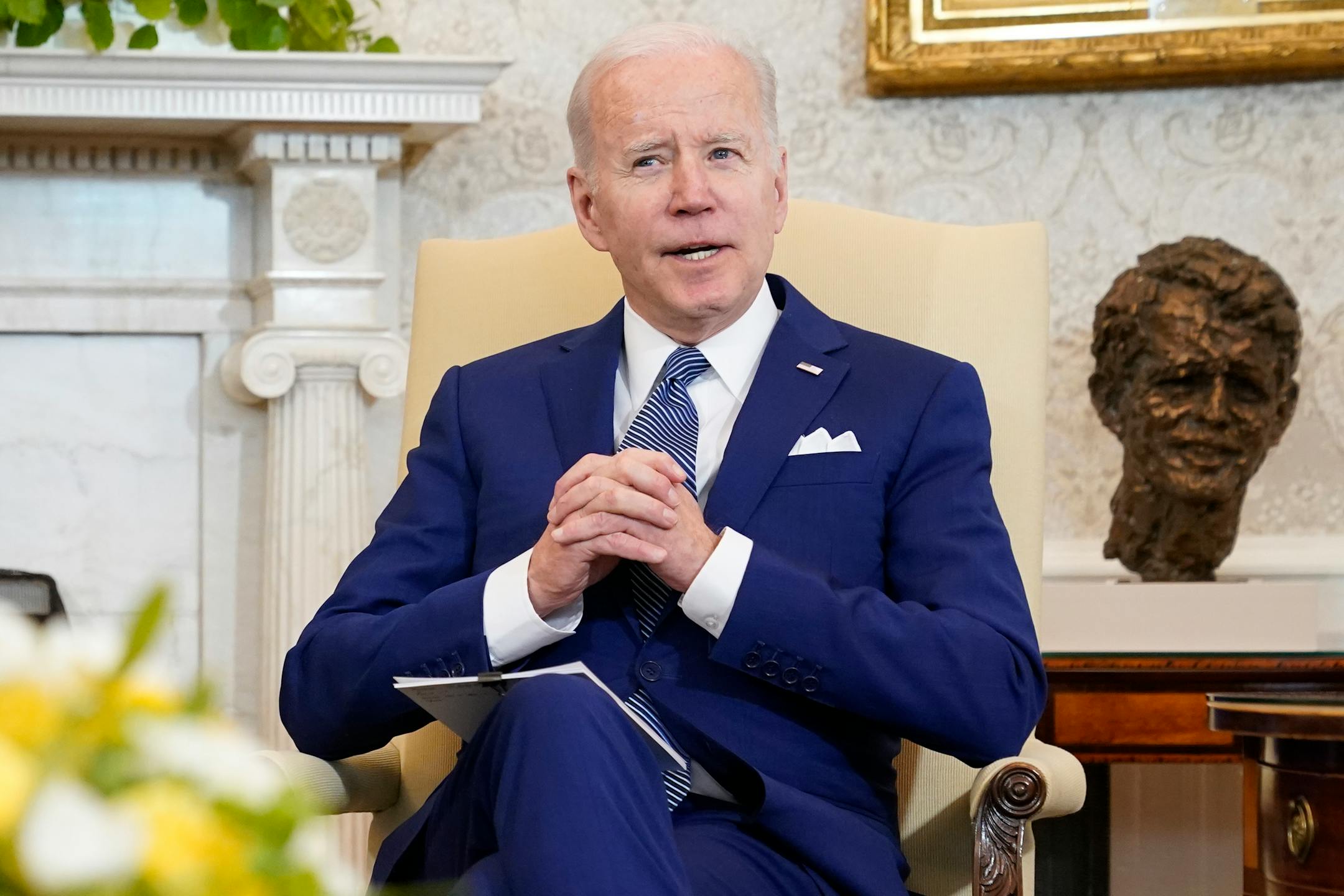
But now, under President Biden, the trend has reversed. Biden implicitly campaigned on the promise that he would not demand as much attention as Trump. There would be a return to normality. In shrinking the presidency, however, he is the one who is breaking the recent norm. Compared with his recent predecessors — and not just Trump — Biden gives fewer interviews and takes more holidays.
Biden's lower profile is surely in part a reflection of his age, acuity and energy level. But it also seems to be a deliberate political strategy — and one that has worked.
To say that Biden is shrinking the presidency does not erase his legislative accomplishments, which have been impressive given the narrow Democratic majorities in Congress during his first two years in office. It does, however, explain how a lot of those accomplishments happened.
They came together because he stayed on the sidelines. Senate Republicans and Democrats reached deals on infrastructure and semiconductor bills, and Biden blessed those deals. Sens. Joe Manchin III of West Virginia and Charles E. Schumer of New York agreed on which Democratic priorities would make it into the Inflation Reduction Act and which would go, and Biden went along.


