

WASHINGTON — President Joe Biden's pledge to cut America's climate warming emissions in half by 2030 is technologically feasible and, scientists say, ecologically imperative. Economically, it could be a gamble.
The speed of the president's promised transformation to an economy far less reliant on fossil fuels risks exposing vulnerabilities in the nation's electricity system and unsettling its transportation sector, while potentially increasing American reliance on goods imported from China. Utility chiefs say they could handle the transition over a slightly longer timeline, but they warn of rolling blackouts to meet the president's 2030 target. General Motors said it will sell only vehicles that have zero tailpipe emissions by 2035; the 2030 date has autoworkers worrying about steep job losses.
But if Biden can orchestrate the seamless transition that he is promising, the rewards could be high: lower risk of catastrophic climate change, a burst of new middle-class jobs and renewed global leadership for American companies in the industries administration officials believe will define the rest of the 21st century.
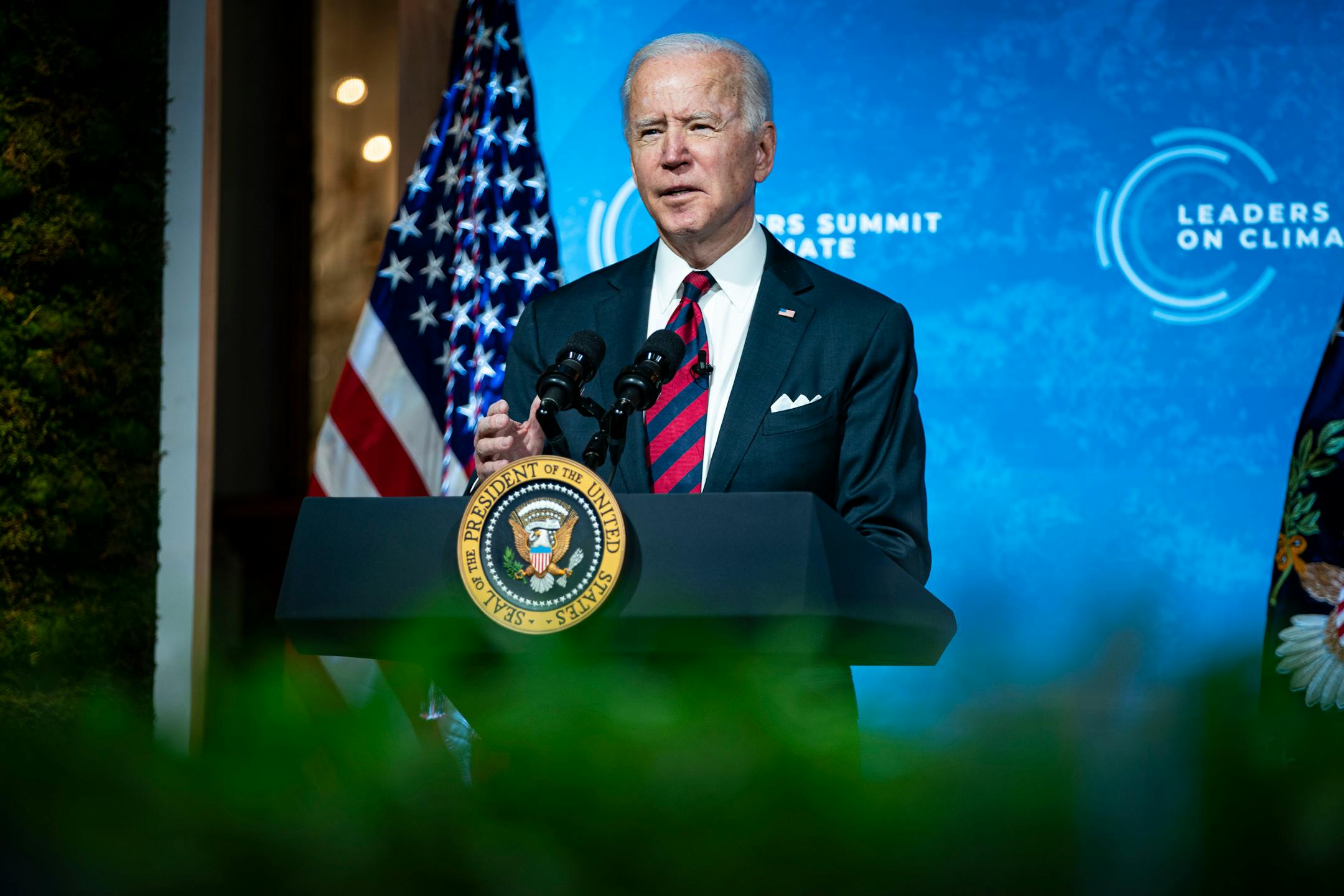
The president's pledge, made at the start of a two-day climate summit hosted by the White House, represents perhaps the greatest bet in recent American history on what economists call industrial policy, the idea that the government can steer the development of jobs and industries in the economy.
Biden and his advisers, backed by several economic analyses, believe they can spend enough federal money and sufficiently regulate the economy to vault America's manufacturers and research laboratories to the head of a global race to a low-emission future, while adding jobs and raising worker pay.
White House aides say the energy transition is coming and Biden's path is the only way to avoid the kind of economic damage American workers experienced in the early 2000s, when automation and globalization claimed millions of manufacturing jobs and America's leaders seemed powerless to replace them.
On Friday Biden's Council of Economic Advisers argued that failing to draw down carbon emissions will leave the United States straggling behind China.
"As we transition to a clean energy future, we must ensure workers who have thrived in yesterday's and today's industries have as bright a tomorrow in the new industries," Biden said.


