

Opinion editor's note: Star Tribune Opinion publishes a mix of national and local commentaries online and in print each day. To contribute, click here.
•••
Among my earliest attempts at fiction was "The Misfit," a short story about a brilliant, competitive, though anti-social and paranoid college student.
The writing was amateurish, but the story was centered around a gimmicky surprise that enabled me to sell it to Aim magazine in 1978: After a climactic confrontation at the end, the principal character is identified as the young Richard M. Nixon.
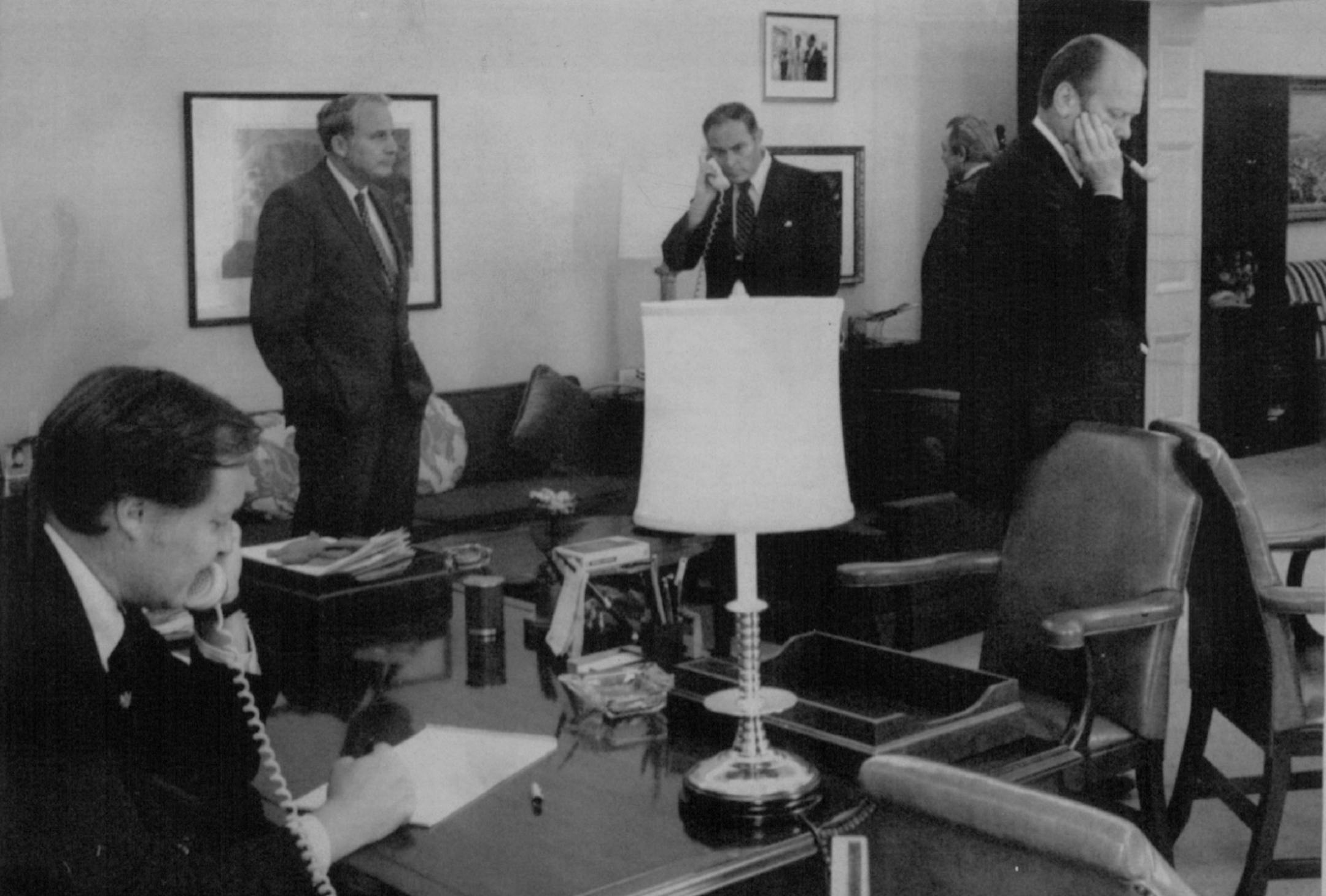
In real life, Nixon was the only U.S. president to resign, following the Watergate scandal. And Americans my age remember the outrage triggered when President Gerald Ford granted him a pardon in 1974.
Ford's press secretary, Jerald terHorst, resigned in protest, and public demonstrations denouncing Ford were staged throughout the country.
The Watergate hearings revealed that Nixon had abused his power by authorizing the burglary of Democratic headquarters and that he subsequently oversaw a cover-up. But before Nixon could even be indicted, Ford issued a full, preemptive pardon.
Voters, including yours truly, smelled a rat. Critics credibly claimed that Ford was a party to a backroom deal — that Nixon had handed him the vice presidency (to succeed disgraced VP Spiro Agnew) on the condition that Ford grant a pardon when Nixon resigned.


