

An unlikely fight is breaking out over President-elect Joe Biden's choice for agriculture secretary, pitting a powerful Black lawmaker who wants to refocus the Agriculture Department on hunger against traditionalists who believe the department should be a voice for rural America.
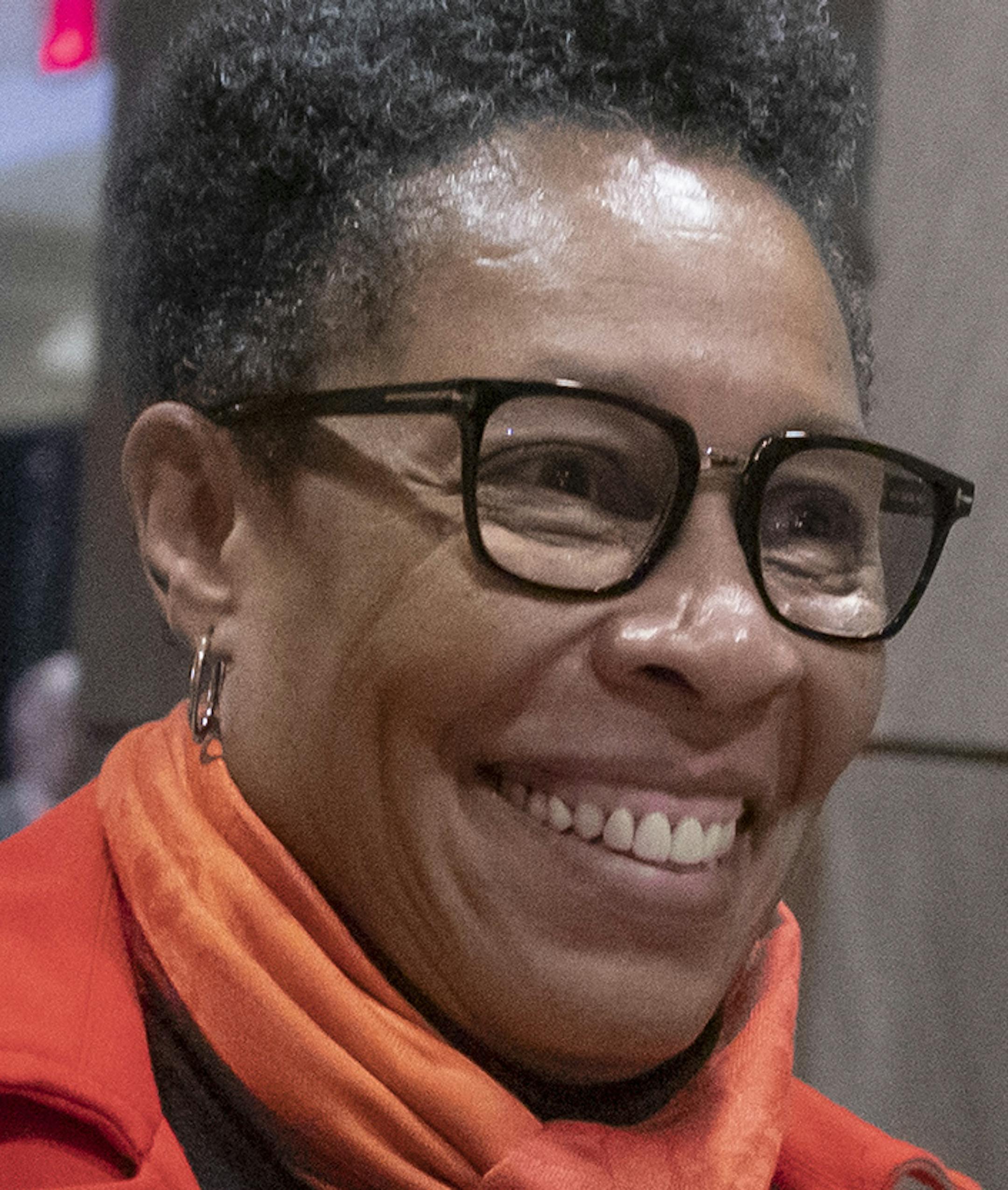
Rep. James Clyburn of South Carolina, the highest-ranking Black member of Congress and perhaps Biden's most important supporter in the Democratic primary, is making an all-out case for Rep. Marcia Fudge of Ohio, an African American Democrat from Ohio.
Clyburn, whose endorsement of Biden before the South Carolina primary helped turn the tide for the former vice president's nomination, has spoken to him on the phone about Fudge as recently as this week. The lawmaker has also lobbied for her with two of the president-elect's closest advisers and discussed the matter with Speaker Nancy Pelosi.
"I feel very strongly," Clyburn said in an interview Wednesday about Fudge, who leads the nutrition and oversight subcommittee on the House Agriculture Committee.
"It's time for Democrats to treat the Department of Agriculture as the kind of department it purports to be," he added, noting that much of the budget "deals with consumer issues and nutrition and things that affect people's day-to-day lives."
But there are complications. Two of Biden's farm-state allies are also being discussed for the job: Heidi Heitkamp, a former senator from North Dakota, and Tom Vilsack, the former Iowa governor who served as agriculture secretary for President Barack Obama.
The delicate proxy clash over the post, which is usually not as coveted as more high-profile Cabinet positions, has pitted Democrats eager to emphasize issues like hunger and nutrition against more traditional members of the party who believe the department should represent rural America. The sprawling agency oversees farm policy, the Forest Service, food safety and animal health but also the food-stamp program, nutrition services, rural housing and rural development. More broadly, the debate illustrates the challenge Biden faces as he builds his administration. Every appointment he makes interlocks with others, and if he does not select a diverse candidate for one position, it becomes more likely he will for other posts.
The Agriculture job specifically is pinching Biden between two of his central campaign themes, which he repeated in plain terms this month in his victory speech: that he owes a special debt to African American voters and that he wants to be a president for all Americans, including those who didn't vote for him.


