

Opinion editor's note: Editorials represent the opinions of the Star Tribune Editorial Board, which operates independently from the newsroom.
•••
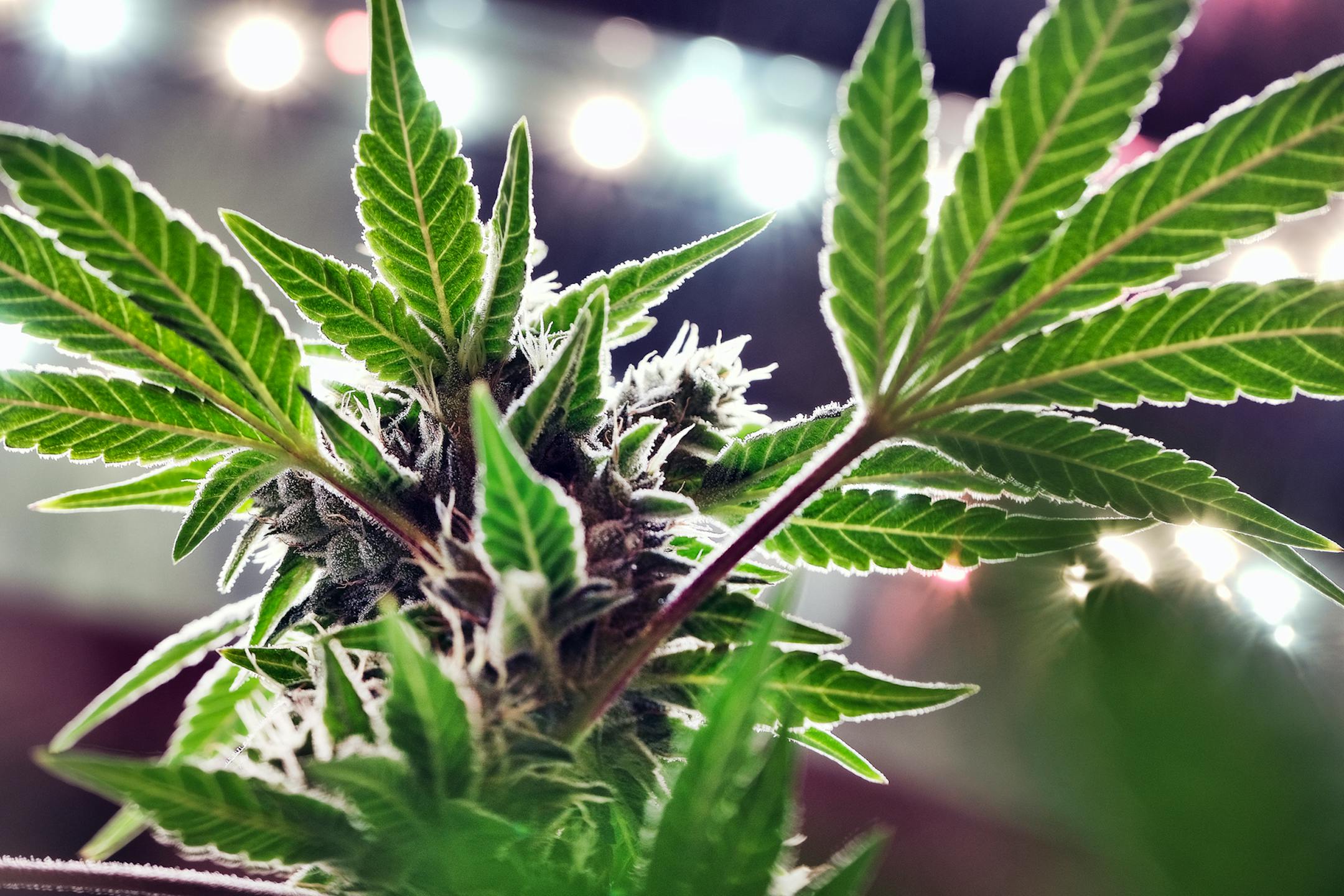
As part of the decades-long war on drugs, the U.S. government made possession of marijuana a federal crime in the 1970s, punishable by up to a year in prison. But President Joe Biden has now reversed course, offering pardons to those who have struggled too long under the stigma of federal convictions for marijuana possession.
"Sending people to jail for possessing marijuana has upended too many lives — for conduct that is legal in many states," Biden said on Twitter when he announced the new policy, fulfilling a campaign pledge. "That's before you address the clear racial disparities around prosecution and conviction. Today, we begin to right those wrongs.
"There are thousands of people who have prior Federal convictions for marijuana possession, who may be denied employment, housing, or educational opportunities as a result. My action will help relieve the collateral consequences arising from these convictions."
The wrongs occurred on numerous fronts. Overly aggressive enforcement pushed many otherwise law-abiding citizens into the criminal justice system. Biden noted that thousands of those with prior federal convictions for possession might be denied jobs, housing or educational opportunities.
Untold taxpayer dollars have gone into offenders' pursuit, arrest and often imprisonment. Worse, justice was far from color-blind. Black Americans have been arrested or cited far more than whites. In a September analysis, the Minnesota Reformer noted that Black Minnesotans were nearly five times as likely to be arrested on marijuana charges. Possession has been decriminalized in Minnesota — it is a petty misdemeanor, subject only to a fine — but even so, law enforcement made more than 6,000 arrests or citations in 2021, with nearly 90% of those for simple possession.
Nevertheless, marijuana continues to grow rapidly in popularity and social acceptability. It's come a long way since the days when teenagers furtively bought a dime bag in some back alley. Today cannabis is big business, replete with glossy ads, marketing budgets, artsy labels and clever names.


