LOS ANGELES
Joe Biden once credited "Will & Grace" for shifting public perception on gay rights issues. But one cast member believes the show didn't go far enough in representing transgender people.
"When we started," said Debra Messing, "it was revolutionary to have two gay characters, so what we were able to address at the time was LGB. We stopped at 'B' and my hope is that now we can finish the alphabet," she said (meaning "T," that is). "With gender identity, there are so many things being discussed in our culture now."
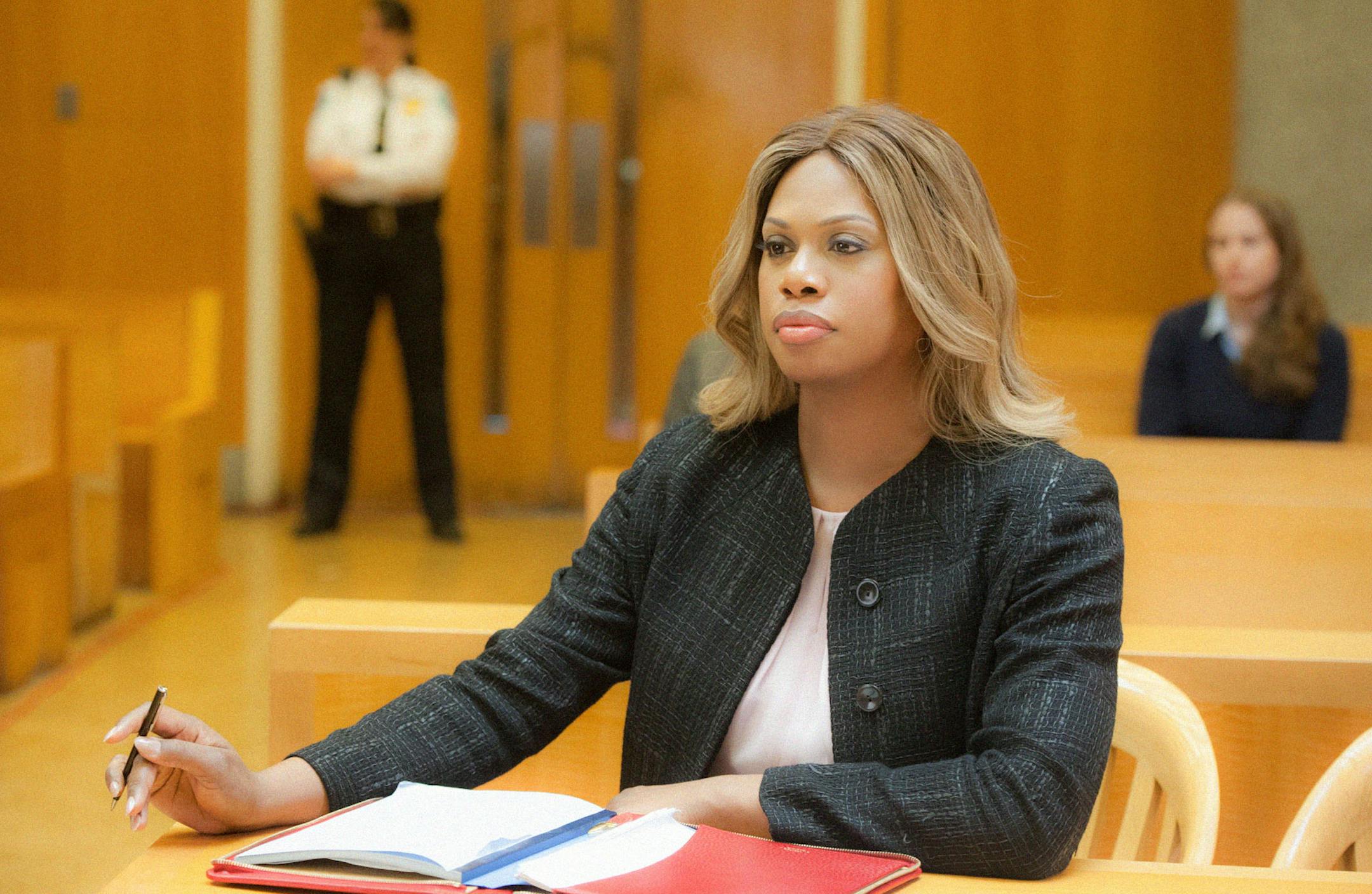
Whether or not the revived version of "Will & Grace" follows through on Messing's mission, the trans community can point to at least some progress on TV. That includes the public support shown for a "Survivor" contestant who was outed as transgender last spring, and the casting of trans model Amiyah Scott on Fox's musical drama "Star." Ryan Murphy's company announced last week that at least five transgender performers will appear in his upcoming series "Pose," about Manhattan society in the 1980s.
But TV still has a long way to go to make up for years of prejudicial representation.
According to the media monitoring organization GLAAD, there were 134 transgender characters depicted on scripted TV show from 2002 to 2014. Most were villains or victims (88 percent), and the most common profession among them was sex worker.
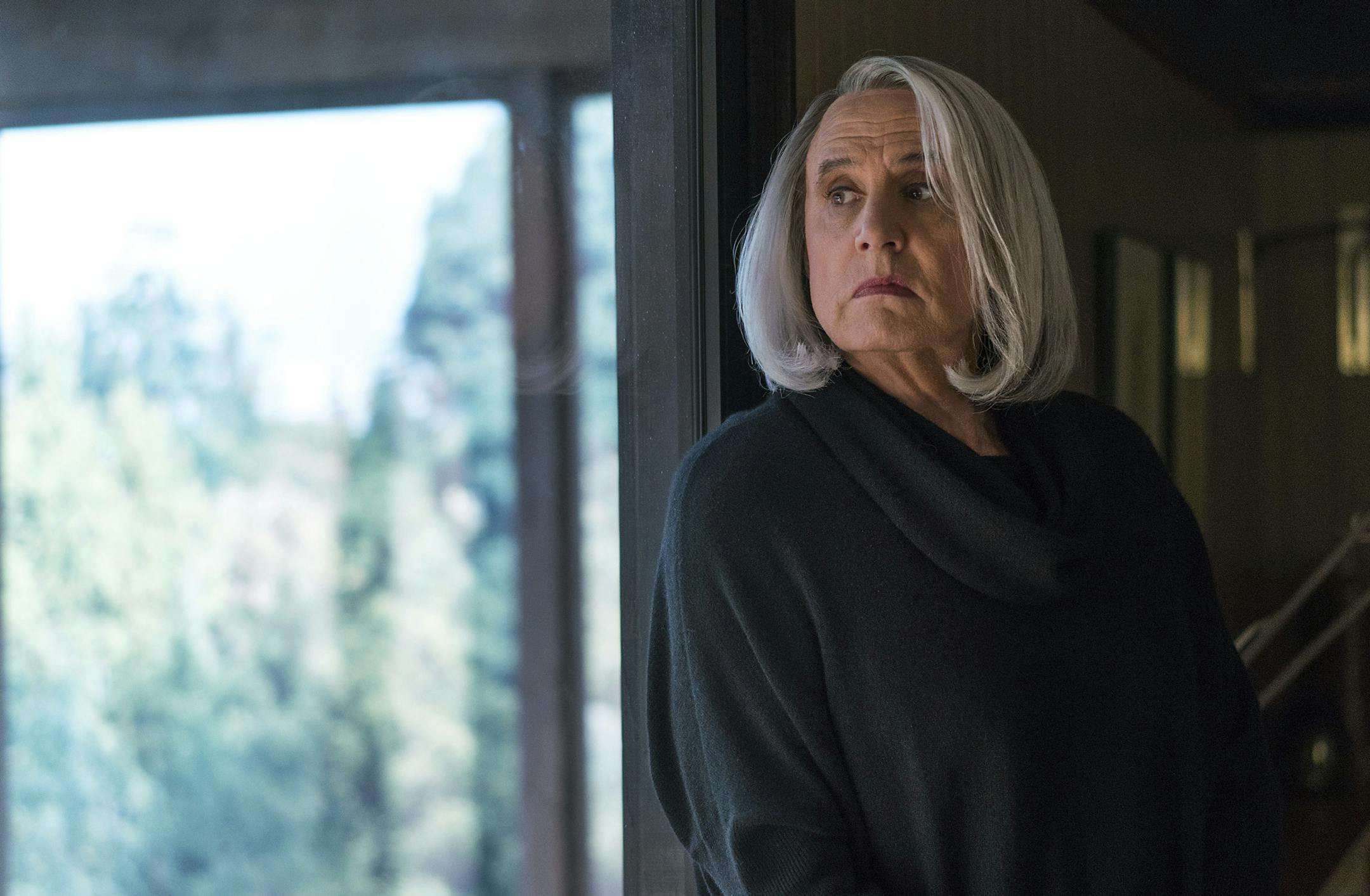
As of August, there were 11 transgender characters on scripted TV compared with 260 who were gay, lesbian or bisexual. And three of those trans roles were from a single series, "Transparent," the Emmy-winning dramatic comedy on Amazon Prime.
"That seems like a huge percentage compared to nothing, but it's estimated that 1.4 million Americans identify as transgender," said Nick Adams, GLAAD's director of transgender media and representation, referring to a 2016 study by the UCLA Law School's Williams Institute. "Eleven characters can't even begin to represent the diversity and complexity of our community. The situation is pretty dire."