

Opinion editor's note: Star Tribune Opinion publishes a mix of national and local commentaries online and in print each day. To contribute, click here.
•••
"Beware the nested game." It is one of the least-known but most useful adages to keep in mind when following international affairs, and it is especially relevant now that Lithuania has announced a blockade of sanctioned Russian goods.
A nested game is what it sounds like — a game within a game. It recognizes that the actors in most real-world settings are not unified and have conflicting motives. The classic example is the failure of a proposed Middle East peace deal because some hard-line faction sponsored a terror attack or an assassination. The agreement was never just the two sides dealing with each other; each side was also dealing with its own internal conflicts.
The nested game theory can help increase understanding of the Russian war against Ukraine, too, and unfortunately it shows that the risk of escalation is increasing. Most assessments of the war measure the relative military strengths of each side. That is surely important — but so are the nested games. Russia and Ukraine are not monolithic. Each country encompasses many diverse interests and opinions, especially if "Ukraine plus its allies" is defined as one side of the conflict.
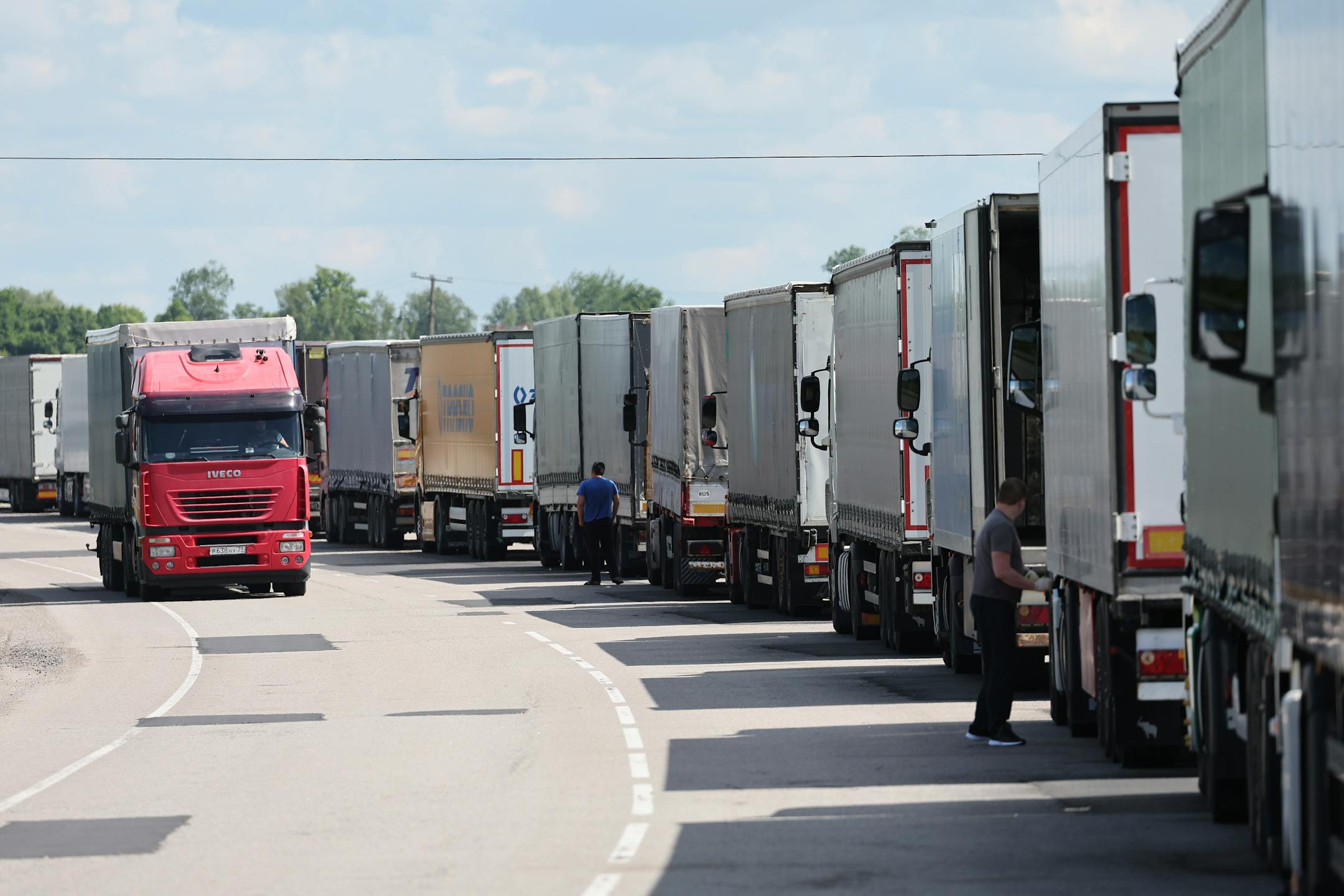
Lithuania has announced that it would block rail shipments of sanctioned goods to the Russian exclave of Kaliningrad, an outpost of Russian territory surrounded by Lithuania, Poland and the Baltic Sea, with no direct land connection to the Russian mainland. Lithuania claims, not incorrectly, that such a blockade follows from E.U. sanctions against Russia.
Still, from Russia's point of view, it may feel like an act of war when a NATO member cuts off part of the connection between Kaliningrad and the mainland. Various Russian officials have threatened escalation and retaliation, while leaving the details vague. Russia also claims this blockade violates previous transport agreements with Lithuania.
If Lithuania had not imposed this blockade when it did, it is not clear the European Union would have forced it to do so (delaying or renegotiating E.U. pledges is hardly unprecedented, especially when preexisting agreements with other countries can be cited). In this sense the blockade was a strategic decision on the part of Lithuania. One view of Lithuania's strategy is that it is forcing or inducing its allies to affirm their support, at a more rather than less favorable moment in the hostilities.


