

Opinion editor's note: Editorials represent the opinions of the Star Tribune Editorial Board, which operates independently from the newsroom.
•••
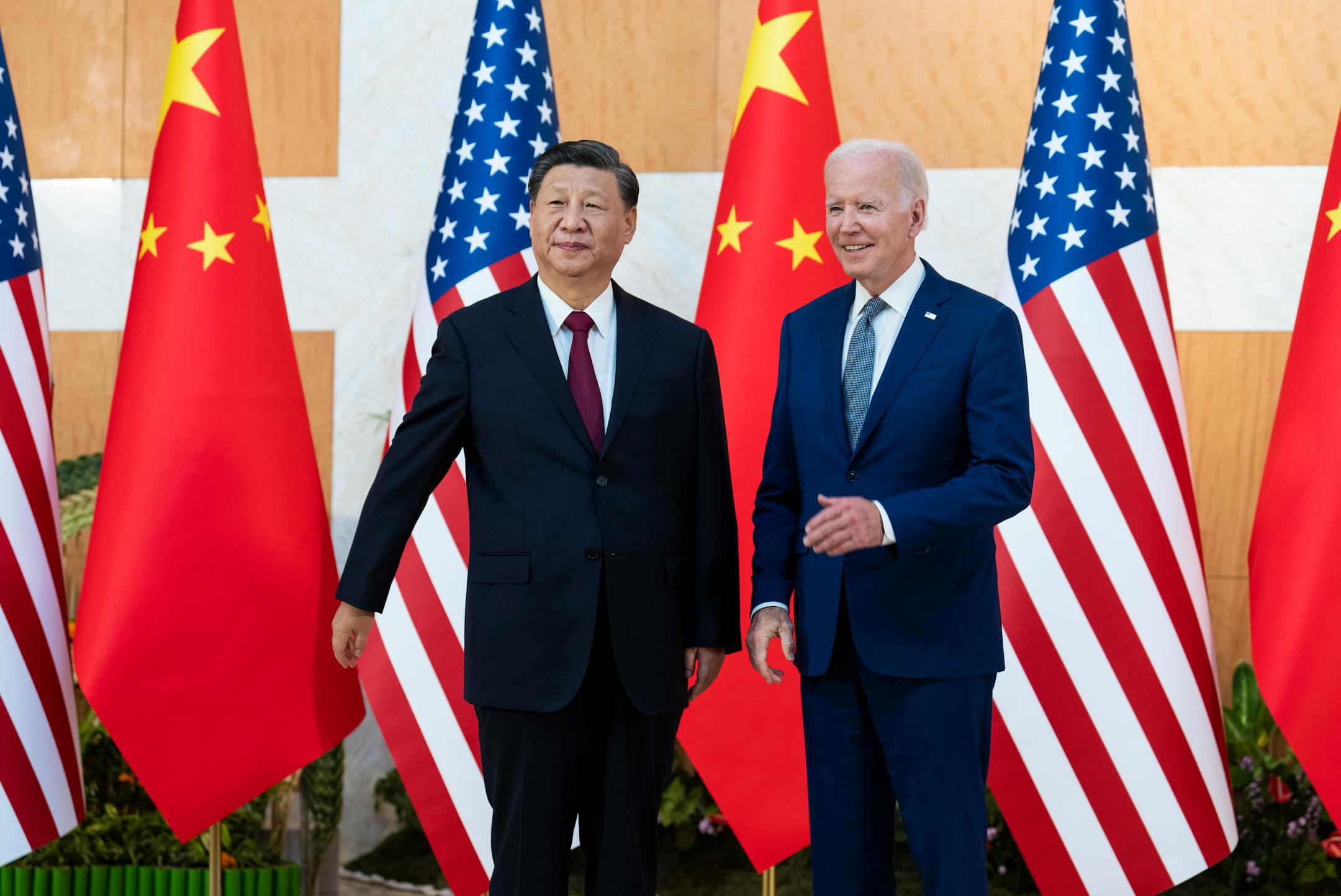
This week's three-hour meeting between the leaders of the world's two most powerful countries was not a "kumbaya" moment, President Joe Biden said. And yet, he added, "I absolutely believe there need not be a new Cold War" with China.
For his part, Chinese President Xi Jinping also looked to stabilize relations despite a deep divide over Taiwan, Russia's brutal invasion of Ukraine, China's horrendous human-rights record, technology transfers and other issues.
"As the leaders of these two great powers, China and the United States, we must play the role setting the direction of the rudder, and we should find the correct approach for developing bilateral relations," Xi said, according to China's official summary of the high-profile presidential discussion that took place amid the G-20 Summit in Bali, Indonesia.
The warmer tone and tamping down of Cold War comparisons should not, however, eclipse the challenges that still threaten the world's most important bilateral relationship. In particular, China's increasingly assertive and even bellicose claims to Taiwan, which Xi characterized as "the core of China's core interests, the foundation of political foundations in the China-U.S. relationship and a red line that cannot be crossed in the China-U.S. relationship."
Xi's red line has been blurred by Biden, who yesterday reaffirmed America's longstanding "One-China" policy and the concept of "strategic ambiguity" over the U.S. response to a potential Chinese invasion of the island despite Biden unambiguously saying four times during his presidency that the U.S. would indeed come to Taiwan's defense under Chinese attack.
Overall, however, the two presidents "showed confidence in each other's ability to manage the increasingly fraught U.S.-China relationship," Ryan Hass, a senior fellow at the Brookings Institution, told an editorial writer in an email interview. "Even as neither leader gave ground or offered any concessions on issues of concern, they both signaled that they were determined to compete without resorting to conflict. They both agree on what needs to be avoided."


