

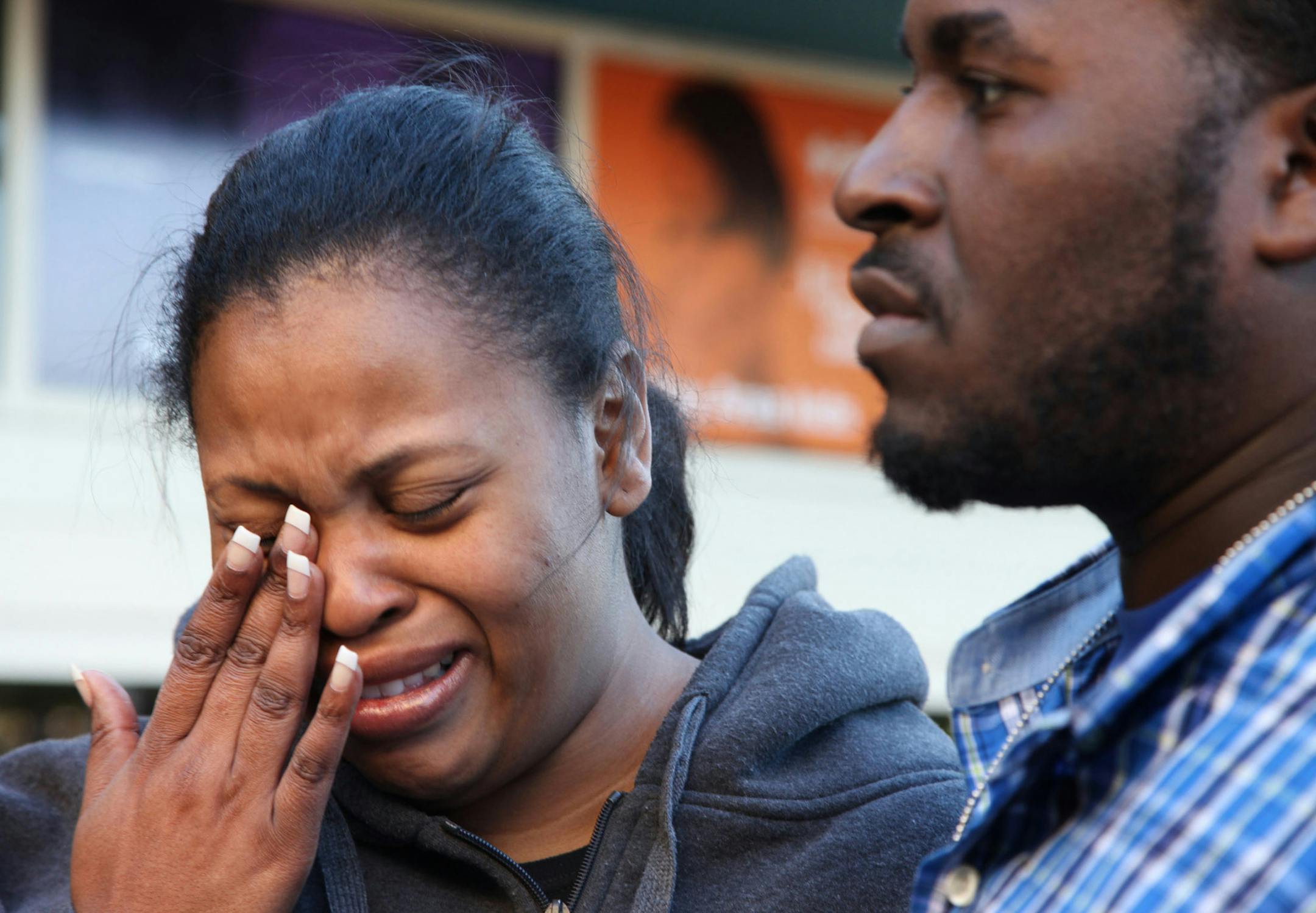
The word "death" brings a whirlwind of emotions for all concerned, from family and friends to health care workers.
Add possible uncertainty to the mix with a term like "brain death," and the situation gets even more confusing for the family.
During such times, the crisper and clearer a health care worker can be, the better. Unfortunately their own uncertainty over such terms adds anxiety to an already emotion-packed situation.
A national discourse continues in the media and academia about this relatively modern situation, but public understanding remains poor.
Recent news reports about a young California girl declared "brain-dead" brings these concerns to the fore. She was brought to a California hospital for routine surgery. What led to her death is unknown to us, but she was declared dead by brain death criteria.
Her family, as expected, went into a state of shock. It would be condescending to say that we can even imagine the anguish this family is experiencing. In this state the family obtained a court order preventing the hospital from taking the patient off machines supporting her breathing until an independent physician could examine her. The independent physician concurred with the hospital physician. The judge accepted the brain-death pronouncement but asked the hospital to keep the deceased on machines.
The handling of this case speaks volumes about the misunderstanding that exists in our society. The need for education of society at large, and especially its professionals, is clear.
Given the relatively infrequent nature of this clinical situation, many residents and other doctors in training will not have participated personally in a brain-death declaration, thus being relegated to getting most of their knowledge from the written word. In most educational programs, there are no adequate teaching sessions dedicated to this important element of modern health care, either. Understanding varies from one health care worker to another.


