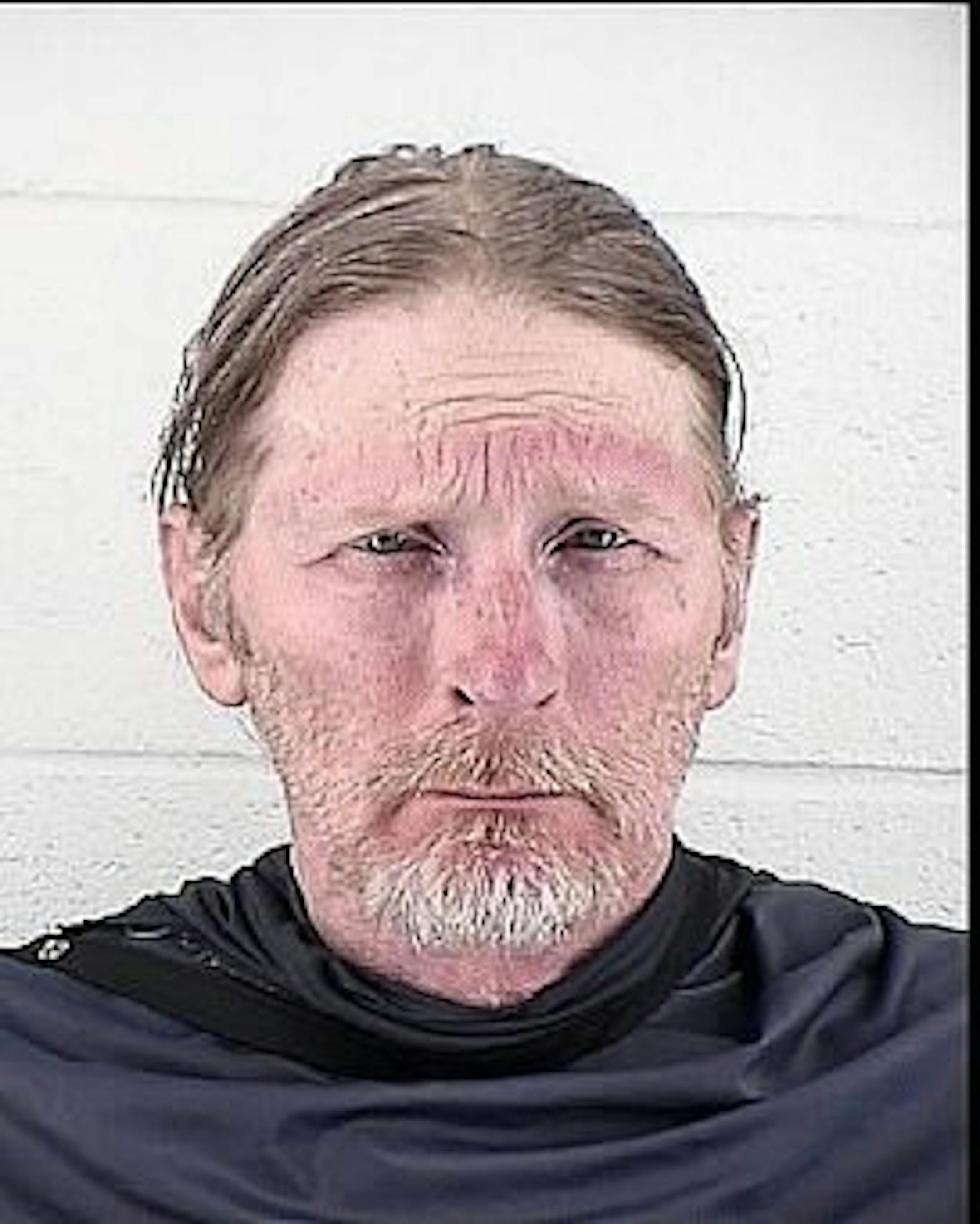
The day Minneapolis detectives plucked Robert William Skogstad out of a small town in Kansas and arrested him for the 1980 murder of a woman in Minneapolis was something of a "CSI" moment, the arrest taking place after DNA science unveiled clues from evidence three decades old.
The oldest cold case in Minneapolis ever revived with an arrest, the charge against Skogstad this month stands as yet another reminder that the technology behind DNA, while common, has continued to improve in accuracy and speed.
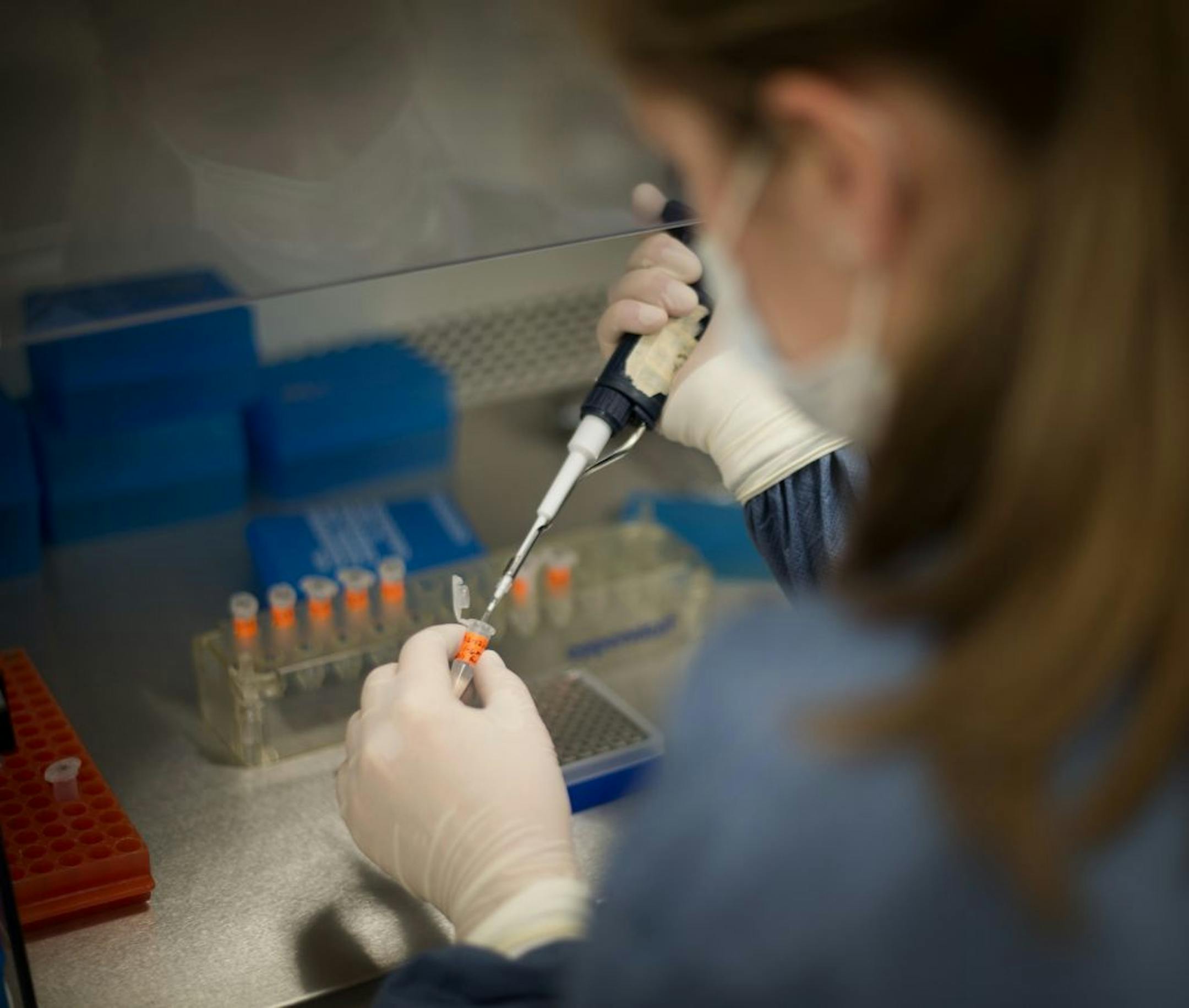
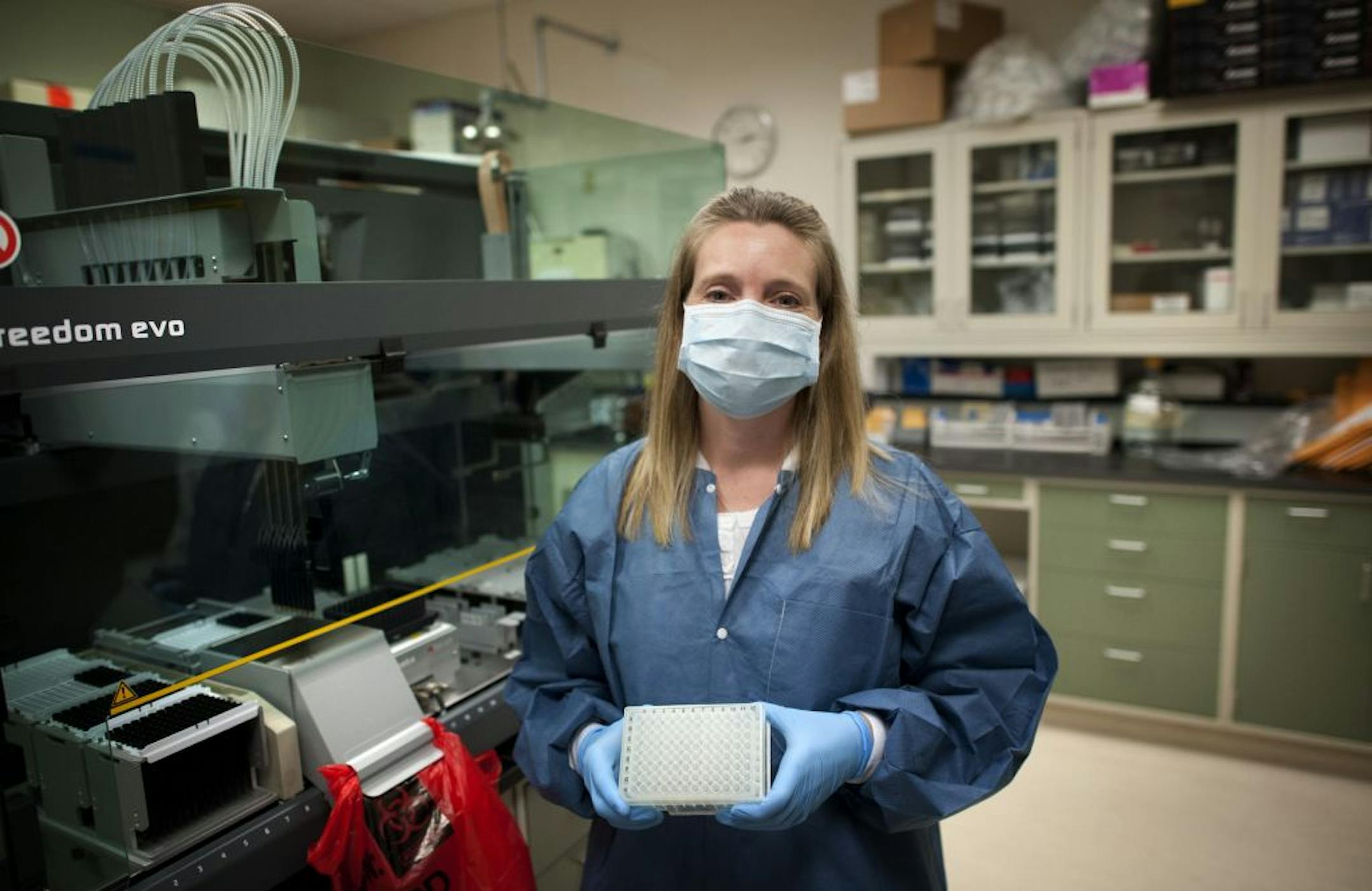
A relatively new "Minifiler" system at the state crime lab has allowed scientists there to use smaller amounts of DNA than previously, and even damaged pieces of DNA, to work up profiles of potential suspects, Bureau of Criminal Apprehension senior special agent Drew Evans said.
"It's much more sensitive, our testing technology, than it was even two years ago," Evans said.
The promise behind that ever-more sophisticated science taking place at the lab is that suspects who have long eluded the law may yet face prosecution.
Under an agreement with the Minneapolis Police Department, four BCA scientists are dedicated to working on Minneapolis cases. The city pays $85,000 per scientist.
Two years ago, the Minneapolis police submitted 524 cases for review. Last year, they offered 544. The cases range from homicides to sexual assaults to robbery to recovered firearms.
Among the more promising areas for new DNA testing is property crime, said Capt. Amelia Huffman, commander of the department's criminal investigations division. It's been one of the fastest-growing areas for the use of DNA, she said.