

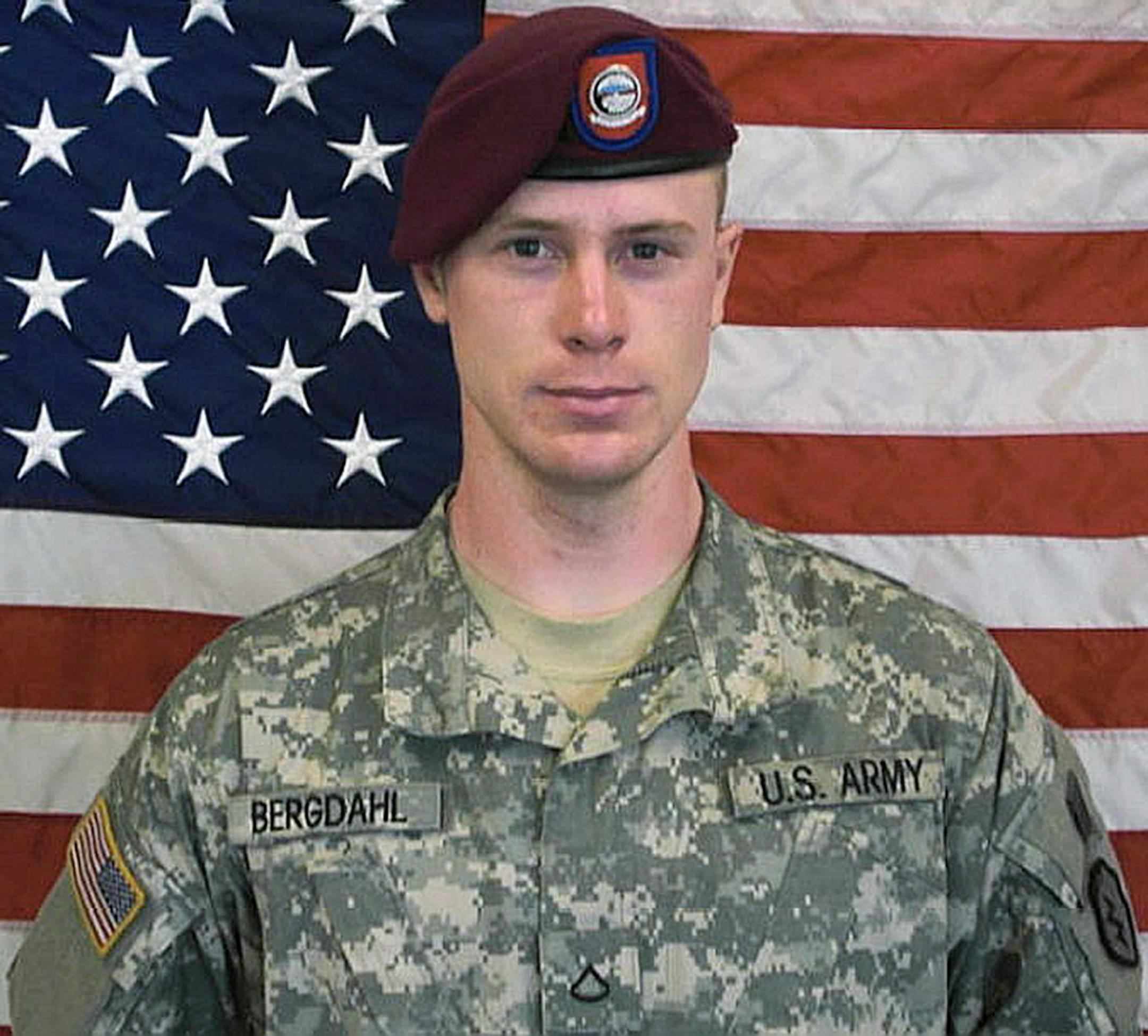
After five years as a prisoner of war, Bowe Bergdahl's freedom is what matters, not the circumstances of his capture.
It's to our nation's disgrace that rather than welcome the young man home from Afghanistan, some have marred this occasion with attacks on Bergdahl's character because it's unclear how he fell into enemy hands.
Even worse are those in Washington, D.C., who are using Bergdahl's release to score election-year points by attempting to paint the Obama administration as soft on terrorism. Their rationale? That the administration negotiated with the Taliban for Bergdahl's release or that it didn't get enough in return for moving five Taliban members from Guantanamo Bay to Qatar for monitoring by that nation's government.
Sorry, we must have missed the asterisk tacked onto those "support our troops" bumper stickers. From the uproar over Bergdahl's release after five years of captivity, it looks as if that support was only for those serving who never made a mistake on the front lines.
And if there isn't national consensus on the right ratio of enemy prisoners to one American soldier? Or if the approval process was expedited for an American soldier's release? Tough luck.
To be sure, it's unclear how Bergdahl went missing in June 2009 shortly after he was deployed in eastern Afghanistan. There have long been lingering questions about whether the Idaho native walked off on his own after becoming disillusioned with the U.S. mission.
We haven't heard yet from Bergdahl about what happened. And while the Pentagon concluded in 2010 that he walked off, the bureaucracy's self-serving coverup in the death of Pat Tillman, the NFL player killed in Afghanistan, continues to leave its credibility in question.
It's understandable that some of Bergdahl's former comrades feel betrayed because they believe he left his post; the rescue mission put other Americans in harm's way. But even if Bergdahl did leave on his own, it wouldn't justify abandoning him to his fate. No one knows how he or she will react to combat stress. While most cope, not all do. Some soldiers commit suicide. And then there are horrifying cases like that of Staff Sgt. Robert Bales, who killed 16 civilians in Kandahar in 2012.


