Dig, scoop, dump, remove: All over town the construction teams are opening up the ground for new projects. What happens when they find buried treasure?
Note: They never do.
There's no pirate booty hidden below the parking lots of Minneapolis and St. Paul. But for urban archaeologists, the people who sift through history's flotsam for clues to our past, there's treasure just the same.
Start with the river, where the city began. Surely that's a trove of buried stuff?
"We want castles and temples, but we don't have them," said former State Archaeologist Scott Anfinson. "We have flour mills, but it's pretty unsatisfying. You know what it is and you don't learn much about the workers. They don't leave much behind from their lunchboxes."
Surprisingly, it's the old neighborhoods that offer more clues to the past. Especially neighborhoods that became industrial areas or commercial districts that were abandoned and eventually turned into parking lots.
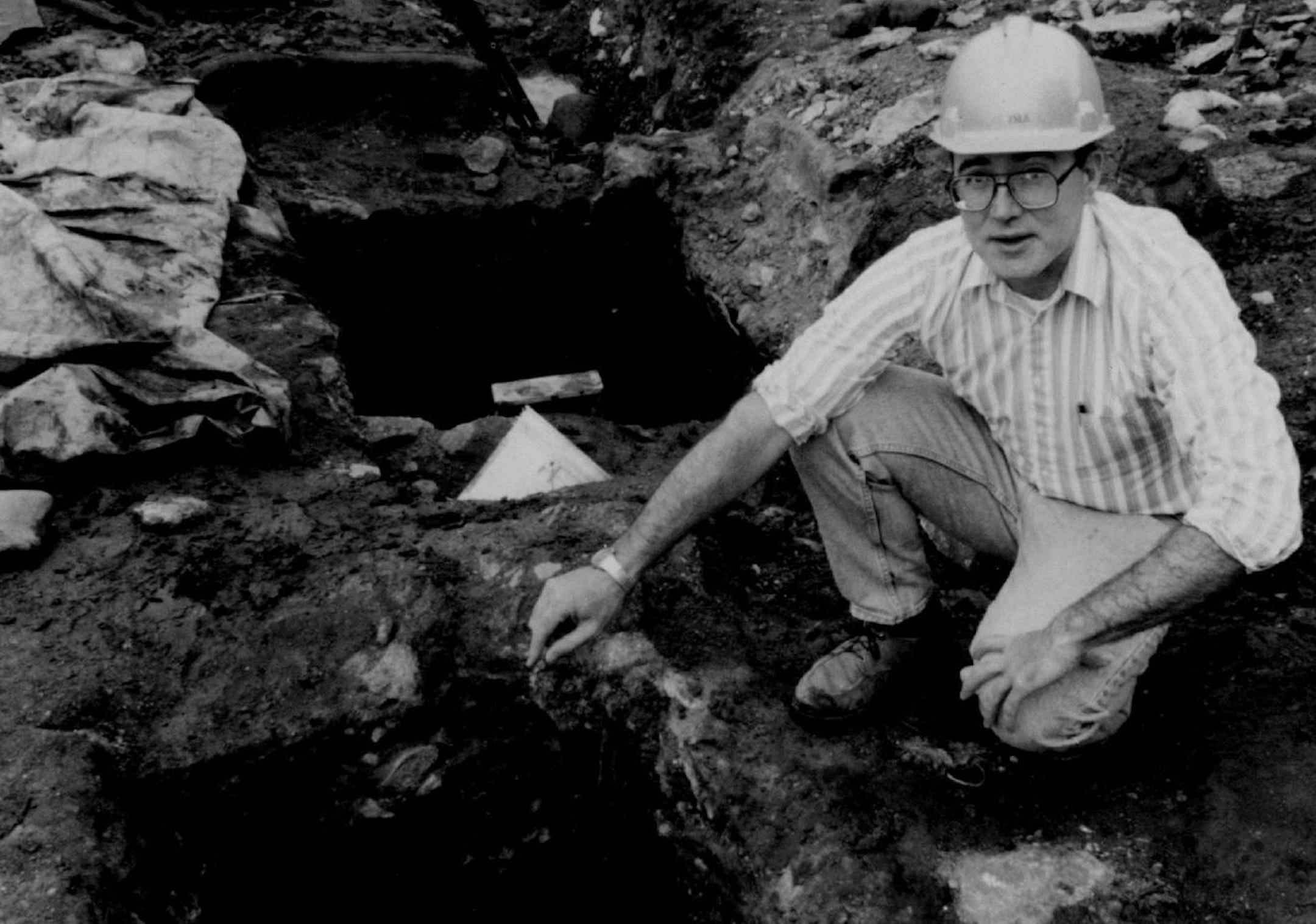
Take the old Berman Buckskin warehouse at Hennepin and Washington avenues. It was the heart of a young downtown in the latter 19th century, with a city market and a train station. When the area was excavated for the Federal Reserve building in 1994, they uncovered an urban archaeologist's dream:
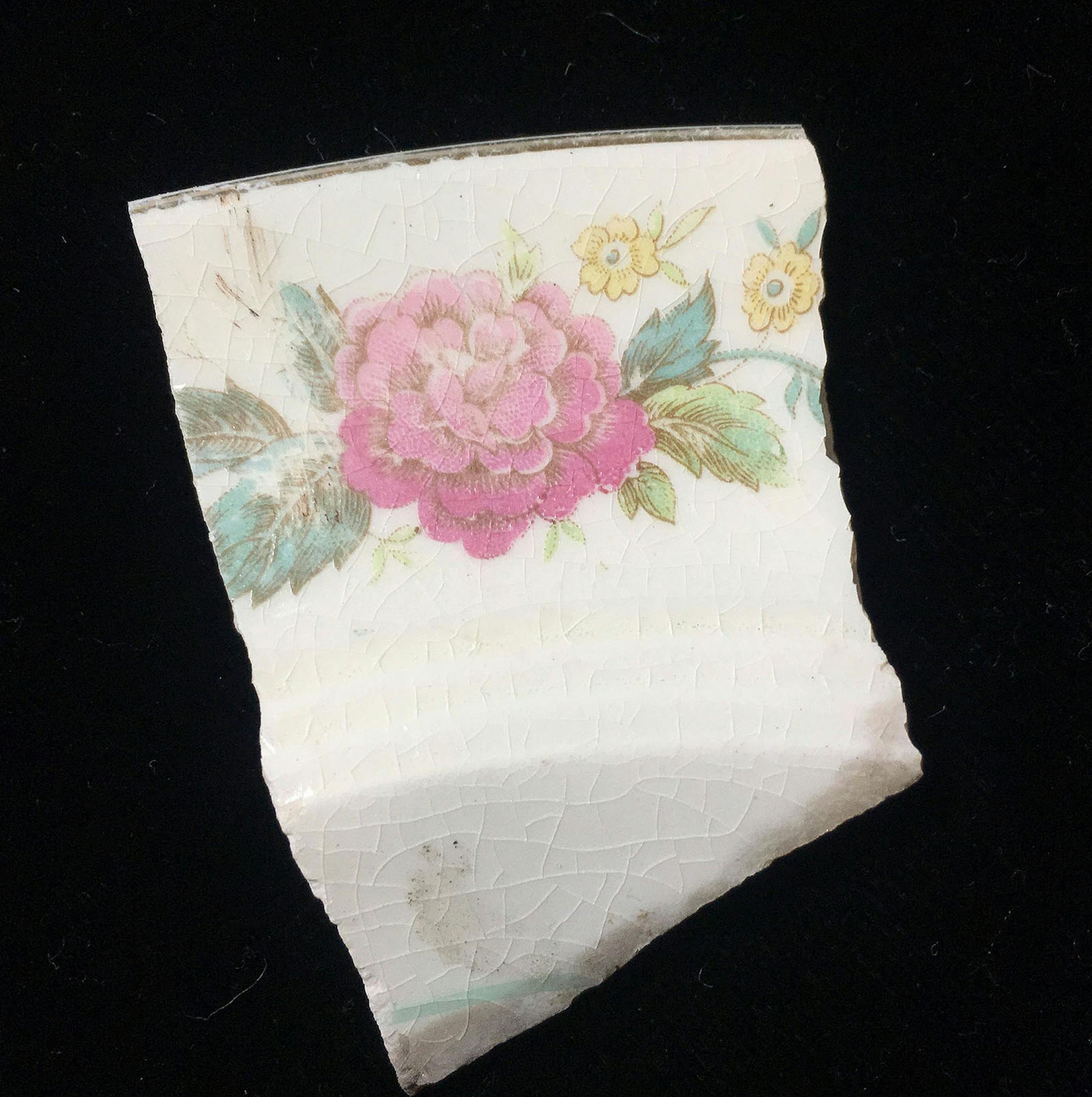
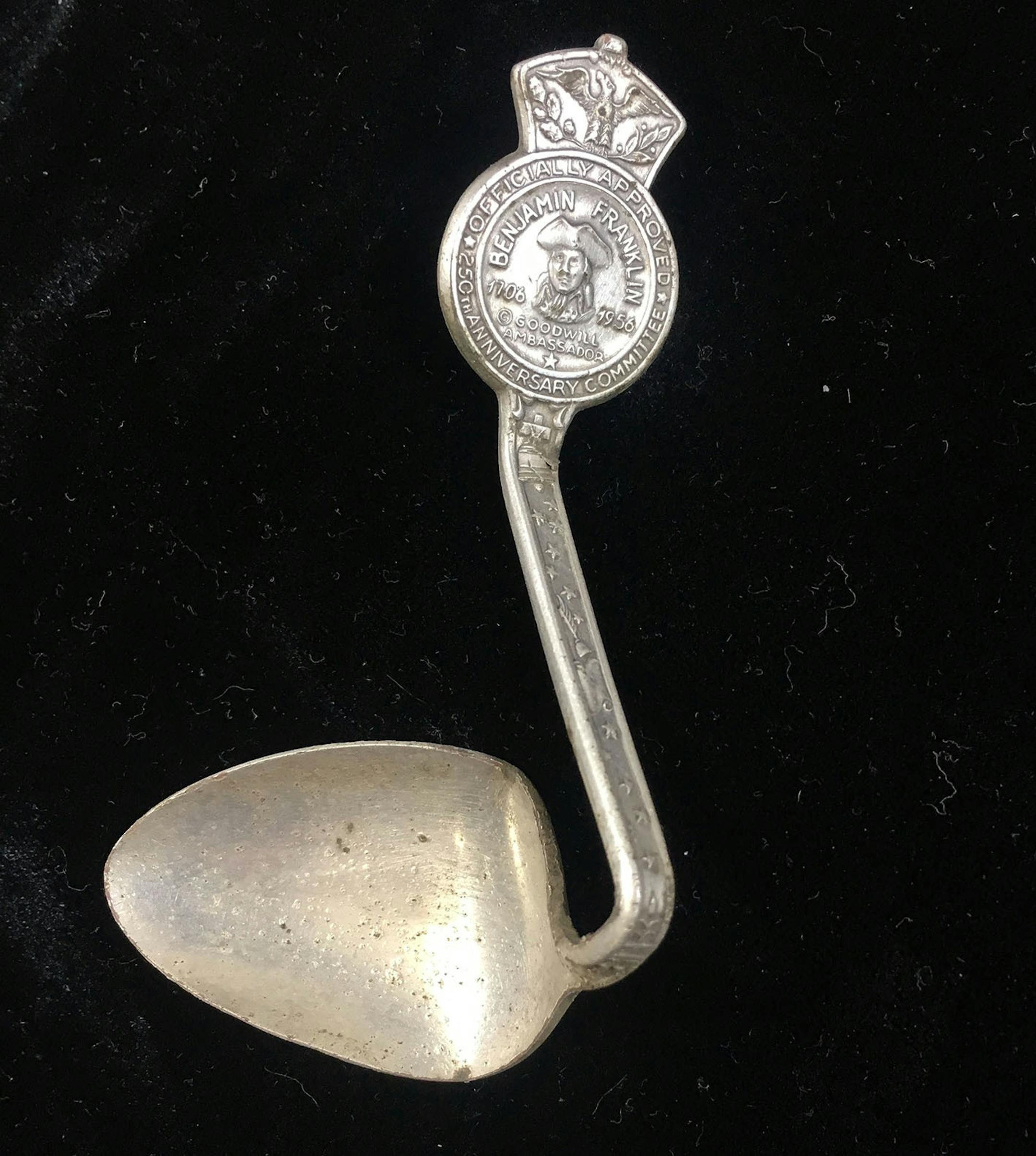
Toilets. Old places of low repute are often rich with objects, because people threw things — lots of things, like entire coffee service sets, keys, toothache medicine flasks — down the privy hole.