

A few years ago, Gene Seipp and his wife, MaryLou, journeyed from Tomahawk, Wis., to Sherburne County on a whim, to track down the farmhouse where he had lived as a young boy.
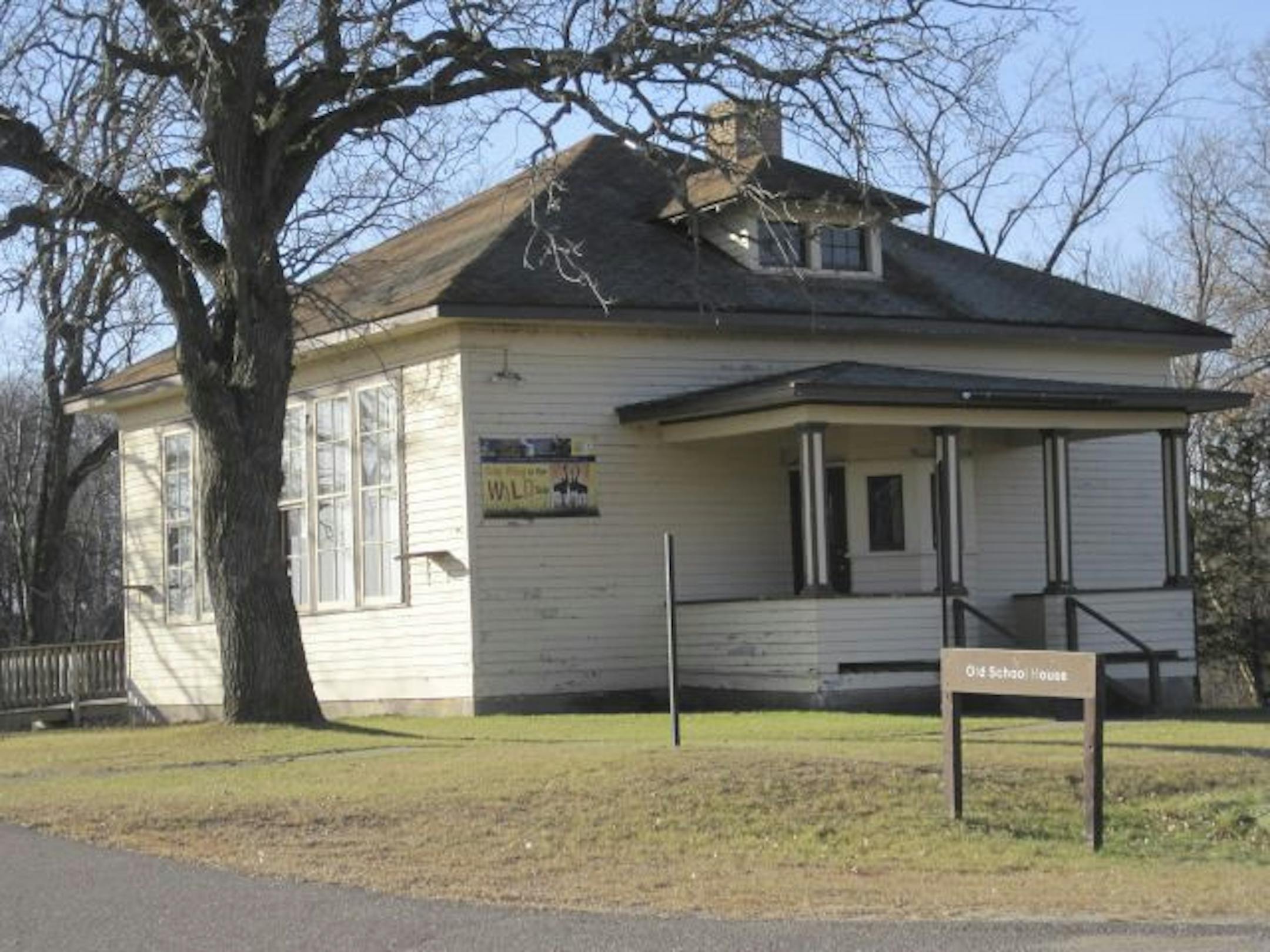
The farmstead was long gone, the land now part of the 30,700-acre Sherburne National Wildlife Refuge. But still standing, to Seipp's delight, was the one-room schoolhouse he had attended in the 1940s.
"The school caught my eye right away even though it was repainted," he said. "When I saw it, it choked me up."
Besides homework, Seipp, 71, remembers performing in Christmas shows, playing ball and doing chores. Occasionally, he and friends would sneak off to the nearby St. Francis River to gobble down their lunch. Once, the boys let loose a garter snake in the classroom. "The teacher never figured out who did it," he said with a laugh.
For the past several decades, the vanilla-colored building served as a visitor services center at the refuge, with countless meetings, classes and recreational activities happening there. But last month, the U.S. Fish and Wildlife Service condemned the site because of mold and other problems. Now it is closed.
The original building dates to the late 1800s. It burned in the early 1900s and was rebuilt. After its school days ended in the early '50s, it became a residence and then the visitors center.
Whenever people hear the quaint structure's back-story, they want to try to save it, but it's "fiscally impractical," said refuge manager Anne Sittauer.
In recent years conditions went from bad to worse. The roof is caving in, there's the mold problem, and more than 200 bats have holed up in the attic, Sittauer said. The septic system broke down some time ago. The refuge put up with it for a long time, but an inspector finally came through and "said it shouldn't be used anymore," she said.


