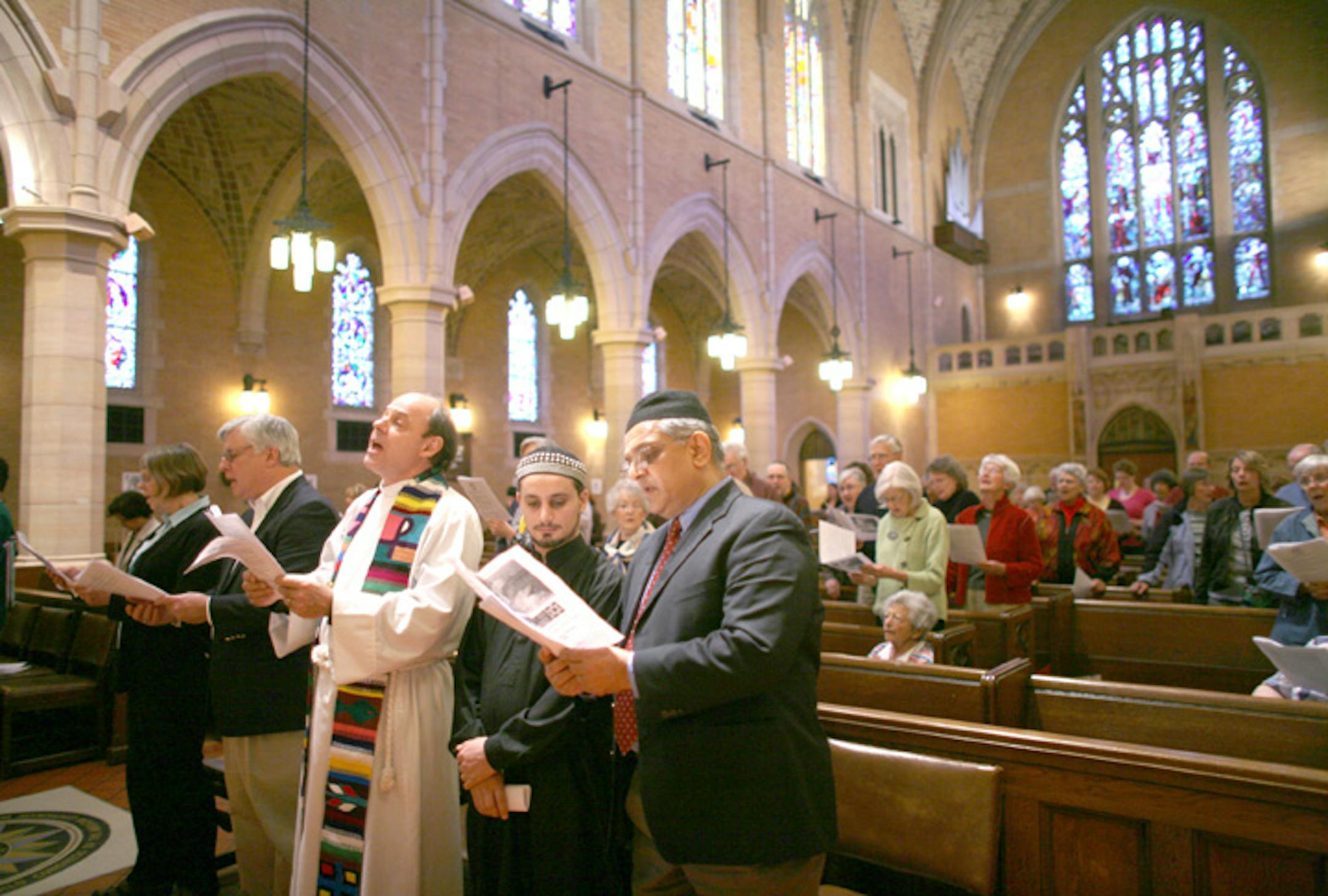
Emily Derke looked surprised when she was asked why she was attending church on Earth Day. In her mind, the question was not "why" but "why not?"
"I see Earth Day as a spiritual thing," said Derke, who drove from her home in Coon Rapids to St. Mark's Episcopal Cathedral in downtown Minneapolis for an interfaith celebration. "God made the Earth, and now it's up to us to protect it. Everybody here [at the service] is here for the same purpose. It's all about the Earth."
Indeed, the faith community has become one of the major players in environmental issues. Coming from the standpoint of morals, religious groups are able to address green issues from a different perspective than the political or socioeconomic juggernaut.
The religious world "brings a sense of responsibility" to the ecological debate, said Ricky Nolan of Minneapolis, who also attended the service.
It's a movement that is growing by leaps and bounds that transcend denominational distinctions. Protecting the environment "truly has become a bridge issue," said the Rev. Mark Peterson, executive director of the Lutheran Coalition for Public Policy. "There might be minor differences of opinion over details, but everyone agrees on the main issues."
For proof of that unity, one need look no farther than the St. Mark's service, which included prayers by Christians, Hindus, Muslims, Buddhists and American Indians. (A rabbi had to cancel because of a death in the family.)
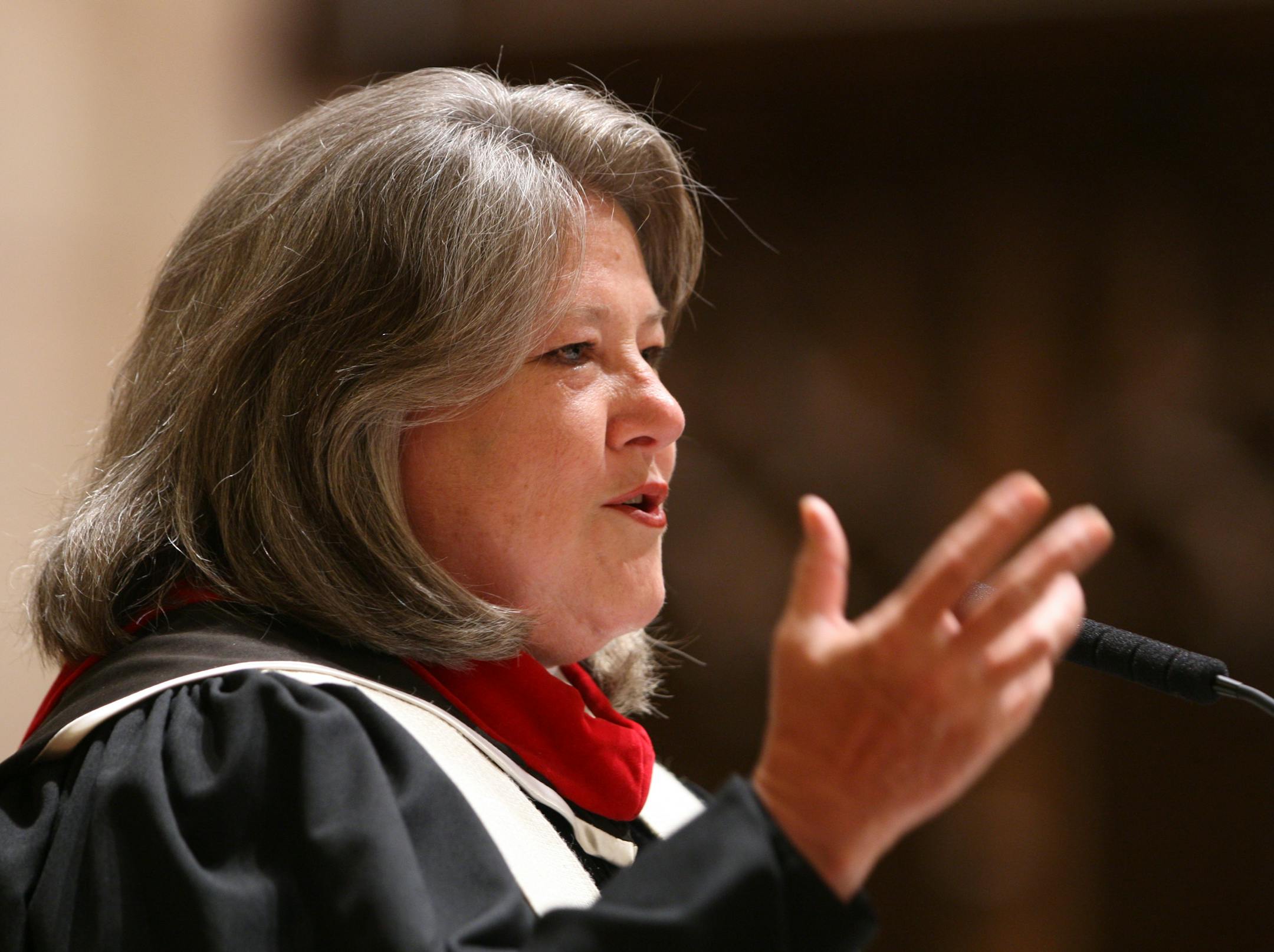
"The act of faith for this age is to love the whole Earth," said the keynote speaker, the Rev. Peg Chemberlin, executive director of the Minnesota Council of Churches and president-elect of the National Council of Churches.
It hasn't always been that way. In 1991 the Evangelical Lutheran Church in America sent Peterson out to talk to member churches about the environment. A dozen people would show up, and "we'd talk about turning off the lights when you left the room," he said. "That was about as sophisticated as it got."