
Advertisement

Being gay is illegal in many countries. LGBTQ travelers are going anyway.

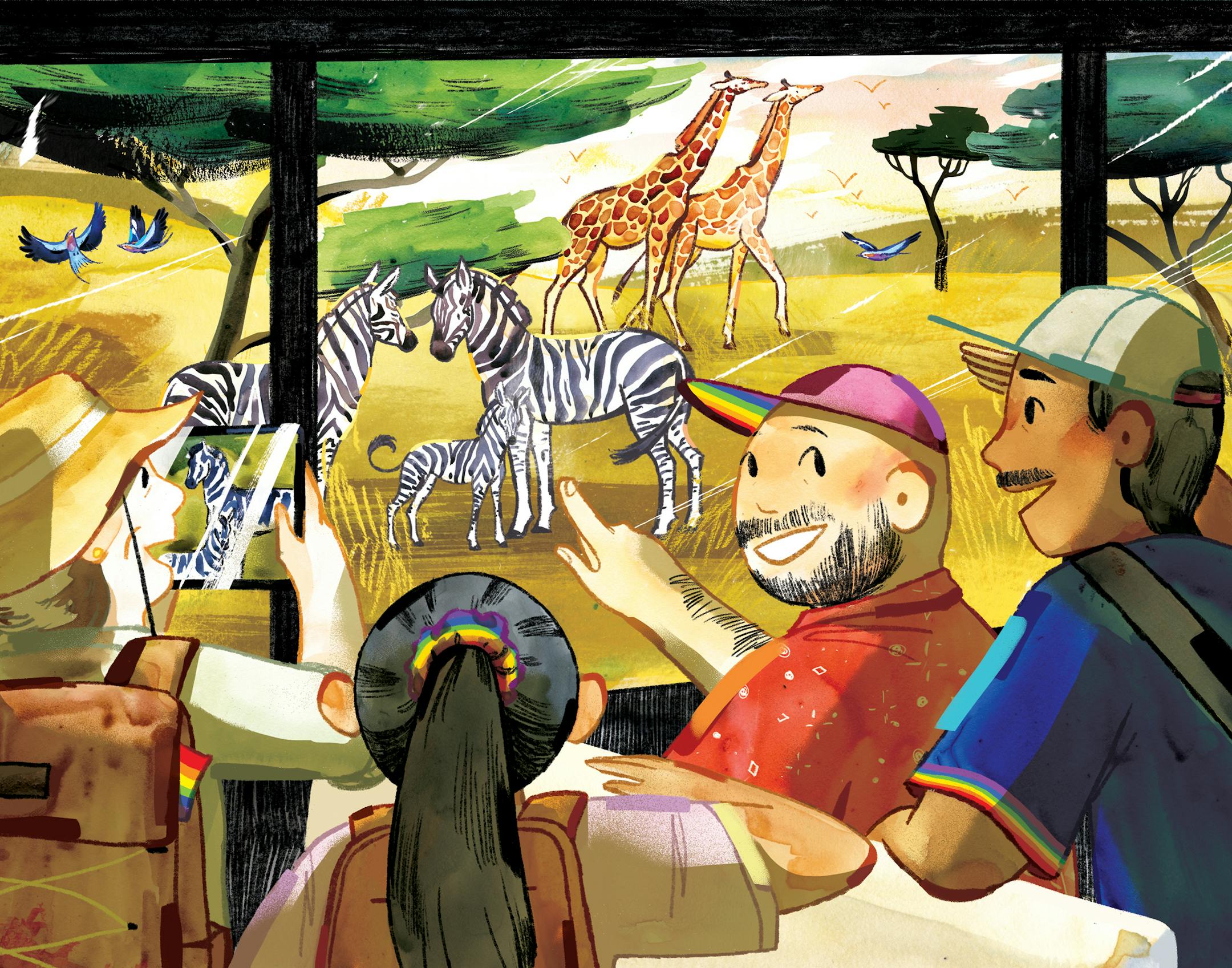
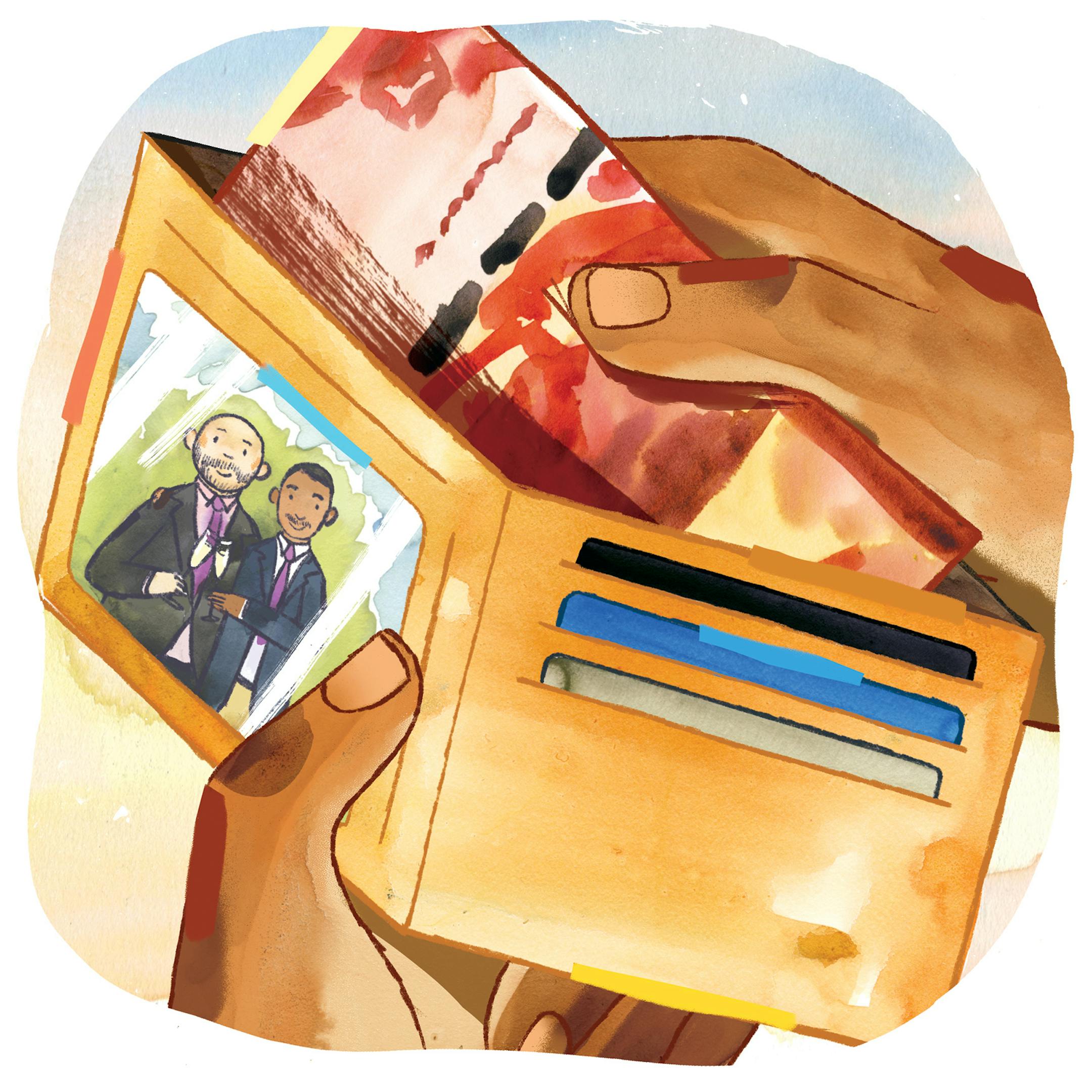
Tropical reefs, safaris, the pyramids: LGBTQ travel companies deliver dream vacations, even to places where being out and proud could land you in prison.

The New York Times
June 23, 2023 at 12:50PM
Tropical reefs, safaris, the pyramids: LGBTQ travel companies deliver dream vacations, even to places where being out and proud could land you in prison. (Lynn Scurfield/The New York Times) ' FOR EDITORIAL USE ONLY WITH NYT STORY SLUGGED LGBTQ TRAVEL BY AINARA TIEFENTH'LER FOR JUNE 6, 2023. ALL OTHER USE PROHIBITED. '
(Lynn Scurfield/New York Times/The Minnesota Star Tribune)
Advertisement

A romantic island getaway in the Maldives. A safari in Kenya. A visit to the pyramids in Egypt.

These bucket-list vacations have one thing in common: Their destinations have strict anti-LGBTQ legislation. In the Maldives, gay sex may be punished with lashes and up to eight years in prison. In Kenya, it can bring a sentence of up to 14 years. And in Egypt, the authorities are known to throw people in jail for simply waving a rainbow flag.

Paradoxically, these trips are also all offered by travel companies founded by and catering to members of the LGBTQ community. The founders of four of these companies said they were providing a safe way to meet a growing demand for trips to countries that criminalize LGBTQ people.

"I'm gay and I want to visit these places," said Darren Burn, the founder of Out of Office. "And if I want to visit these places, then there are other gay people who do, too. So if we can enable them to do it in a fun, exciting and safe way, then that's exactly what we're here for."

Even so, being out and getting out can be at odds in a world where many places are hostile — and sometimes outright dangerous.

"There is no place on Earth where you can be 100% safe while being LGBTQ, at least while expressing it," said Lucas Ramón Mendos, a lawyer at ILGA World, an LGBTQ human rights group. "What we can say for certain is that where there is a legal framework that strictly, explicitly criminalizes certain expressions, the likelihood of getting into trouble is a lot higher."

According to ILGA World, more than 60 countries still criminalize consensual same-sex relations. Uganda notably just enacted a law calling for life in prison for anyone convicted of having gay sex, and in some cases even death.

Scratching those countries off the list shrinks the globe dramatically. And that's not even taking into account countries like China and Russia that target LGBTQ people indirectly, by censoring speech, for example.
Advertisement

Yet LGBTQ travel companies frequently visit such places.

"I've never had an issue. I haven't heard of anyone having issues," said Bryan Herb, co-founder of Zoom Vacations, which operates small tours in countries such as Kenya, the Maldives and Morocco. "There's no there there."

"The laws that criminalize LGBTQ status or conduct around the world are more often than not used to target and punish people from the country in question," said Jessica Stern, the U.S. special envoy to advance the human rights of LGBTQI+ persons. "That's not to say that LGBTQ Americans and their families aren't at risk when they travel, but we are not the primary targets of those laws."

None of the four travel company founders reported any clients who'd had legal run-ins, though some mentioned minor brushes with locals. Their clientele tends to be older and male, with transgender travelers a rarity.

Safety concerns can be especially daunting for transgender people headed abroad. "I have recently had a flight canceled and they were rerouting me through a very hostile country for LGBTQ folks, and I was going to be laid over there for nine hours," said Jay Brown, a senior executive for the Human Rights Campaign, who is transgender. "If I had a health care emergency in that country, I don't know what would happen to me," he said.

Brown ended up taking three trains and three flights in 26 hours to avoid the layover. "I ran from gate to gate at every airport, and ran from train to train," he said. "My bag, of course, was not at my destination."

Advertisement

Pink money in a gray zone

Many countries may just depend on the influx of tourist dollars so much that they're willing to give tourists — whether straight or gay — special treatment.

Tourism is a top contributor to Kenya's economy and accounts for more than half a million jobs in Morocco. Hospitality also drives the economy in the Maldives, where three local men recently received prison sentences for having homosexual relations.

"In every country on Earth, the law doesn't necessarily match the reality," said Burn, whose company offers package deals for symbolic same-sex marriages and honeymoons in the Maldives. "You know, it's illegal to drink alcohol in the Maldives, but you go to every resort and you can drink alcohol."

It's in that gray zone that LGBTQ travel companies operate. Yet when they're lining up suppliers and hiring local workers, they are anything but ambiguous.

Robert Driscoll, who runs the small-tour operator Venture Out, said that to avoid unpleasant surprises, it was important to be "clear with suppliers about what the nature of the group is and making sure that they're OK with it."

He said that years ago, when he first started taking gay Americans abroad, it wasn't uncommon for his inquiries to suppliers to go unanswered. Now, he receives emails daily courting his business, some from unexpected places.

Advertisement

"We would love the opportunity to work with your organization to create tailored itineraries for your LGBTQ+ travelers in Tanzania," read a recent email he received from a small safari operator.

Weighing the risks and ethics

Angela Kerwin, a senior official at the Bureau of Consular Affairs, said travelers should read the State Department's yearly human rights report, which includes detailed information on the situation of LGBTQ rights for each country.

"Never can you cover every eventuality," she said. "But if you're informed, then you can make a decision as to whether or not you actually want to travel to that country."

"Any legal and safety information we provide to clients before they pay us a deposit," said Robert Sharp, a co-founder of Out Adventures. "It is our moral and legal obligation to allow them to decide if it is right for them."

All travel companies surveyed for this article strongly recommend that clients take out travel insurance, and some even require it. Out of Office and Out Adventures also offer 24-hour hot lines to respond to clients' questions and emergencies.

Yet travel companies are not legal firms, and they say that the best they can do is give travelers enough information to make an informed decision. Out Adventures clearly states the laws and limitations of each destination on its website. When traveling to Tanzania, for example, clients are advised to practice discretion since "even heterosexual PDAs are frowned upon," referring to public displays of affection.

Advertisement

The page for Out Adventures' tour to Egypt, including a Nile River cruise and snorkeling in the Red Sea starting at $5,495 per traveler, explains that "gay dating apps should be avoided" and discourages clients from trying to participate in the "underground gay scene" of the larger cities.

Calling for travelers to boycott a country could have unexpected adverse outcomes, Mendos and others cautioned.

While the impulse often stems from a desire to help, Stern said, pushing for this kind of action without making sure LGBTQ rights groups in the country stand behind it could lead to a backlash against local LGBTQ people and "do more harm than good."

Choosing to visit, on the other hand, may still have a positive impact on LGBTQ people's lives, at least indirectly.

"The travel industry in country after country is often one of the places where LGBTQ people seek out jobs and find employment because there is heightened tolerance," Stern said.

Tropical reefs, safaris, the pyramids: LGBTQ travel companies deliver dream vacations, even to places where being out and proud could land you in prison. (Lynn Scurfield/The New York Times) ' FOR EDITORIAL USE ONLY WITH NYT STORY SLUGGED LGBTQ TRAVEL BY AINARA TIEFENTH'LER FOR JUNE 6, 2023. ALL OTHER USE PROHIBITED. '
(Lynn Scurfield/New York Times/The Minnesota Star Tribune)
about the writer

about the writer

Ainara Tiefenthäler

Advertisement