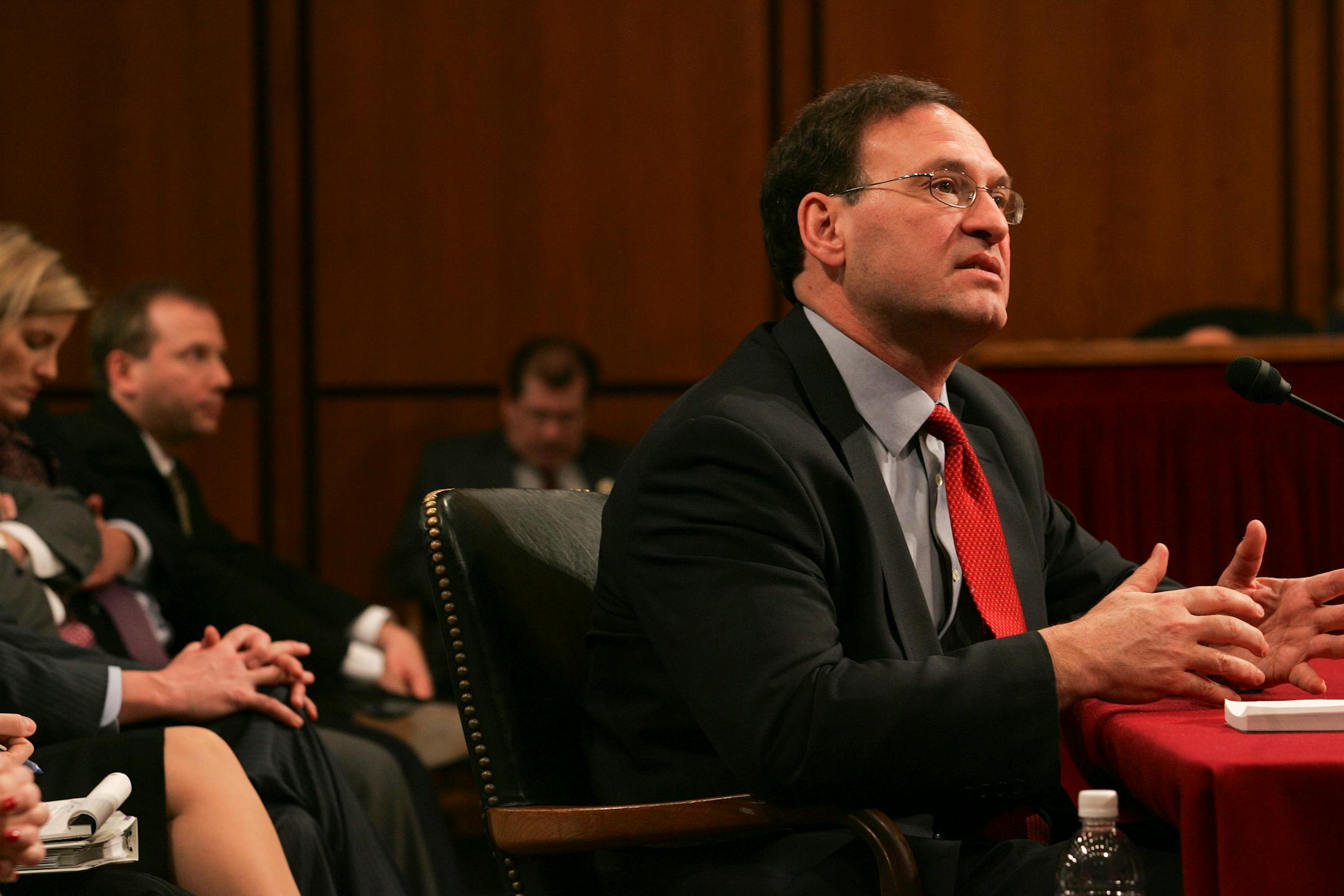
On Feb. 10 last year, Justice Samuel Alito showed his eight colleagues how he intended to uproot the constitutional right to abortion.
At 11:16 a.m., his clerk circulated a 98-page draft opinion in Dobbs v. Jackson Women's Health Organization. After a justice shares an opinion inside the court, other members scrutinize it. Those in the majority can request revisions, sometimes as the price of their votes, sweating sentences or even words.
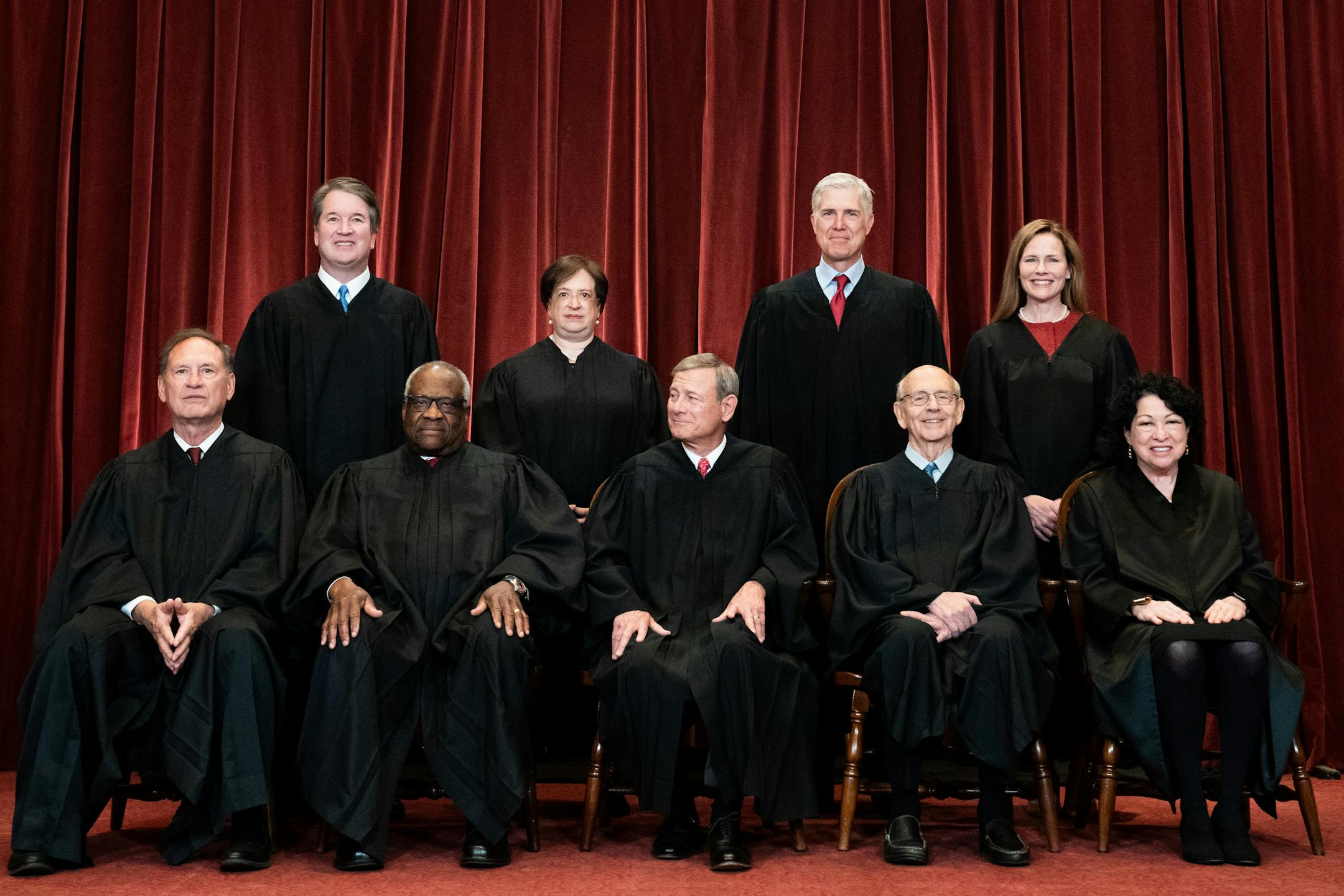
But this time, despite the document's length, Justice Neil Gorsuch wrote back just 10 minutes later to say that he would sign on to the opinion and had no changes, according to two people who reviewed the messages. The next morning, Justice Clarence Thomas added his name, then Justice Amy Coney Barrett, and days later, Justice Brett Kavanaugh. None requested a single alteration. The responses looked like a display of conservative force and discipline.
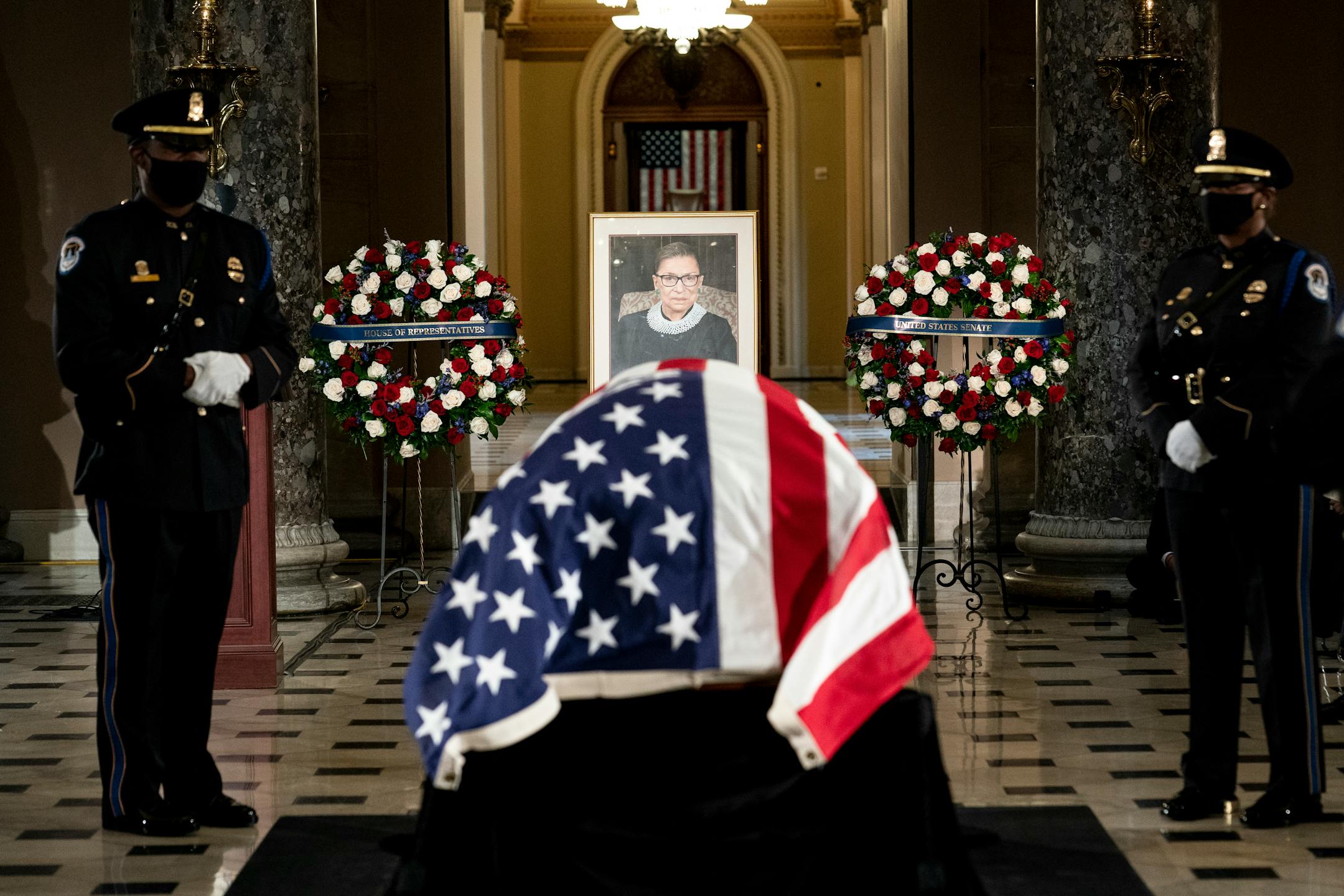
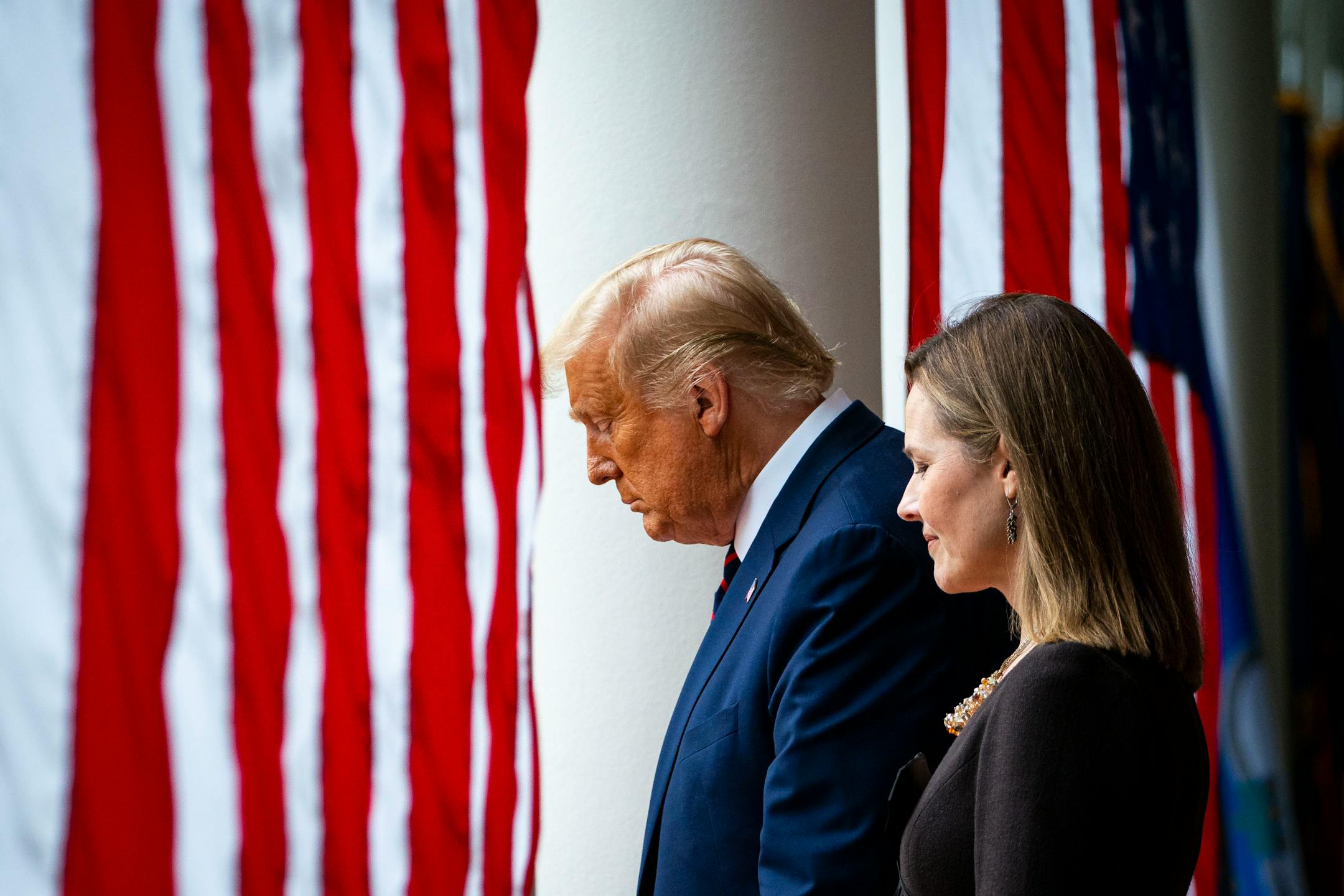
In the months since, that draft turned into a leak, then law, then the rare Supreme Court decision that affects the entire country, reshaping elections, the practice of medicine and a fundamental aspect of being female. The story of how this happened has seemed obvious: The constitutional right to abortion effectively died with Justice Ruth Bader Ginsburg, whom President Donald Trump replaced with Barrett, a favorite of the anti-abortion movement.
But that version is far from complete. Barrett, selected to clinch the court's conservative supermajority and deliver the nearly 50-year goal of the religious right, opposed even taking up the case. When the jurists were debating Mississippi's request to hear it, she first voted in favor — but later switched to a no, according to several court insiders and a written tally. Four male justices, a minority of the court, chose to move ahead anyway, with Kavanaugh providing the final vote.
Those dynamics help explain why the responses stacked up so speedily to the draft opinion in February 2022: Alito appeared to have pregamed it among some of the conservative justices, out of view from other colleagues, to safeguard a coalition more fragile than it looked.
The Supreme Court deliberates in secret, and those who speak can be cast out of the fold. To piece together the hidden narrative of how the court, guided by Alito, engineered a titanic shift in the law, the New York Times drew on internal documents, contemporaneous notes and interviews with more than a dozen people from the court — both conservative and liberal — who had real-time knowledge of the proceedings. Because of the institution's insistence on confidentiality, they spoke on the condition of anonymity.
At every stage of the Dobbs litigation, Alito faced impediments: a case that initially looked inauspicious, reservations by two conservative justices and efforts by colleagues to pull off a compromise. Chief Justice John Roberts, a conservative, along with the liberal Justice Stephen Breyer, worked to prevent or at least limit the outcome. Breyer even considered trying to save Roe v. Wade — the 1973 ruling that established the right to abortion — by significantly eroding it.