I've killed a lot of plants in my time. The list is long and includes garden aristocrats like delphinium and lupines but also tough customers like yarrow, penstemon and hardy rock-garden plants that would seem to grow almost anywhere.
The longer I gardened, the more I saw a pattern. After briefly thriving, the plants shrank, and by Year 3 had vanished entirely.
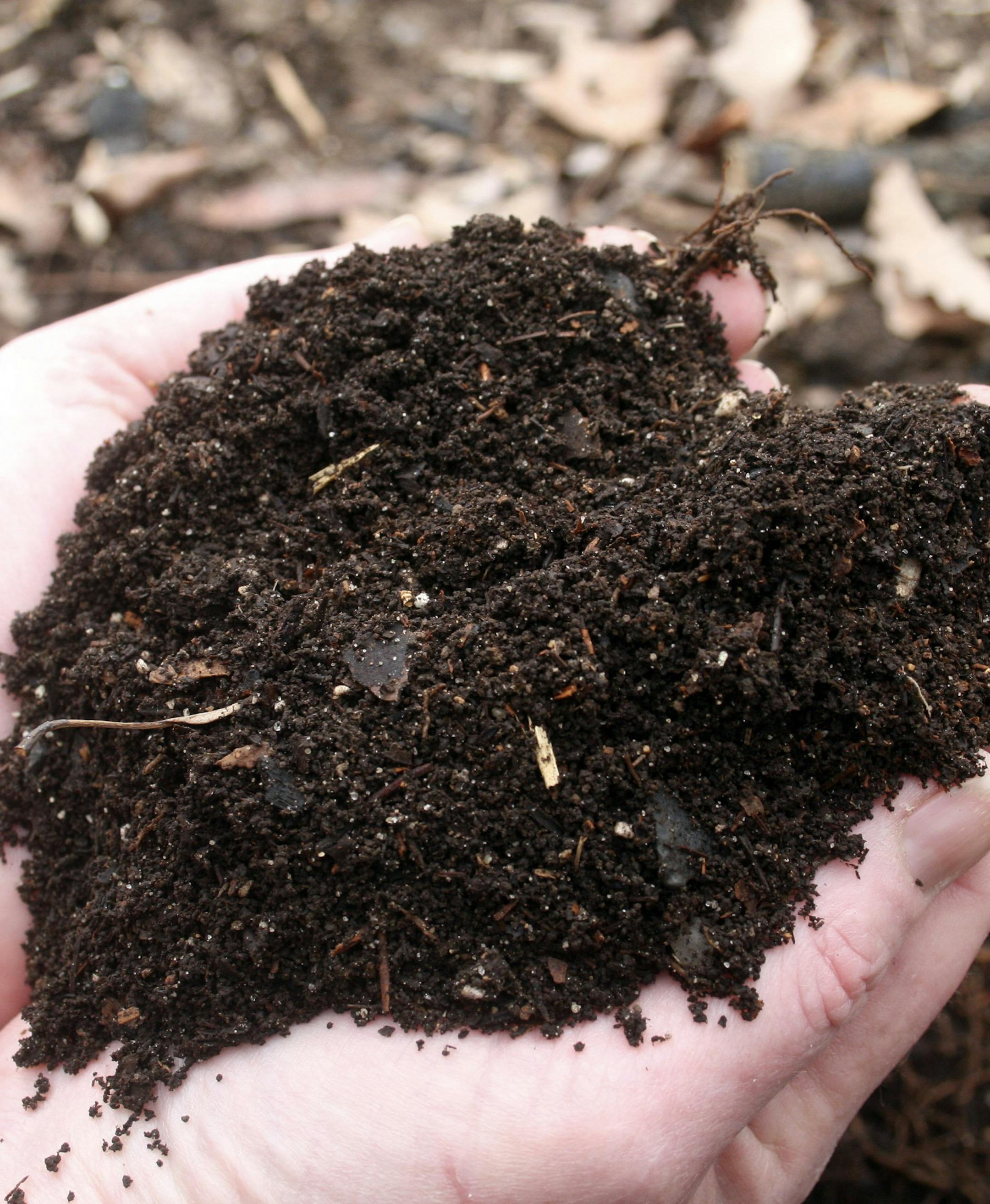
Was it something I was doing? Or was the problem where I was trying to grow them? The soil in my yard near the Mississippi River is rich, black, moisture-retentive silt. The plants that were disappearing prefer sandy, coarse soils or sharp drainage. Their roots were rotting in my wet yard.
Soil isn't something a lot of gardeners think much about, but we should. Soil characteristics can determine what thrives and what dies in our yards. Whether a soil is sandy or clay, compacted or loose and acid or alkaline affects everything from drainage to fertilization to how easy it is for plants to take root and absorb nutrients and water.
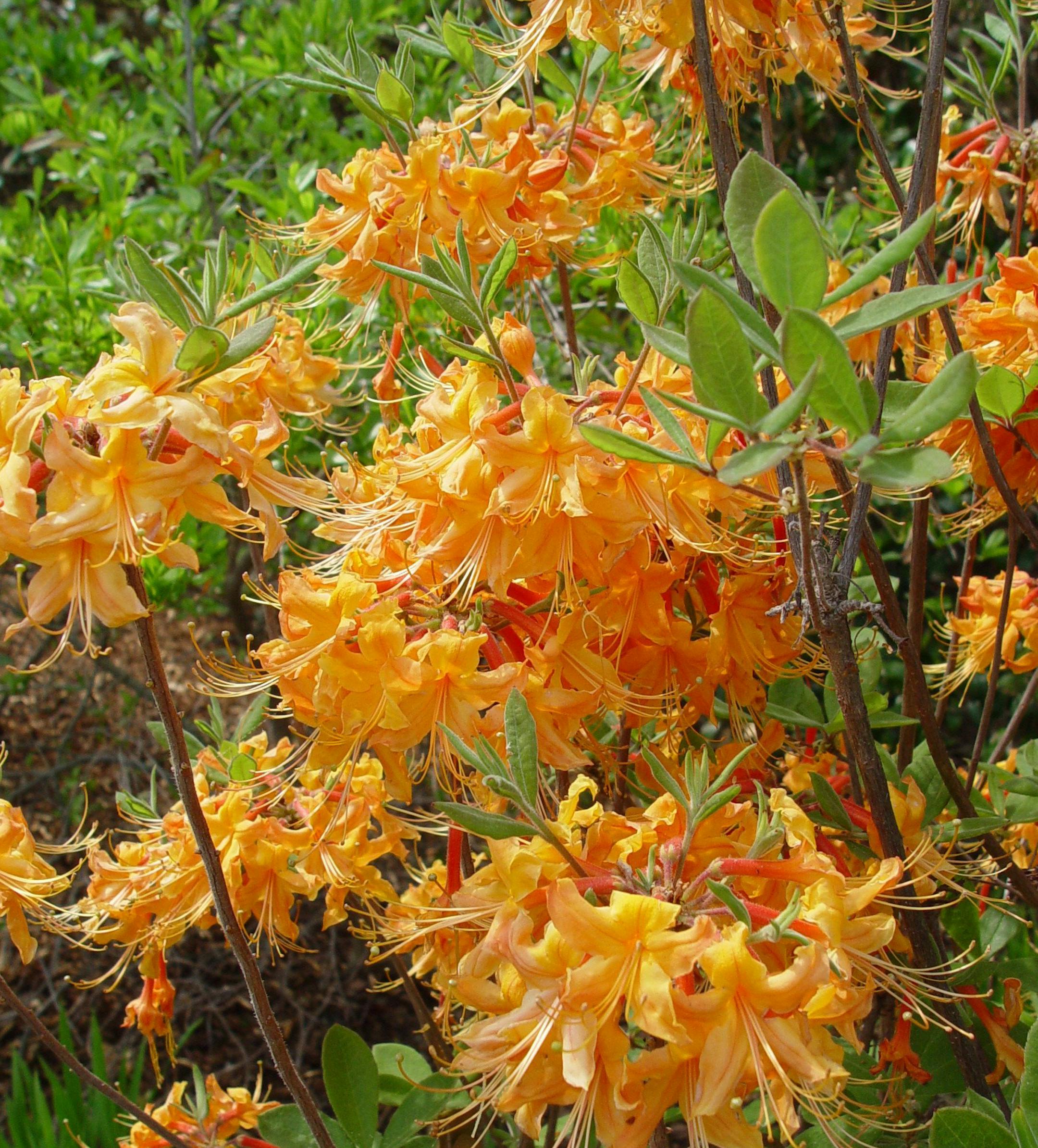
While many garden and landscape plants are tolerant of a range of acidic or alkaline soils — something called soil pH — if you want to grow acid-loving plants like blueberries, azaleas and rhododendrons, you may need to amend your soil. Soil pH affects the availability of nutrients that plants need to do well. A pH of 7 is neutral, a number below 7 is acid, and a number above 7 is alkaline or "sweet."
Most plants do well in slightly acid soil with a pH of 6 to 7. Blueberries, though, need a pH of 4 to 5, azaleas and rhododendrons a pH of 4 to 5.5.
The starting point is to get a soil test. Home soil-testing kits are cheap but often unreliable; consider spending $17 to get an accurate test from the University of Minnesota's Soil Testing Laboratory on the St. Paul campus.
If that seems expensive, it's peanuts compared with the thousands of dollars homeowners spend on plants, trees and turf over the years. A basic soil test at the U lab will analyze what type of soil you have and how much organic matter is in the soil, and will include fertilizer recommendations, depending on whether you are growing grass, vegetables or flowers. It will check to see if the soil contains lead and whether salts are present from excess fertilizer or road salt.