
Beavers are gnawing away at drought issues in California

December 21, 2014 at 11:20PM
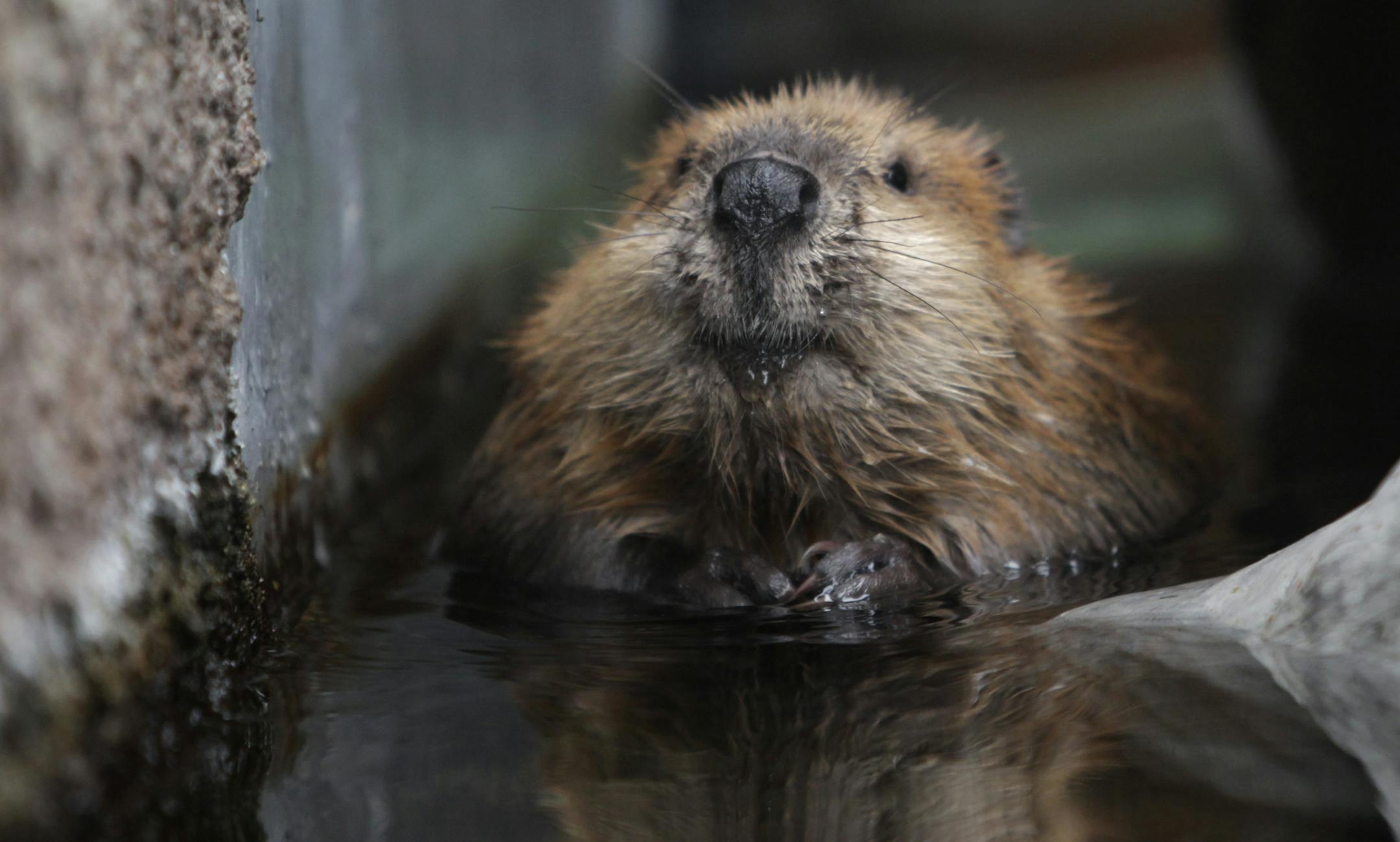
In this Tuesday, Nov. 11, 2014 photo, Timber the beaver swims in his new habitat at Turtle Bay Exploration Park in Redding, Calif. A group of donors known as the Beaver Buddies raised $40,000 to help build a habitat for the newest animal at the science museum. (AP Photo/Record Searchlight, Andreas Fuhrmann)
Known as ecosystem engineers, beavers were nearly hunted to extinction in California in the 19th century, but now are benefiting the environment in ways humans can’t easily copy. (The Minnesota Star Tribune)

LOS GATOS, Calif. – Three punishing years of drought have parched California streams, rivers and wetlands.

One animal has the potential to help restore these dry landscapes.

With their industrial-strength buck teeth and flat tails, beavers and their dams offer a defense against drought. The rodents are known as ecosystem engineers. And they once populated most of California until fur traders nearly wiped them out in the 19th century,

"This state has lost more of its wetlands than all other states, and beavers can rebuild those wetlands," said Rick Lanman of the Institute for Historical Ecology in Los Altos. "Knowing that it is native should help guide restoration efforts."

Beaver dams benefit the environment in ways that humans can't easily copy. They turn land into a sponge for water. Their gnawing and nesting promotes richer soil and slows down water, improving imperiled fish habitat. Their dams raise water tables, nourishing shrubbery alongside streams that stabilize eroding banks, and add habitat for birds and deer. They also help the endangered California red-legged frog.

Because beavers are so good at recharging groundwater, they can make streams flow when they would otherwise run dry such as during the summer months.

After beavers move to a new area, at night, they drag a tree across a shallow stream to start a dam. They carry rocks and mud with their paws and branches with their big incisors. Water in these beaver ponds would otherwise flow away.

"There's a growing interest in using beaver as a habitat restoration tool," said Michael M. Pollock, an ecosystems analyst with the National Oceanic and Atmospheric Administration in Seattle. "They create good wetland habitat much more cheaply than other restoration methods."

Beavers can also help reverse the rising temperatures of water, which can harm fish. The deep pools created by their dams have cooler water at the bottom.

The California Department of Fish and Wildlife is starting to embrace the beaver, a shift beaver advocates applaud.

"Our effort now is to show its many sides, sides that have always existed," said Kevin Shaffer, a fisheries manager for the department. "We are investigating how beaver promote habitat and water conservation through their habitat manipulation. We are also creating public and scientific information about the beaver, its ecological role and current regulations and laws affecting its management and conservation."

about the writer

about the writer

Samantha Clark, Santa Cruz (Calif.) Sentinel

More from No Section

See More
FILE -- A rent deposit slot at an apartment complex in Tucker, Ga., on July 21, 2020. As an eviction crisis has seemed increasingly likely this summer, everyone in the housing market has made the same plea to Washington: Send money — lots of it — that would keep renters in their homes and landlords afloat. (Melissa Golden/The New York Times) ORG XMIT: XNYT58
Melissa Golden/The New York Times

It’s too soon to tell how much the immigration crackdown is to blame.