

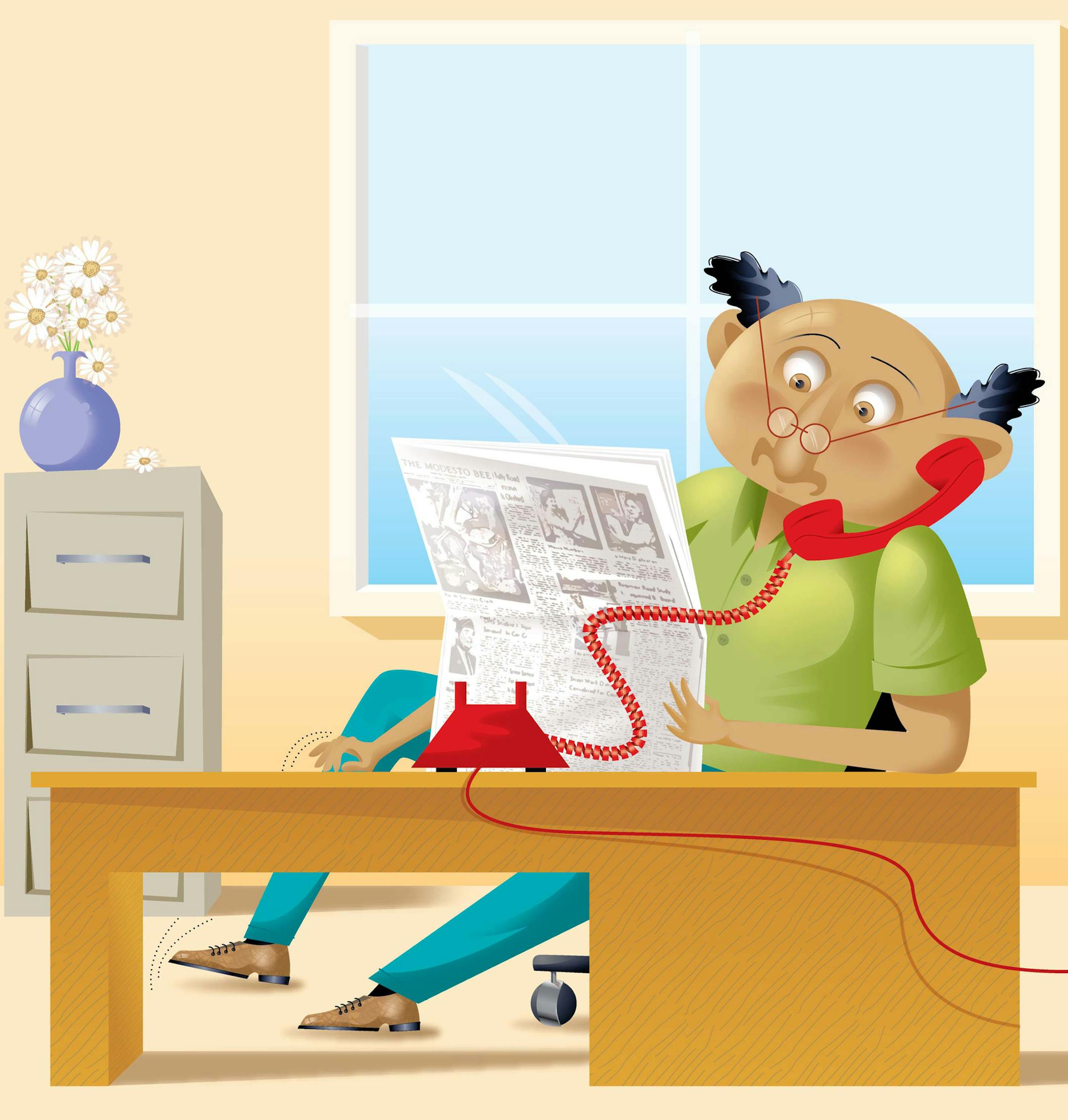
Are you a jiggler? Do you tap your fingers or feet, bounce your heels up and down, or knock your knees together while sitting? That can be good — or if you're a competitive athlete, bad.
First the good. There have been many scientific and medical studies examining different aspects of jiggling. One overall conclusion: Lean people jiggle. Obese people do not.
There are a variety of expert opinions about this fact, but not many causative links. In other words, lean people who stop jiggling don't become obese, and obese people who begin methodically jiggling don't get lean. But there's still a close relationship between calories burned and calories stored as fat when it comes to jiggling or fidgeting.
Suppose you're an active, athletic person who spends most of your waking hours sitting; sitting while being transported to and from work, sitting while at work, then sitting in the evening for dinner and a bit of TV. If you're a five-day-a-week person, the only time you really have for intense exercise is on the weekend.
Maybe you're a serious enough athlete so that you push yourself to train before or after work. But part of the long-term benefits of an hour or so of intense activity is lost when it's preceded by, or followed by, hours of sedentary sitting. A compulsion toward fidgeting may be the body's way of calling for a little action, a bit more movement if muscles haven't been used during the passing minutes.
Skip workout for jiggling?
Jiggling will never replace diet and exercise when it comes to building muscle and losing weight, but any kind of movement, no matter how small, still burns calories. It's been estimated by a number of scientists that despite a sedentary job, daily movements such as frequent wiggling in your chair, foot or finger tapping and other forms of fidgeting, will burn at least 200 calories a day.
Add to this by getting out of your chair often. Even if you just take a few steps, or take a short walk to the break room or up and down a stairway once an hour, it will activate your muscles and do a lot to keep them from adjusting — or atrophying — to your day of sitting. You'll keep a lot more of the "training effect" that makes you a good athlete.
Now for the bad part: overtraining. If you're a competitive athlete with a contest or competition coming up, you'll want to be very careful about how much, and how actively, you jiggle.


