

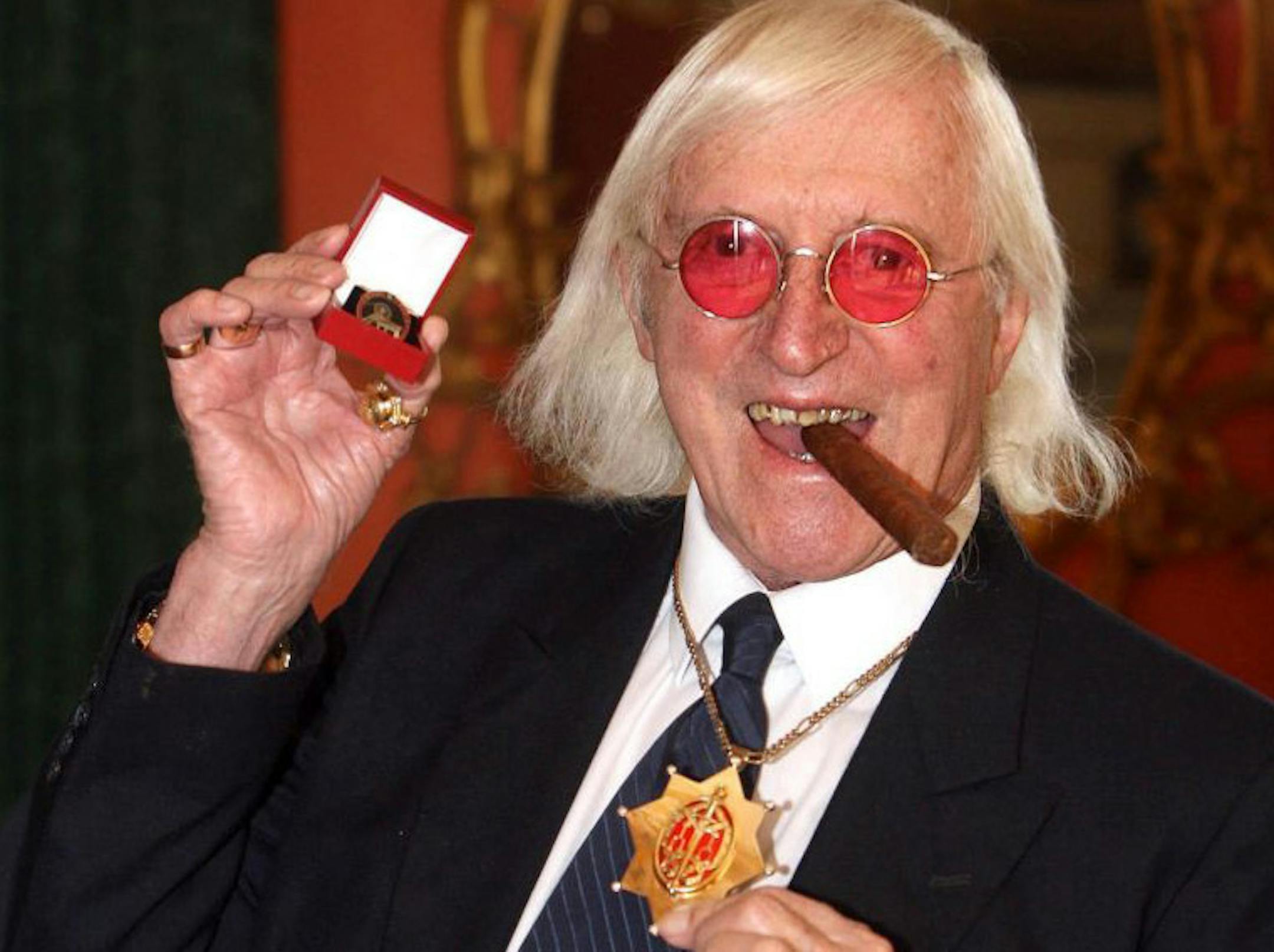
LONDON - The director general of the BBC on Tuesday defended the institution's handling of a sex-abuse scandal involving one of its best-known personalities, saying the corporation was not trying to "avoid answering questions" and had begun inquiries that were "the opposite of an attempt to hide things."
George Entwistle was appearing before a parliamentary panel that has played a major part in investigating Britain's phone-hacking scandal and is known for its often abrasive interview techniques.
But in more than two hours, Entwistle seemed to parry most questions, falling back frequently on the argument that formal inquiries that he has commissioned at the BBC would resolve some of the issues. Denying accusations of a coverup, he expressed "horror" at the scandal and said it had raised questions of trust and reputation for the BBC. He insisted that his direct knowledge of the episode was minimal, prompting panel members to mock him for what they called an extraordinary lack of curiosity.
The hearing came just a day after the BBC broadcast an examination by the "Panorama" program into a decision by the editor of another program, "Newsnight," to cancel an investigation last December into accusations of abuse against Jimmy Savile, an iconic showman and prime-time television host once depicted by the BBC as a national treasure.
"There is no question in my mind that this is a very grave matter indeed," Entwistle said.
"I would accept that there have been times when we have taken longer to do things than in a perfect world I would have liked. But I think if you looked at what we have achieved since the scale of the crisis became clear, I think you see we have done much of what we should have done and done it in the right order with proper respect paid to the right authorities."
It was not possible to look back on the decades of Savile's behavior "with anything but horror that his activities went on as long as they did undetected," Entwistle said.
Asked whether sexual abuse was endemic at the BBC, as some victims have suggested, Entwistle said he did "not have enough of a picture to know it was endemic."


