

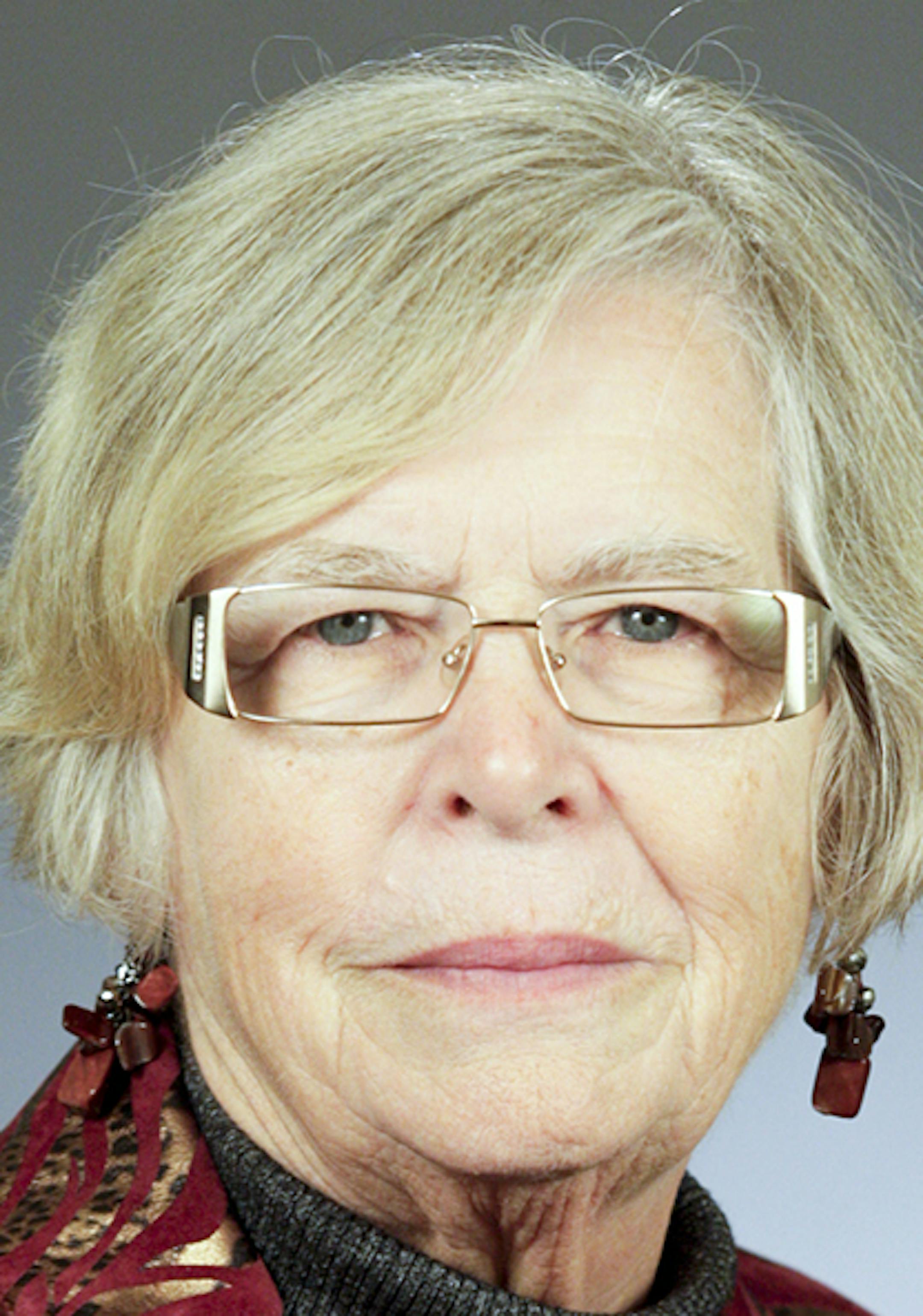
ALBERT LEA, Minn. – Rep. Shannon Savick was speaking at a seniors forum at the Good Samaritan Society last week when she slipped up and said she hadn't voted on the $90 million new state Senate office building, when in fact she had voted for a 2013 tax bill that authorized it.
The DFLer from Wells, Minn., later clarified that she meant she played no role in the building's details, which were hashed out by legislative committees in 2014. But the Minnesota Jobs Coalition, a Republican-aligned group, had already captured the moment on video and blasted out a press release attacking Savick, who is seeking a second term.
It was another indication of the fierceness of the battle for the House that even a forum before a few dozen senior citizens 100 miles south of the Twin Cities is drawing operatives and rapid-fire attacks.
Republicans, who need to flip seven seats for a state House majority, view victory as a bulwark against the possibility of another two years of DFL-controlled state government.
Savick, a retired manufacturing software saleswoman, isn't backing down and was quick in an interview to list what she said are important achievements for her district, which includes Dodge, Faribault, Freeborn, Mower and Steele counties.
After experience as mayor and council member for Wells, Savick said, she understands the struggles of outstate Minnesota and fought for $20 million in extra local government aid for outstate cities. She also won a $500 stipend for firefighters and other first responders to address a shortage of volunteers, while bringing home state aid for local projects, such as $7.5 million to dredge Fountain Lake and $1.7 million for the local community college.
Savick's opponent is Peggy Bennett, a first-grade teacher for more than three decades in the Albert Lea area schools who was named teacher of the year in 2011. Calling herself a "constitutional conservative," Bennett is making her first run for office. She often draws lessons from her first-graders and applies them to politics.
On the state budget, she talked about teaching her students "the difference between wants and needs," though she offered few specifics on how to pare a state budget in which 70 percent of spending goes to health care and education.


