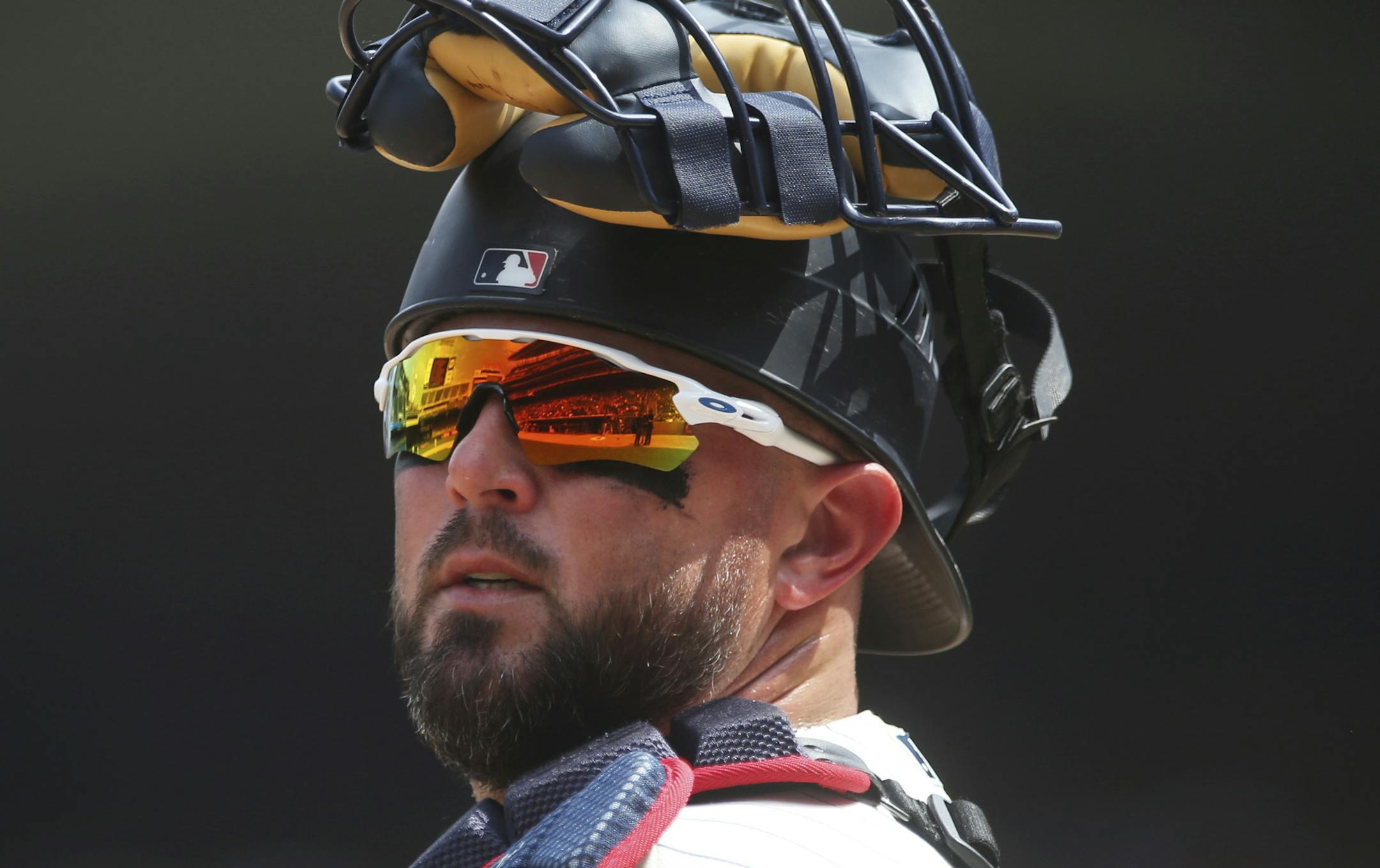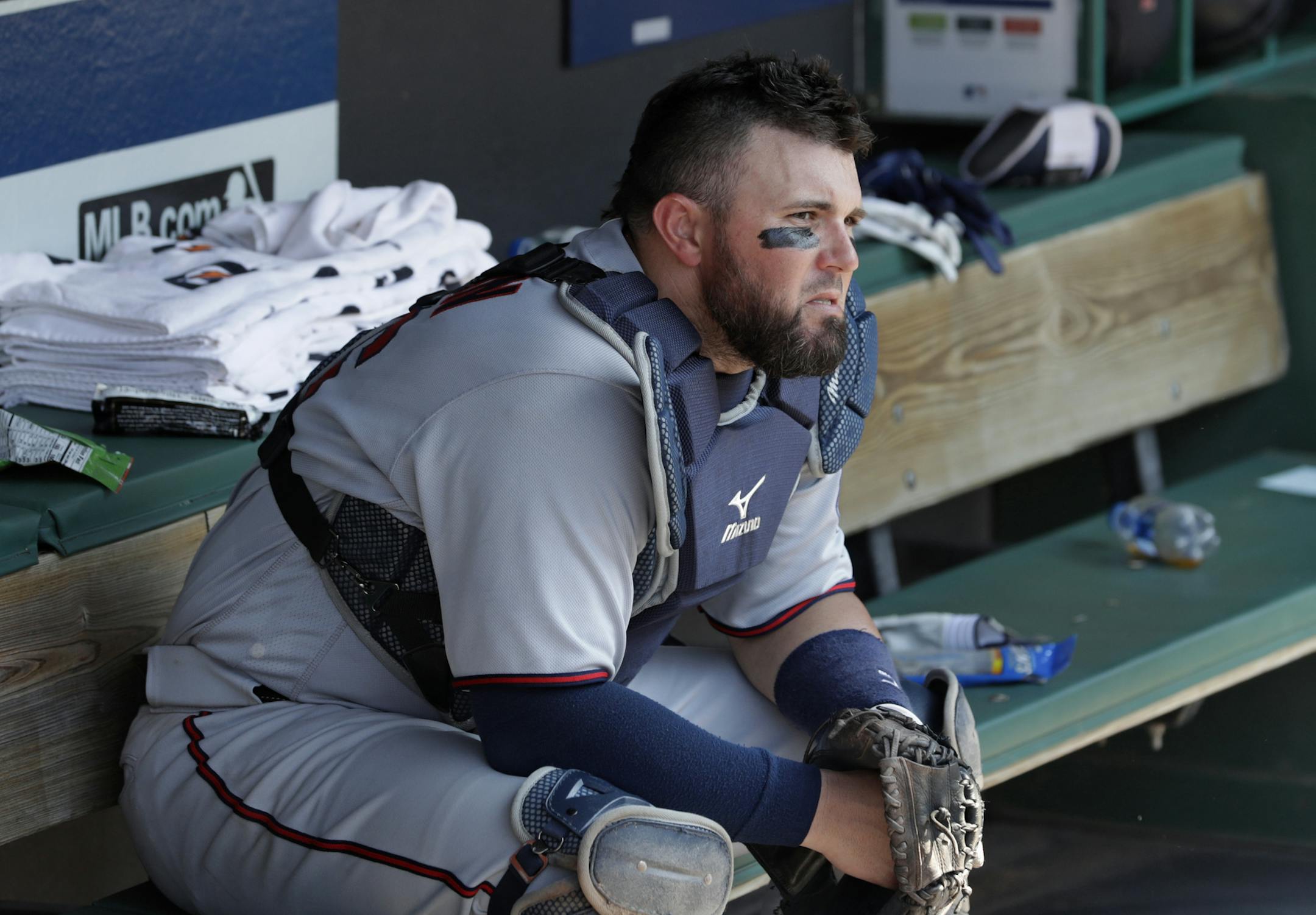
Bobby Wilson was wearing a T-shirt that read "Everything Hurts" as he spoke about his job and his baseball career. His words confirmed its accuracy.
"I've been playing professional baseball for 16 years, putting on that gear, squatting behind the plate every day, in every kind of weather," Wilson said. "There's a reason young guys don't want this job."
But Wilson wasn't complaining — in fact, it's the exact opposite. In an odd bit of self-contradiction that's endemic to the position, he's a proud member of a fraternity that nobody, Wilson included, wants to belong to: backup catchers.
"I never looked at myself as a so-called backup. Nobody goes into baseball to be a backup," Wilson said. "You prepare to play every day. Whether you do or not is out of your control."
Being in control, however, is what makes a good backup catcher, and keeps this breed of ballplayer employed for a decade or more in an industry that ruthlessly discards players at other positions the moment they betray a hint of obsolescence. More than half of all major league teams employ, or have at some point this season, a player who fits the profile: over 30 (sometimes well over), has played for multiple MLB teams, and won't complain if his name is on the lineup card only once a week.
"That's a special skill that you have to develop. It would be a lot more fun to play every day, but not all of us can, so I just embrace it," said Drew Butera, who spent three seasons as Joe Mauer's backup and is now in his fifth season as Salvador Perez's backup in Kansas City. "Most people don't see the hard work that goes into keeping ready. It might seem glamorous — they think you get to just sit around and watch baseball games six days a week, but there's a lot of work going on."
In a lot of cases, it's even more work than the starters put in. Wilson, for instance, makes it a point to catch off-day bullpen sessions by the starting pitchers, never going two days without one, just to keep his legs stretched and strong, and to stay familiar with how each pitcher is feeling. He schedules a pregame practice session, working on throwing to each base, on the first day of each series. And he takes part in each day's pregame meeting with the staring pitcher, to help go over the game plan.
That last part may be what keeps Wilson in the majors despite a batting average of .169 this year, or compels the Royals to retain Butera — he signed a two-year contract after the 2016 season — even though he's hitting .185, or helps Chris Gimenez find work with six different teams over the past decade, two of them more than once.