

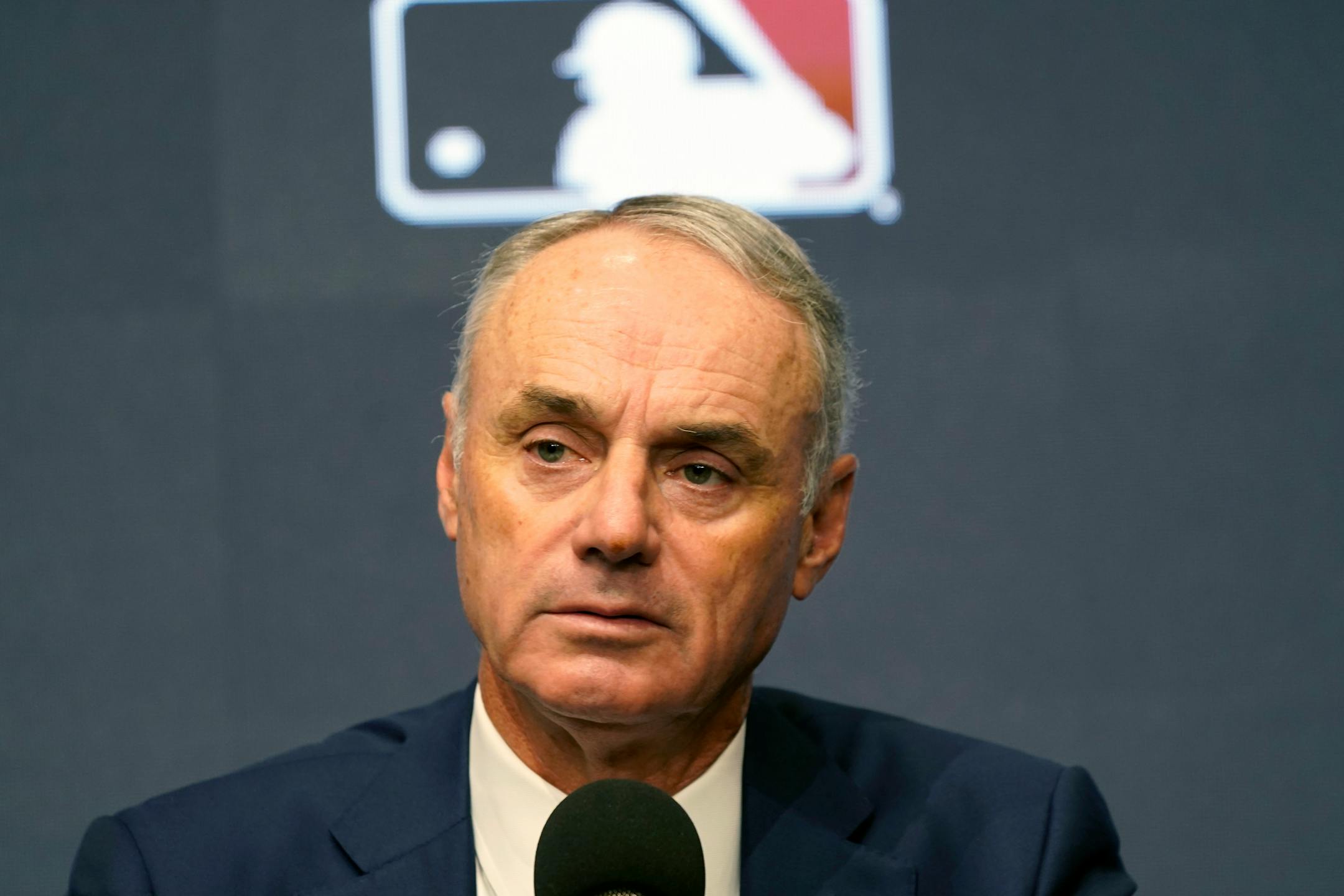
For the first time in more than 25 years (2020's pandemic shutdown excluded) there is no baseball. I know it's the offseason, but if the impasse between the players union and the owners continues there may be no baseball in April. The disagreement is largely about how younger players and superstars are paid. But the problems stem from big structural changes in the economy that impact every industry. And while the baseball lockout will eventually be resolved, the economy-wide issues that unions are ill-equipped to address will remain.
The U.S. economy has undergone some big changes in the last few decades that impact every industry, even the classic American game. Better data and data analytics make it easier to spot talent and how much an individual worker or player contributes. There are also bigger rewards to being a superstar both individually and as a team.
Talent tends to cluster, creating superstar companies (or teams) who earn outsize rewards. Increased globalization and technology contribute to a larger, more lucrative market that increases the value of being a superstar, especially if you work at a superstar firm and work with other stars. This leaves mediocre players and workers behind and unable to compete. The winner-take-all economy is a big part of the reason why income inequality has increased.
This also explains why baseball is struggling to find a compensation formula that can satisfy both players and owners. When players enter the major league they sign a contract that allows them to renegotiate a pay increase through arbitration after three years of service. After a minimum of six years of service they can become free agents and might sign a bigger deal with a different team. The union wants arbitration and free agency to happen sooner. With the current arrangement, many younger players are underpaid during their prime years. The analytics have revealed that most players become less valuable as they get into their 30s, when their contracts would typically expire.
That's why many players have been extending their contracts and avoiding free agency. Under the current rules, the ability to negotiate for higher pay tends to happen after their peak years. If they could get out of their contracts earlier, they could make hay in their prime. This might be acceptable to the owners on its own, but the union also wants to preserve the upside, or the extremely large salaries for the few players who do go on to become big stars and secure big deals after their contract ends.
There is no salary cap in baseball, but there is a "luxury tax" on team salaries intended to prevent an arms race that ends in the richer teams hoarding the best talent. If a team's total salaries exceed a certain amount, currently set at $210 million, the team must pay a fine that goes up each year the threshold is violated.
So the owners would like to lower the luxury-tax threshold, introduce a salary floor, and base free agency on age instead of years in the league. This would keep salaries down for both young players and stars. Owners argue that the players already have a good deal, that industry pay has never been higher and that the players' share of revenue has been constant. Though that is largely because those few superstar salaries have gotten so high.
To be fair, it may not be possible to pay $43 million annually to the few stars and pay younger players more. Something has to give. While in other industries the superstar effect means a few firms end up with all the talent and most of the profits, in sports that would mean only a few competitive teams.


