

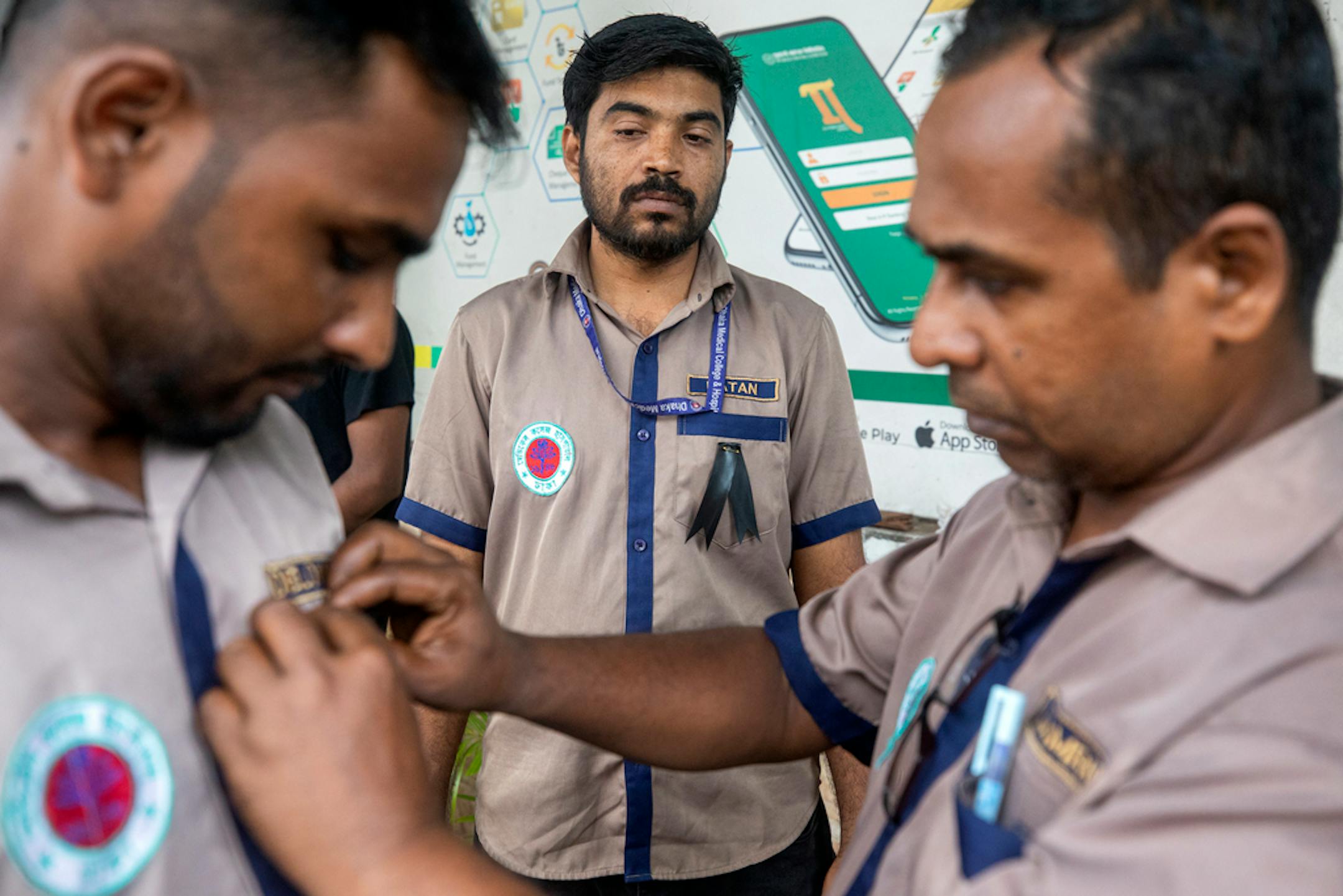
DHAKA, Bangladesh — Bangladesh observed a day of mourning Tuesday in memory of more than 200 people killed in recent weeks during violence that evolved from student protests over the South Asian country's quota system for government jobs.
After weeks of peaceful protests by students looking to change the system — which reserves 30% of government jobs for families of veterans and freedom fighters during the war of independence against Pakistan in 1971 — violence erupted on July 15 when activists of a student wing of the ruling party attacked demonstrators. Security officials opened fire, using tear gas and rubber bullets to try to quell the violence.
The quota protests posed the most serious challenge to Bangladesh's government since Prime Minister Sheikh Hasina won a fourth consecutive term in January elections that the main opposition groups boycotted.
The ruling Awami League party and opposition Bangladesh Nationalist Party have often accused each other of fueling political chaos and violence, most recently ahead of the election, which was marred by a crackdown on several opposition figures.
Government officials — including those at the Bangladesh Secretariat, the top office containing most of the country's ministers and bureaucrats — wore black badges Tuesday to mourn those killed in the violence.
Bangladesh is slowly crawling back to normalcy with the strict curfew being relaxed in recent days. Authorities also asked all mosques, temples and other religious installations to organize special prayers Tuesday for the dead.
Later Tuesday, Hasina visited a state-run hospital in the capital of Dhaka, where many of the injured were being treated. She asked hospital authorities to ensure the best possible care.
Also on Tuesday, members of 31 cultural groups tried to hold a procession in downtown Dhaka, condemning the deaths in the violence but police blocked it. No violence was reported as singers and other activists sat down on the street and continued the protests peacefully amid a tight police cordon.


