

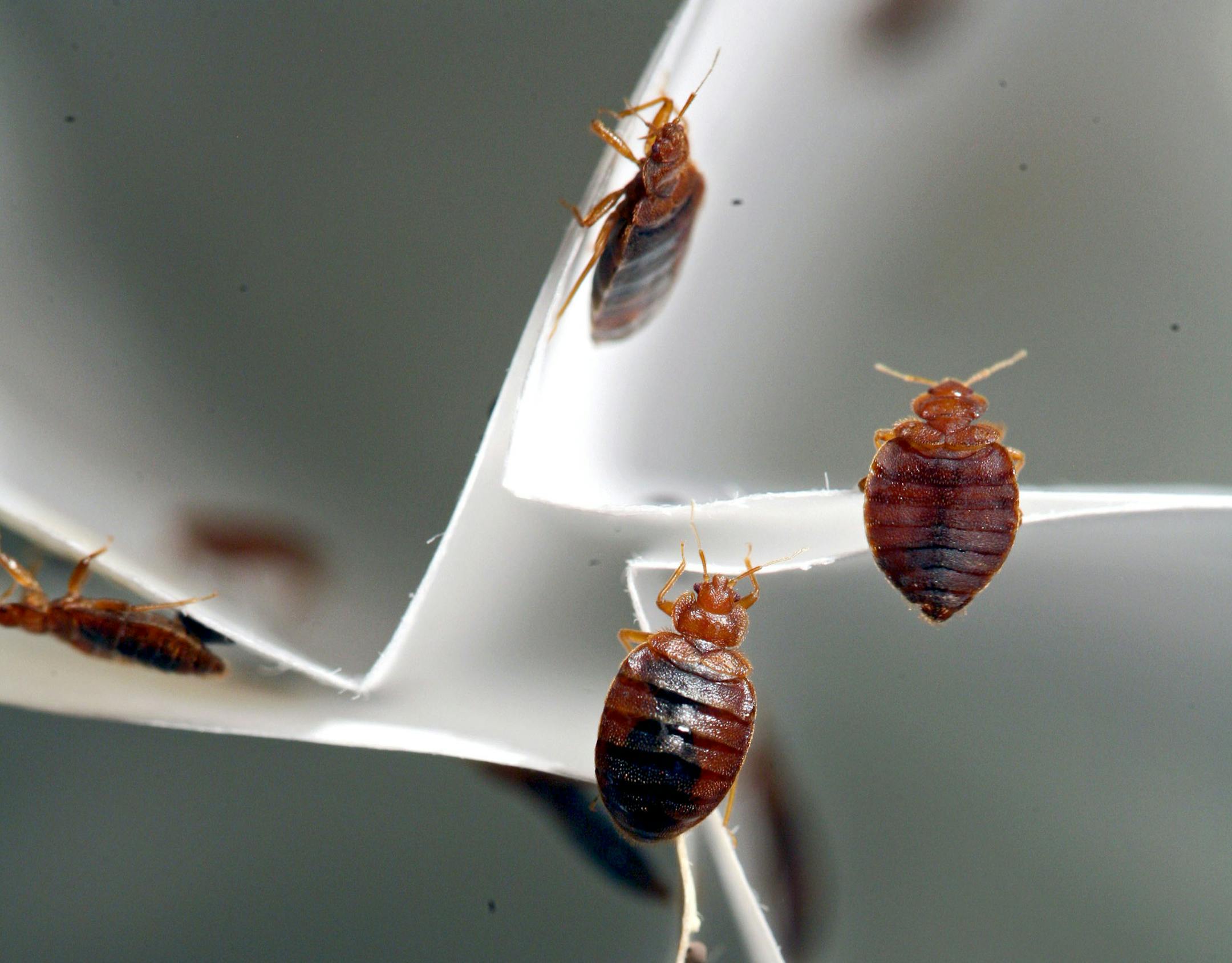
Baltimore is known for its historic neighborhoods, monuments, crabcakes — and, increasingly, its bedbugs.
For the second straight year, the port city ranked No. 1 on a Top 50 Bed Bug Cities list compiled by Atlanta-based pest control services company Orkin.
The list is based on the most residential and commercial treatments for the seed-sized bloodsuckers from December 2016 to November 2017, and reflects a rising number of infestations across the U.S., according to Tim Husen, an Orkin entomologist.
Washington, 40 miles from Baltimore, was ranked second on Orkin's list, followed by Chicago, Los Angeles and Columbus, Ohio. The Baltimore City Health Department doesn't have any bedbug mitigation programs, according to its website, which gives tips on identifying and controlling the ancient critters.
Since Orkin began reporting the top bedbug cities, complaints to a 311 municipal services number in Baltimore for bedbugs have gone down by more than 30 percent, said Tania Baker, director of communications for the city's housing authority.
"If bedbugs are found, violation notices are issued to both the owner and occupant to take the necessary steps to eliminate the infestation," Baker said in an e-mail.
Bedbugs have been a nocturnal pest for at least four millennia. Although numbers were dramatically reduced after World War II, the parasites have made a comeback thanks to increased global travel, regulatory restrictions on insecticides like DDT, and tolerance to newer, organic bedbug treatments, according to researchers at the University of Arkansas.


