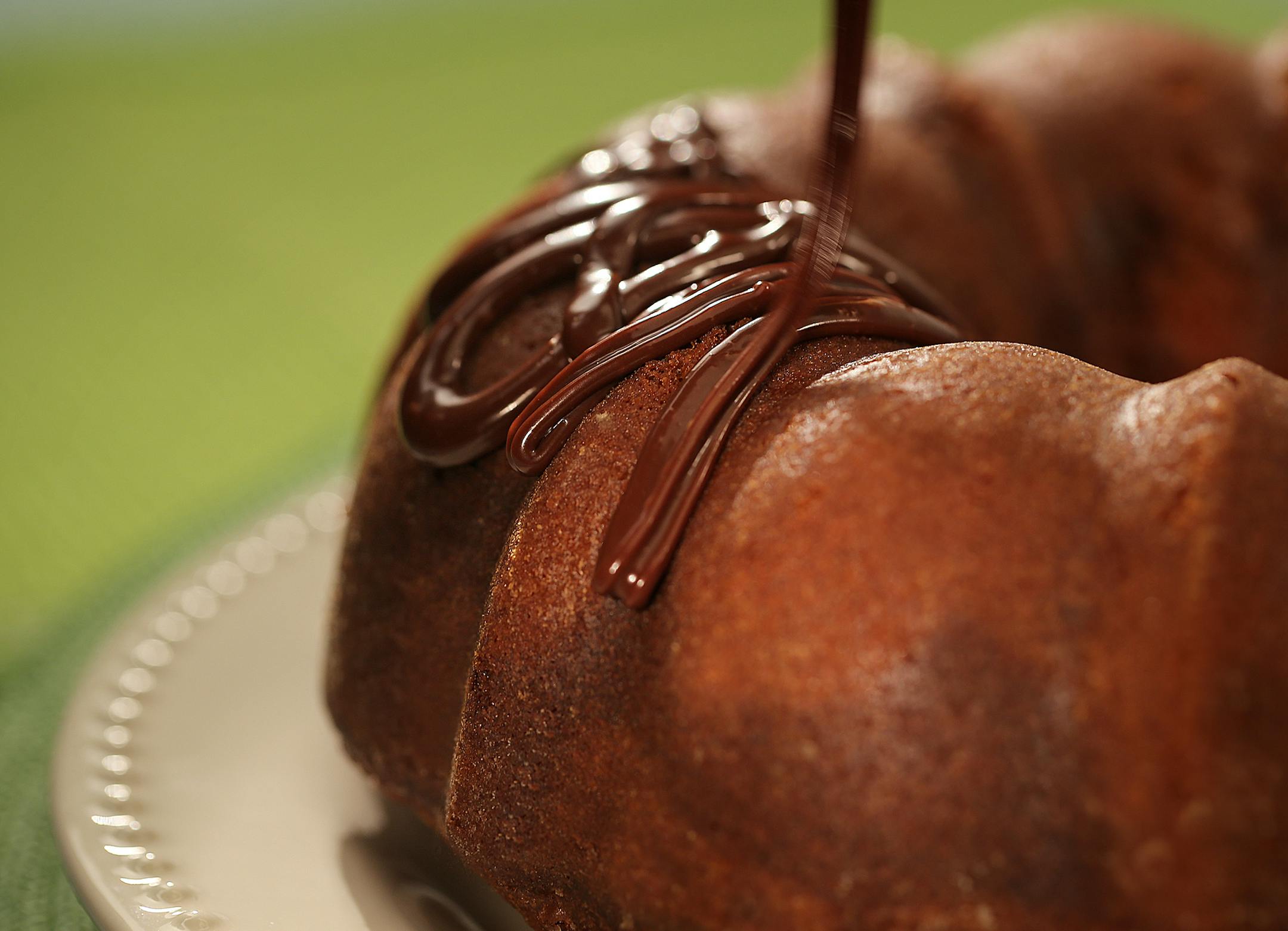
Lurking among those who champion cheesecakes and adore apple pies, amid those who prize puddings and never met a tart they didn't like, is an unexpectedly fervent cult of diners who worship marble cake.
They emerged when they heard we were testing recipes for the distinctively swirled cake. Oh, I love marble cake! Oh, that was my favorite cake as a kid! Oh, that's the only cake I really like!
Of particular interest is that such comments often came from people not generally credited with having a sweet tooth, or were better known as being happy with vanilla ice cream. No-nonsense types.
Yet when presented with the prospect of marble cake, their eyes lit up.
Smart cookies.
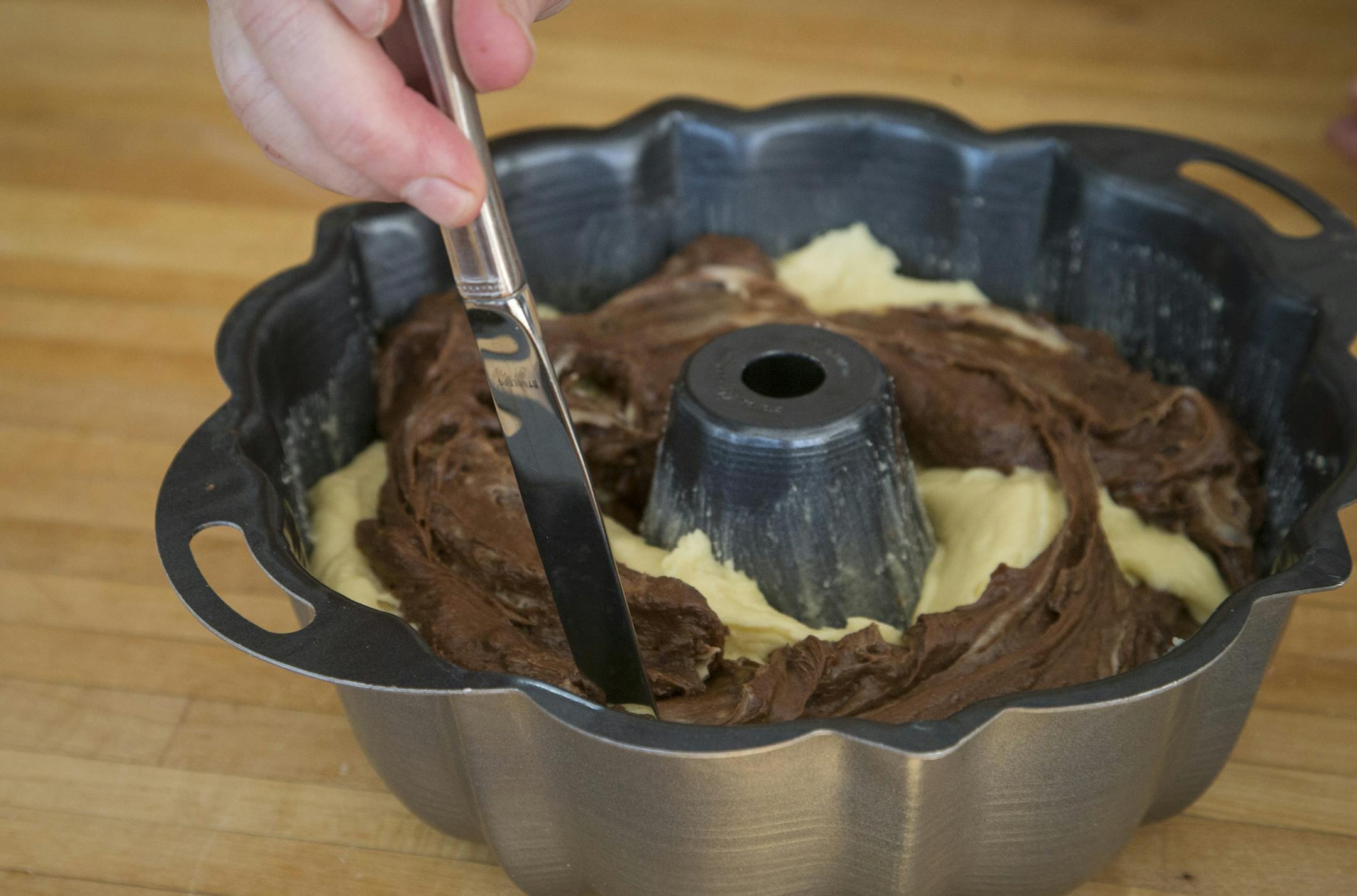
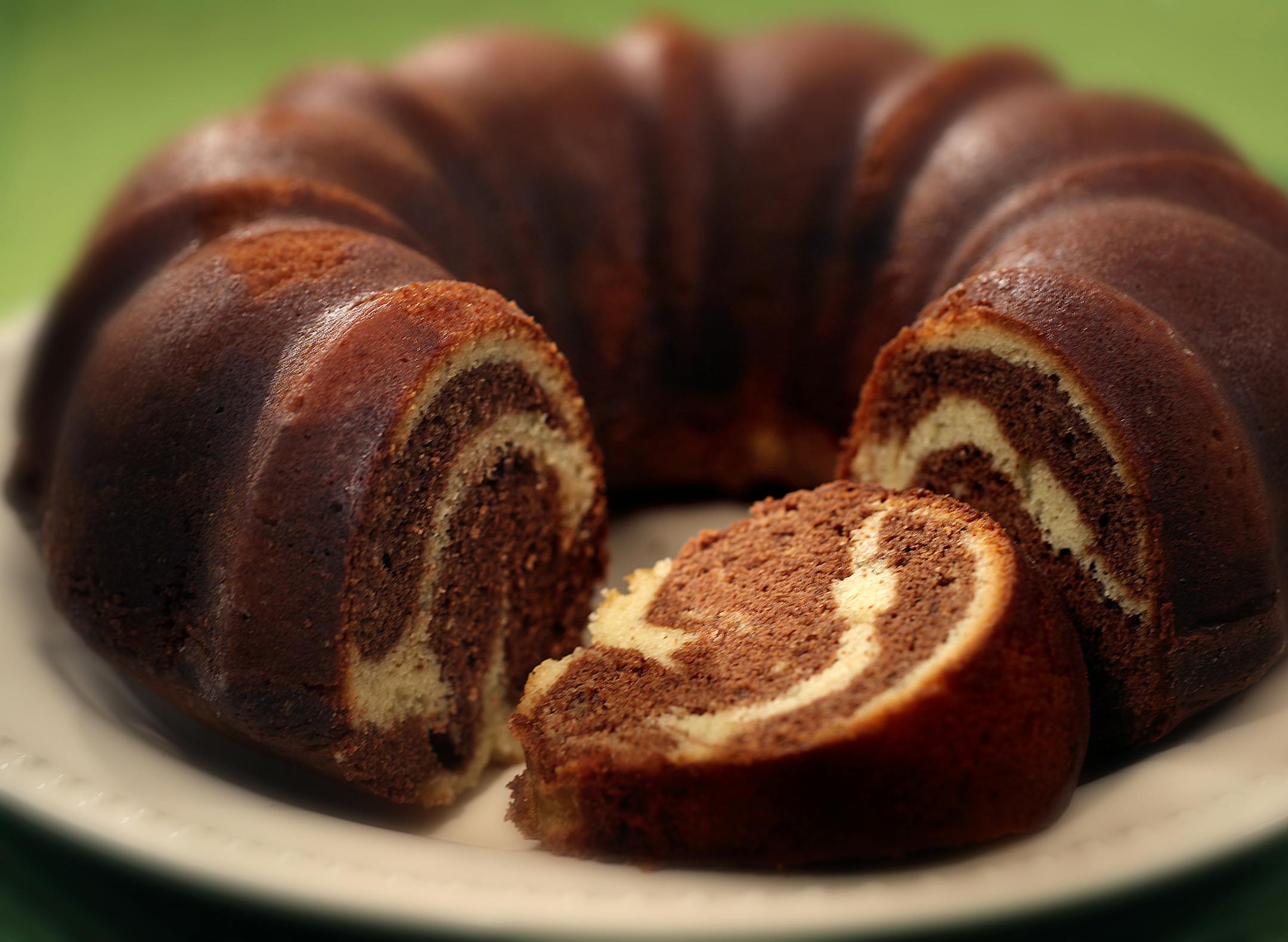
Marble cake is just what it sounds like: layers of yellow cake batter and chocolate cake batter gently swirled together before baking. When sliced, what seems an ordinary cake reveals itself as art.
Marble cake first appeared in the late 1800s, when American bakers sought grander party cakes for the Victorian age. Americans, according to Oxford Encyclopedia of Food and Drink in America, were fascinated with cake color. So the idea of combining two colors into one cake was irresistible.
Early marble cakes featured dark swirls produced by adding molasses and spices to half of a yellow batter rich with eggs. Other versions swirled together a "silver" or egg white cake batter and one made with whole eggs. Eventually some wise soul flavored half a batch of batter with melted chocolate and a classic was born.
![This month we focus on the best marble cake/ Kim Ode ] Photo illustration of marble cakeJanuary 28, 2016 Star Tribune photos by Tom Wallace ï tom.wallace@startribune.com](https://arc.stimg.co/startribunemedia/ZTYVP7T5BMSCIYHXZ2N5UO7XXE.jpg?&w=1080)