

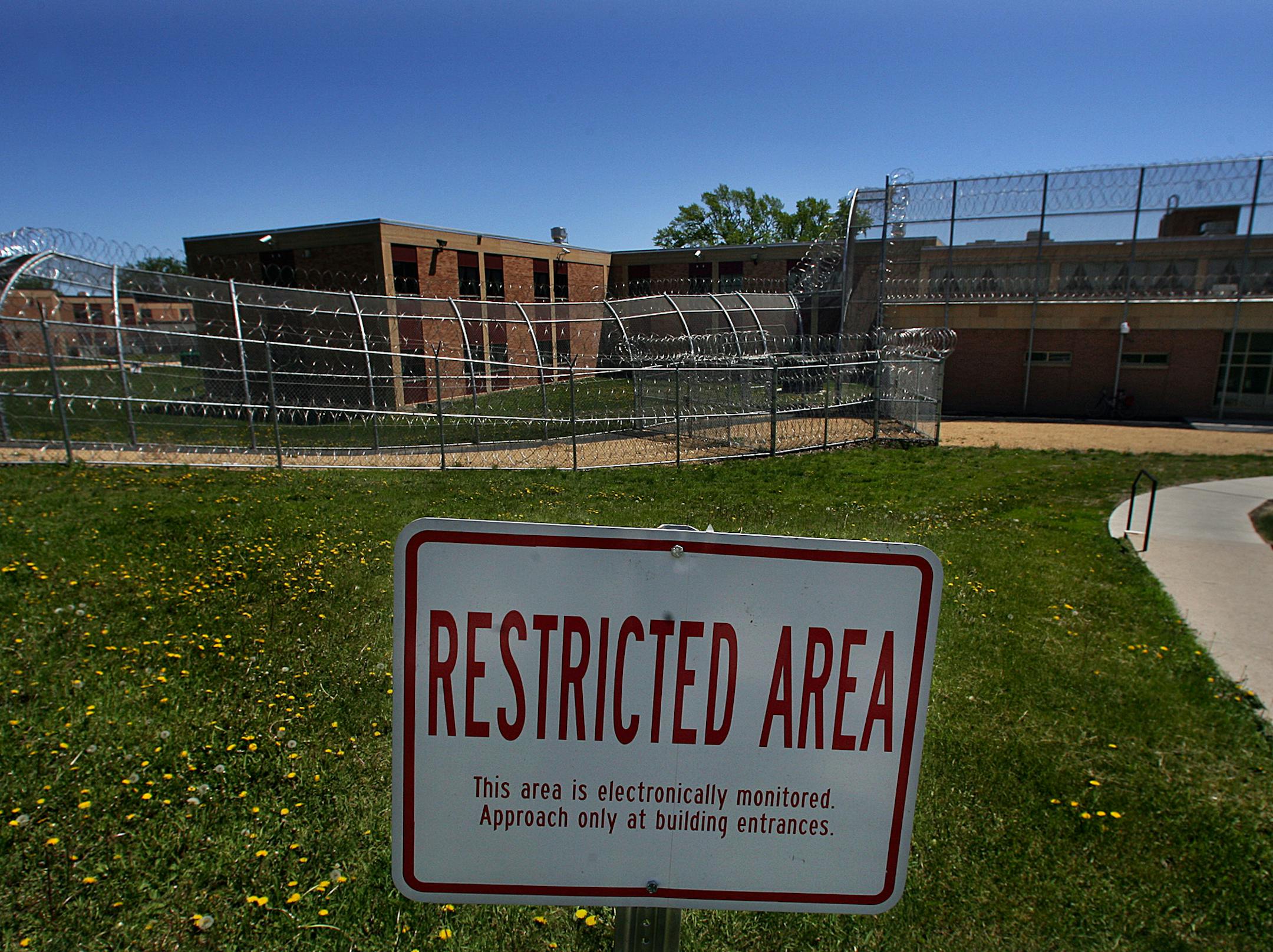
The state of Minnesota confines many sex offenders far longer than necessary and may be confining some who pose minimal risk to the public, according to a scathing review that casts new doubts on the program's future.
The findings, included in an exhaustive report released Tuesday, raise new questions about the legality of Minnesota's controversial sex offender program just three months before a lawsuit over its constitutionality is set for trial in federal court in St. Paul.
A team of court-appointed authorities on sexual behavior, including experts from Florida, New York and Wisconsin, conducted what is considered the most comprehensive review yet into the inner workings of the Minnesota Sex Offender Program (MSOP). Their 108-page report paints a bleak picture of a program that creates unnecessary obstacles to treatment, sets unrealistic expectations for patient behavior, and leaves both patients and staff beset with feelings of futility. Only two offenders have been discharged in the program's 20-year history — in what many argue has become a de-facto life sentence.
"Sadly, some elderly clients expressed grave concerns that they would die at MSOP," the experts wrote. "Overall, clients expressed feelings of helplessness and hopelessness, believing that the 'program has no end.' "
The report provides the most in-depth critique yet of the MSOP's treatment model, and could provide legal ammunition to those arguing that the program is unconstitutional. In a case scheduled for trial in February, a group of sex offenders has sued the state as a class, alleging that the program violates their due-process rights by failing to give offenders adequate treatment and a clear path for release.
"This is going to have a significant impact on the case," said Dan Gustafson, an attorney representing the plaintiffs. "The program has built-in obstacles that make [release] next to impossible."
'Unrealistic expectations'
The panel found large numbers of offenders who are "stuck" and are not progressing in their treatment. Many are held back in treatment, the experts found, because they have intellectual disabilities and mental illnesses that make it difficult for them to communicate with MSOP staff. Others are held back for rule violations, such as running down the hallway or wearing unapproved clothing, that have little bearing on their risk for reoffending, the experts found.
"It appears that treatment progress is currently impeded by unrealistic expectations for client behavior," the experts wrote.


