


Rochelle Inselman's obsession has haunted Minnesota's debate over gun violence this year.
She was denied a permit to purchase a weapon by her hometown police department in Eden Valley, south of St. Cloud, because background checks turned up a history of violating restraining orders. She went on an Internet site and arranged for the private purchase of a 9-millimeter handgun and ammunition.
The sale required no background check.
On Feb. 12, 2012, she went to the home of an ex-boyfriend, Bret Struck, in Brooklyn Center, whom she had stalked for eight years. She killed him, firing every round that came with the gun, and is now in prison for 40 years.
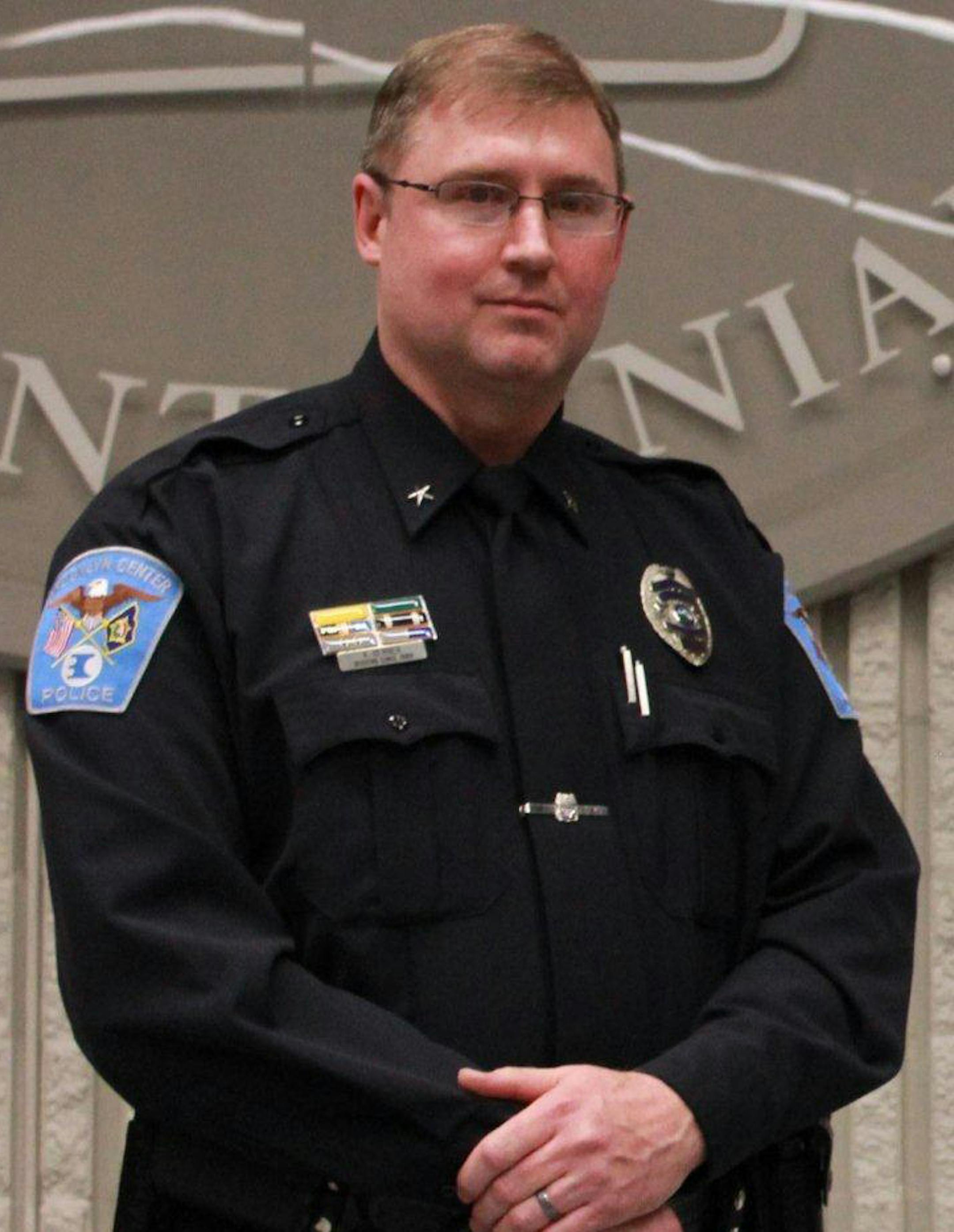
Kevin Benner, chief of the Brooklyn Center Police Department, which investigated Struck's murder, has used the Inselman case to argue in favor of universal background checks — extending the background checks now in place for purchases from licensed firearms dealers to all private purchases of handguns and semiautomatic, military-style assault rifles.
The issue, which is expected to come to a vote in the Minnesota Senate Judiciary Committee on Thursday night, is a big part of the national gun debate in the wake of the Newtown school massacre in December. In Minnesota and at other state Capitols, the two sides are contesting how big a loophole exists in the current system and whether people intent on doing harm would be deterred by a background check.
Chris Rager, lobbyist for the National Rifle Association in Minnesota, says such a change would end traditional neighbor-to-neighbor transactions without stopping those as intent on violence as Inselman.
"Universal background checks aren't universal," Rager told the Legislature. "Criminals won't submit to these background checks."
![Kevin Vick, the head of Crucible Arms, is opposed to universal background checks for guns. Crucible Arms is a business that helps people get gun training and information for firearm purchasing. Kevin Vick at home Tuesday afternoon, March 12, 2013 in Lakeville, Minn. ] JEFF WHEELER • jeff.wheeler@startribune.com](https://arc.stimg.co/startribunemedia/CEZAJQHDYL2YJLG4535O6QSYOY.jpg?&w=1080)


