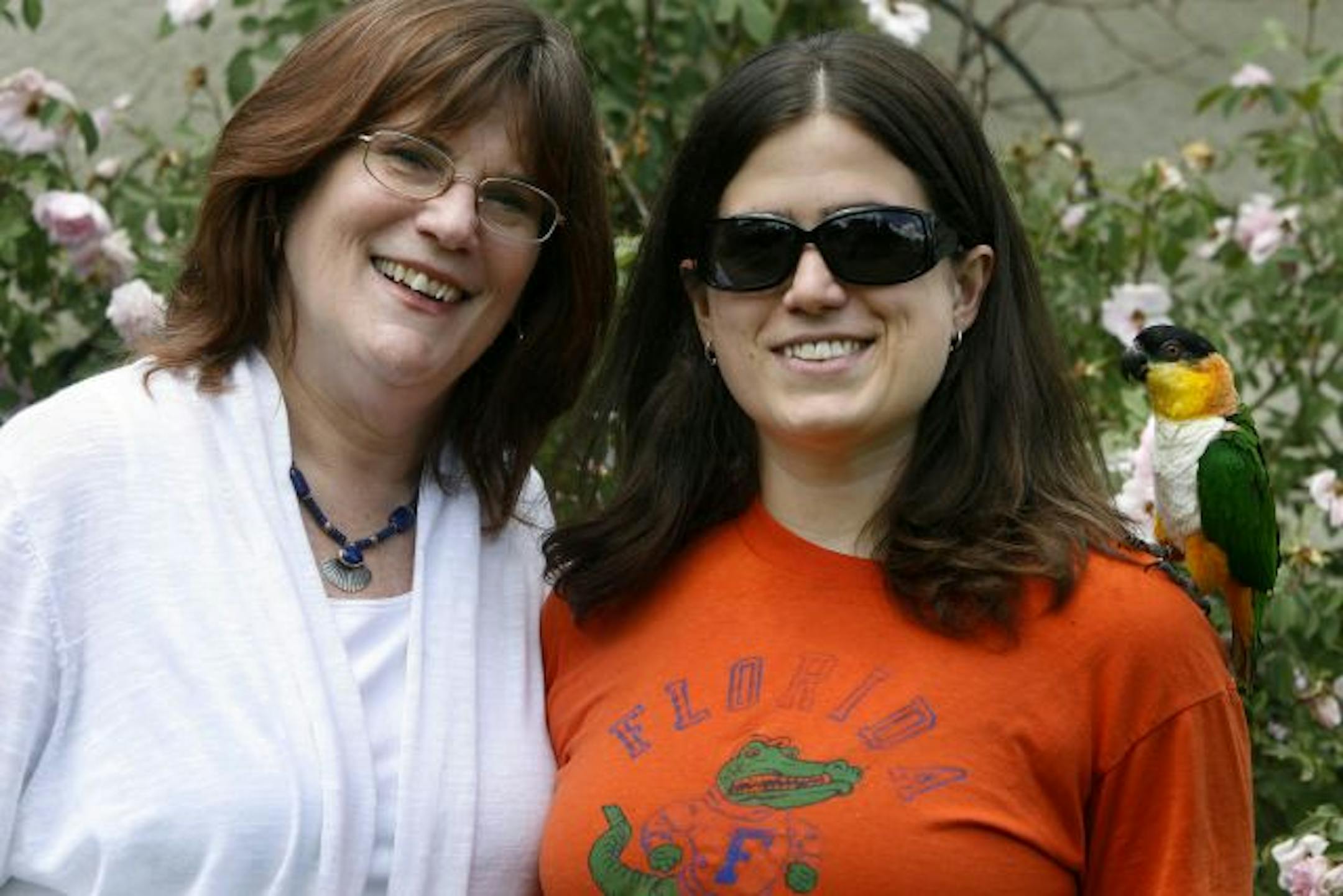
Jean Samuels expected her two oldest sons to graduate from college. She didn't expect them to move back to the family home in Minnetonka once they did.Her oldest, now 26, lived at home for almost two years after college. His brother stayed for a year, recently leaving for a job out of state.
"It has been stressful and challenging, both for us and for them. It altered everyone's lifestyle and strained relationships," she said. "We had many confrontations about 'the rules of the house' and were not surprised that it caused conflict at times."
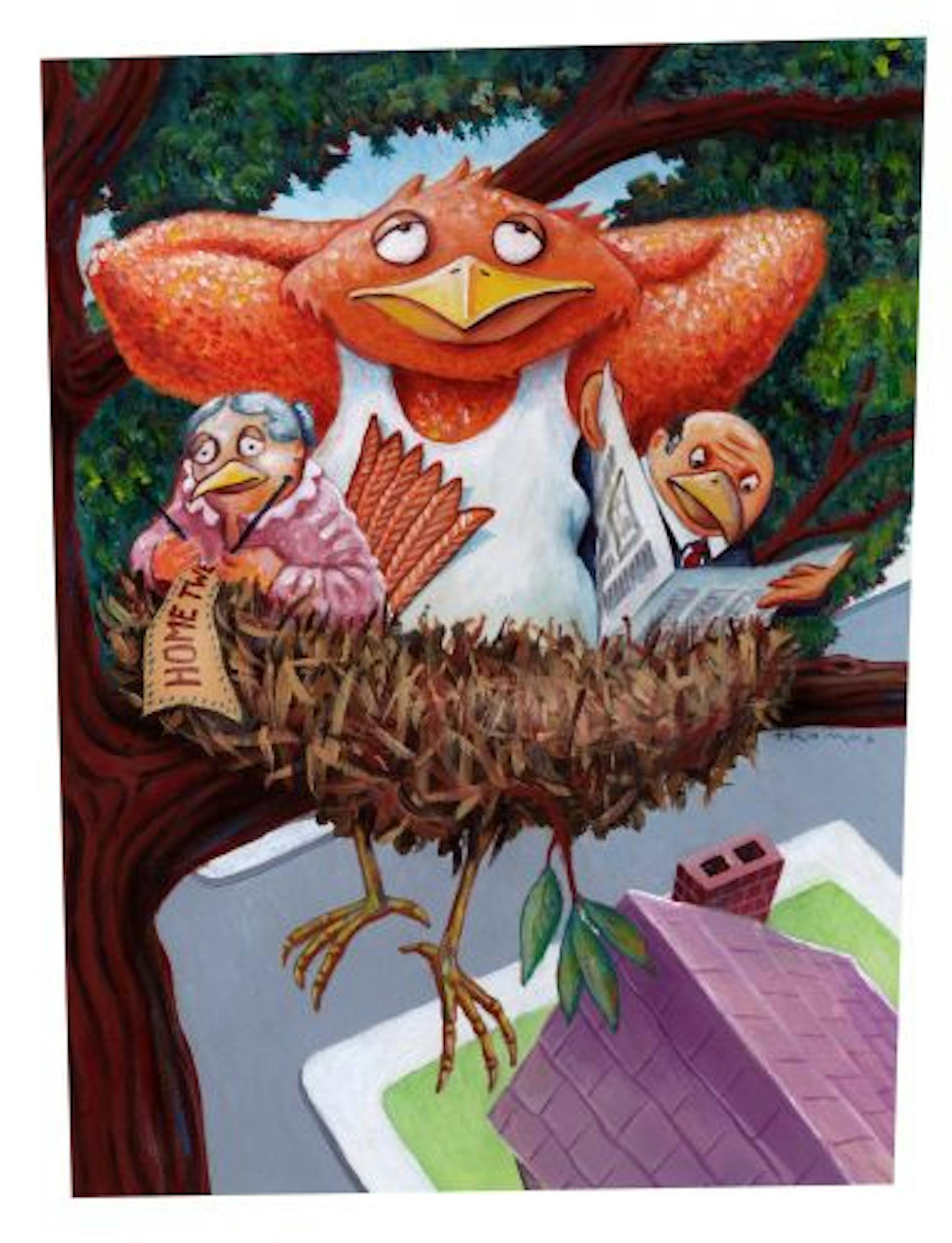
Many parents -- and their twenty-something kids -- can relate. With jobs tight, more parents expecting to turn their children's bedrooms into guest rooms are once again finding their refrigerators empty and their laundry tubs full.
A recent Pew Research Center study found that nearly 20 percent of Americans ages 19 to 34 are living in multi-generational adult households, which in most cases means with their parents. More baby-boomer parents are also finding themselves pitching in to support these so-called "boomerang kids" financially.
The economy plays a big part, as does the trend toward marrying later in life. But experts also point to another sociological shift.
Boomer parents and their children are often good friends, sharing interests and being one another's confidantes. And some parents just really don't want to push them out of the nest.
On top of that, having to move back in with one's parents was considered a penance a generation ago. Not so today.
"This generation is clearly different," Samuels said. "My husband and I would have starved before we moved back in with our parents after college."