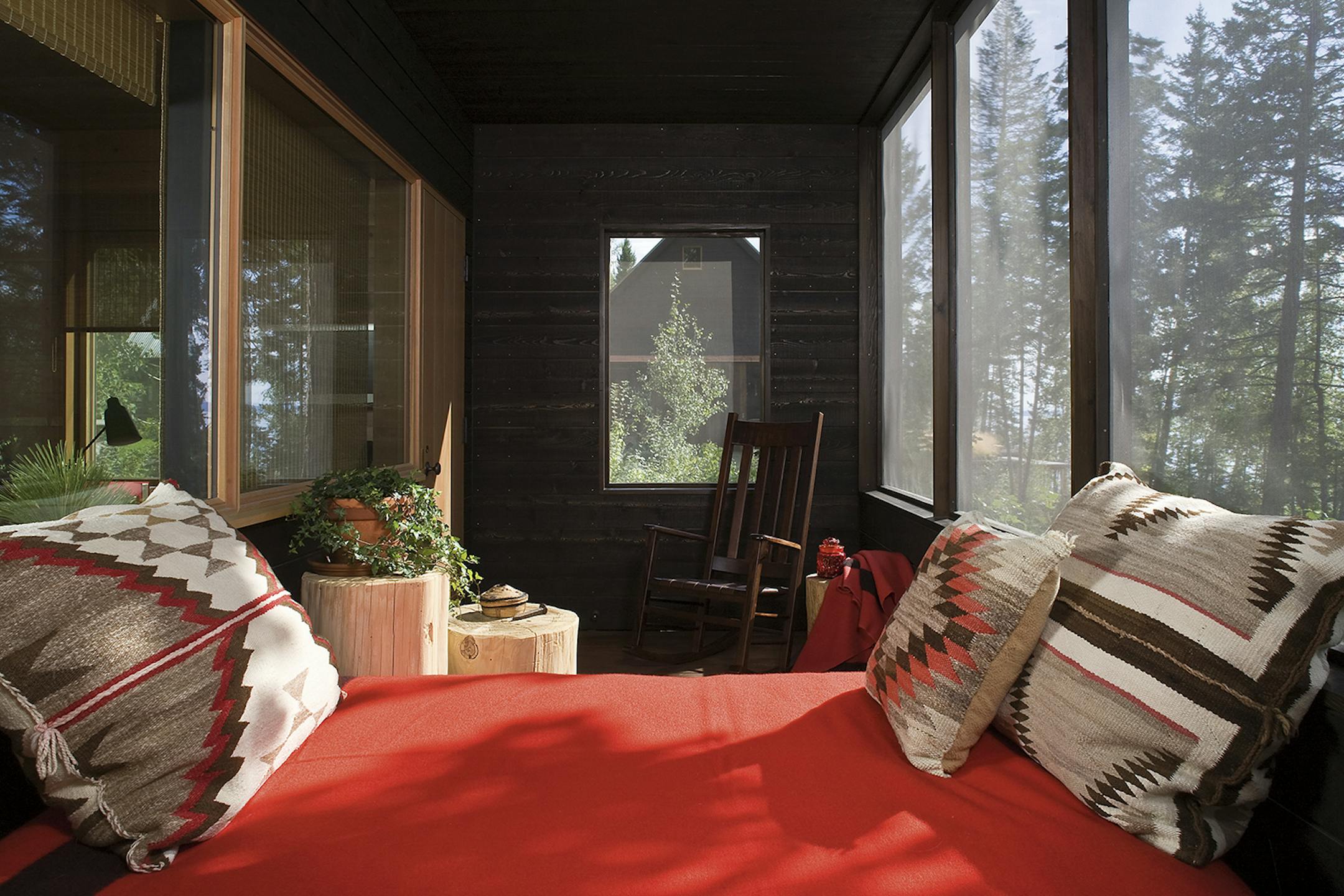
Betsy and Joe Parker of Des Moines had been mulling over the idea of a gazebo in their backyard, but when COVID arrived, they concentrated on creating an additional living space steps away from their three-bedroom home.
At first, they considered constructing a tiny house out of a grain bin, but the thought of hot Iowa summers changed their minds. "We decided that we would find little comfort in a building made out of steel with no ventilation," said Betsy Parker, 40, a manager for an integrated marketing agency serving nonprofits.
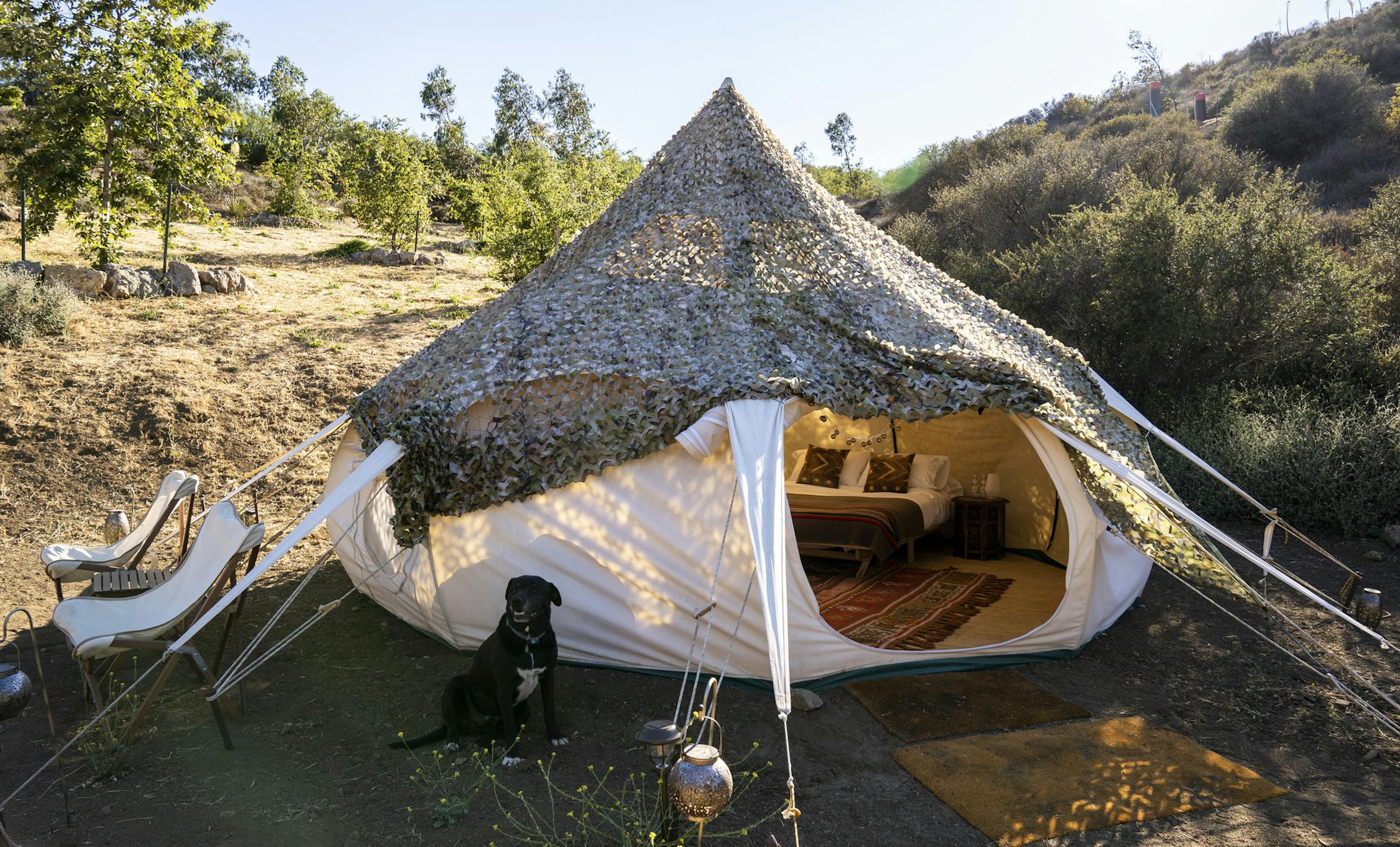
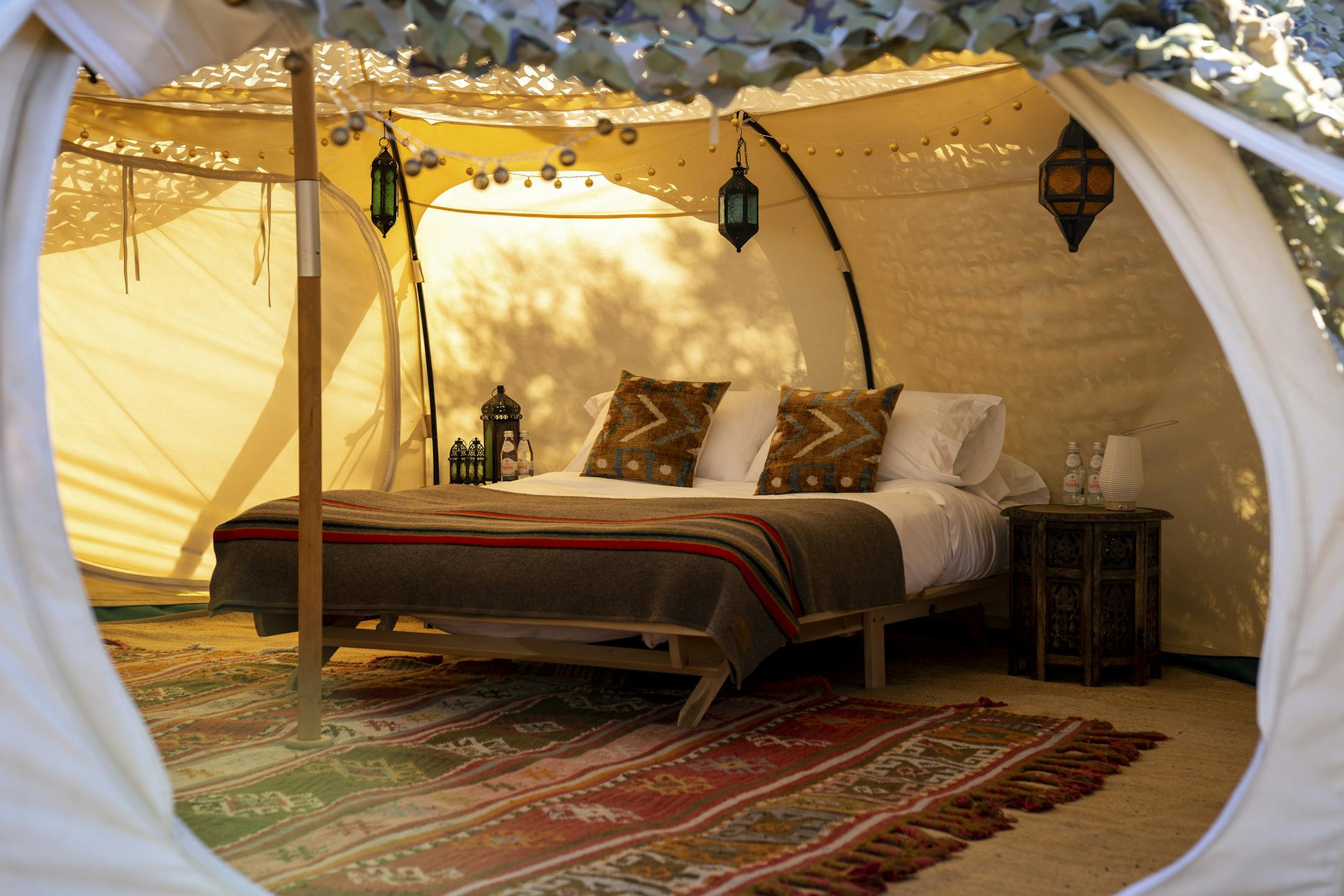
An internet search led them to a $700, 16½-foot-diameter four-season tent with a built-in ventilation pocket for the pipe of a small wood burning stove, which they purchased for about $200 to heat the tent.
Starting last October, they spent two nights a week sleeping outdoors until the seasonal chill eclipsed the stove's capabilities. But as soon as March rolled around, they returned to sleeping in their outdoor bedroom.
"Sleeping outside has been a wonderful addition to our lives that we didn't realize we were missing," Betsy Parker said.
Adopting fresh air spaces for rest has proven health benefits. Studies show it can boost the immune system and reset the body's circadian rhythm, which can be easily disrupted by stress and the blue light emitted by electronic screens.
"One of the treatments which may restore our baseline circadian rhythm is early morning bright light such as natural sunlight which occurs with outdoor sleeping or camping," said Richard Friedenheim, medical director at the Sleep Disorders Center for Abington Hospital Jefferson Health in Abington, Pa.
Designers extol the benefits of back-to-nature design, too.