

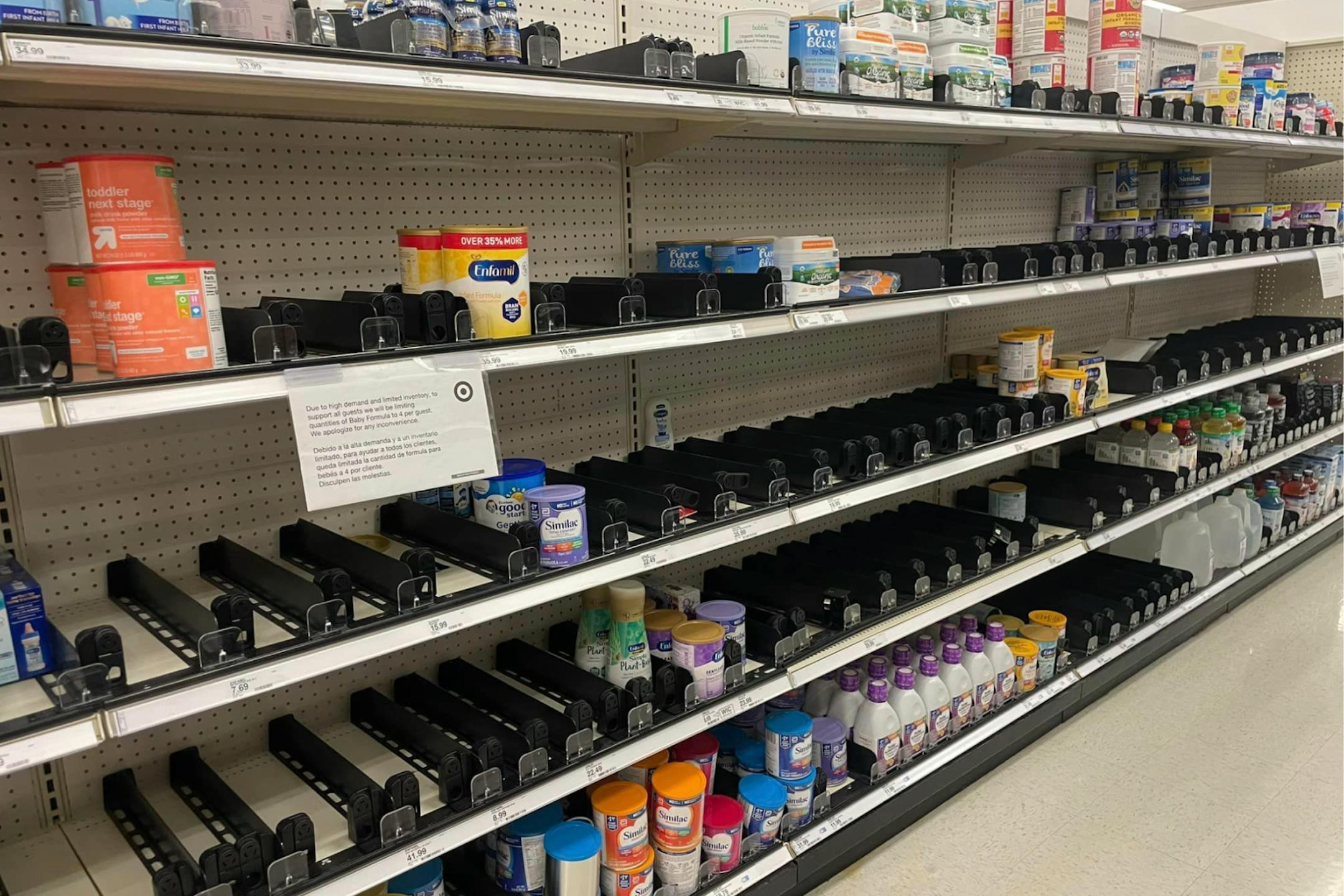
Ten months after a national infant formula shortage emerged, many Minnesota parents say that finding nourishment for their babies remains a second job for them.
"Once I went to five different stores and none of them had the brand," said Angela Johnson of Brooklyn Center, a 31-year-old personal care assistant and mother to an 8-month-old and three older children.
But since the initial shortage, parents across the state have banded together via social media groups to help each other. After Johnson came home empty-handed from her formula hunt, a friend told her about Formula Finder–Minnesota, a local Facebook group that connects families with formula.
"It's nice to have other women and mothers to depend on, and that made it very, very relieving at the same time," Johnson said.
And parents in rural Minnesota have a harder time finding formula than those in the metro area, since products usually arrive in the Twin Cities first. In those cases, parents rely even more on the connections from the Facebook group. While the matchmaking team is based in the metro area, volunteers will often deliver formula if they're driving Up North.
Infant formula is the only option for babies who aren't breastfed, providing the complex nutrition necessary for development. Families spend between $1,200 and $1,500 on formula during the baby's first year of life, according to the U.S. Surgeon General.
"We want the baby to get the full nutrition from breastfeeding or formula, and there's really no substitute," said Dr. Julia Joseph-Di Caprio, founder of Leap Pediatric and Adolescent Care in St. Paul. "Using whole milk before a year of age, or watering down formula, puts children at risk."
About 75% of babies in the U.S. are fed formula by 6 months. More Black and Hispanic parents rely on formula than white parents, 80% of Black households and 77% of Hispanic households.


