

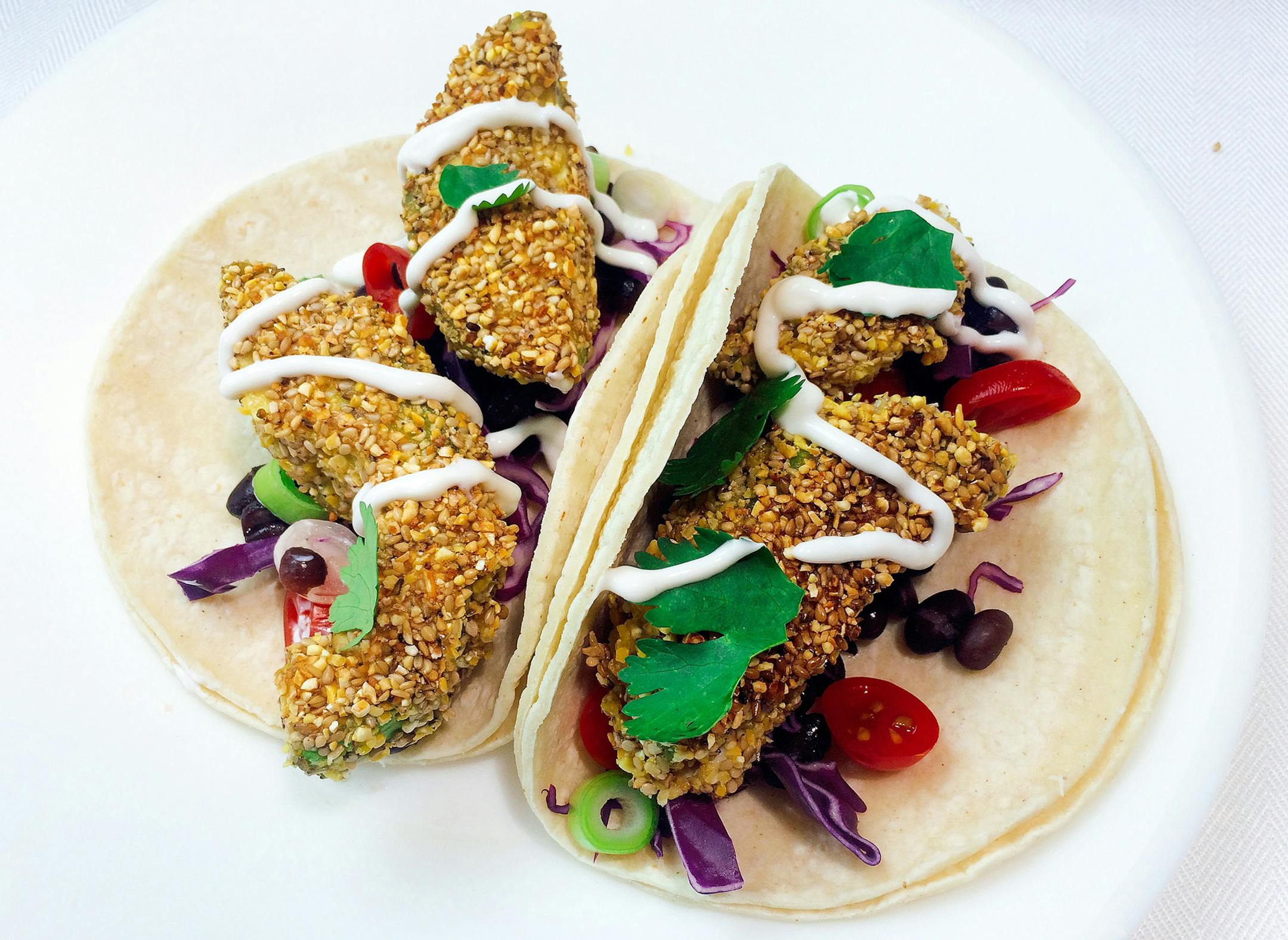
I'm old enough to remember when avocados were exotic. Those were dark days. Our sandwiches were sadly avocado-free, and guacamole was a rare treat found only at what were called "authentic" Mexican restaurants.
Now it seems that the avocado is everywhere. With sales of Hass avocados growing from a billion pounds in 2000 up to 4.25 billion pounds in 2015, the pebbly skinned fruit is on the move. We can thank changes in trade sanctions that allow more avocados to be imported from Mexico.
But open trade would mean nothing if we didn't want to devour all those billions of pounds of avocados. And we do.
Why have we fallen so hard for avocados? My opinion is that, as Mexican food became mainstream, and avocados became easier to get, vegetarians and vegans started putting avocado on everything, and everybody else wanted a bite. When you don't put cheese on your food, the avocado suddenly becomes indispensable. California cuisine is awash in avocado, and that's where food trends come from.
It's the unique taste and texture of the avocado that fuels our cravings. The green fruit can stand in for mayonnaise, smeared on sandwiches and smashed on toast. It can take the place of cheese in a grilled cheese or quesadilla. It can be sliced and tossed with pasta and olive oil, fanned over a salad, or puréed to make a cream sauce with no cream.
Don't limit your avocado to savory pursuits, either. The creamy sweetness of the avocado adds richness to smoothies, puddings and ice creams. You can even use it like butter in brownies and cakes.
Avocados were also popularized by our awakening from the long nightmare that was the fat-free diet movement. Back in the height of fat-phobia, avocados, nuts and olives were considered too fatty to eat.
Now we know that the fats in avocados are the good monounsaturated and polyunsaturated kind, which help you to absorb nutrients, nourish your brain, hair and skin, and even improve heart health.


