

GENEVA – Scientists have found a way to peer into the brains of people with autism: Grow them in a dish.
Aided by stem cell technology that earned Japanese researcher Shinya Yamanaka the Nobel Prize in Medicine three years ago, companies are gaining new insights into the triggers of a social disorder that afflicts one in 68 people.
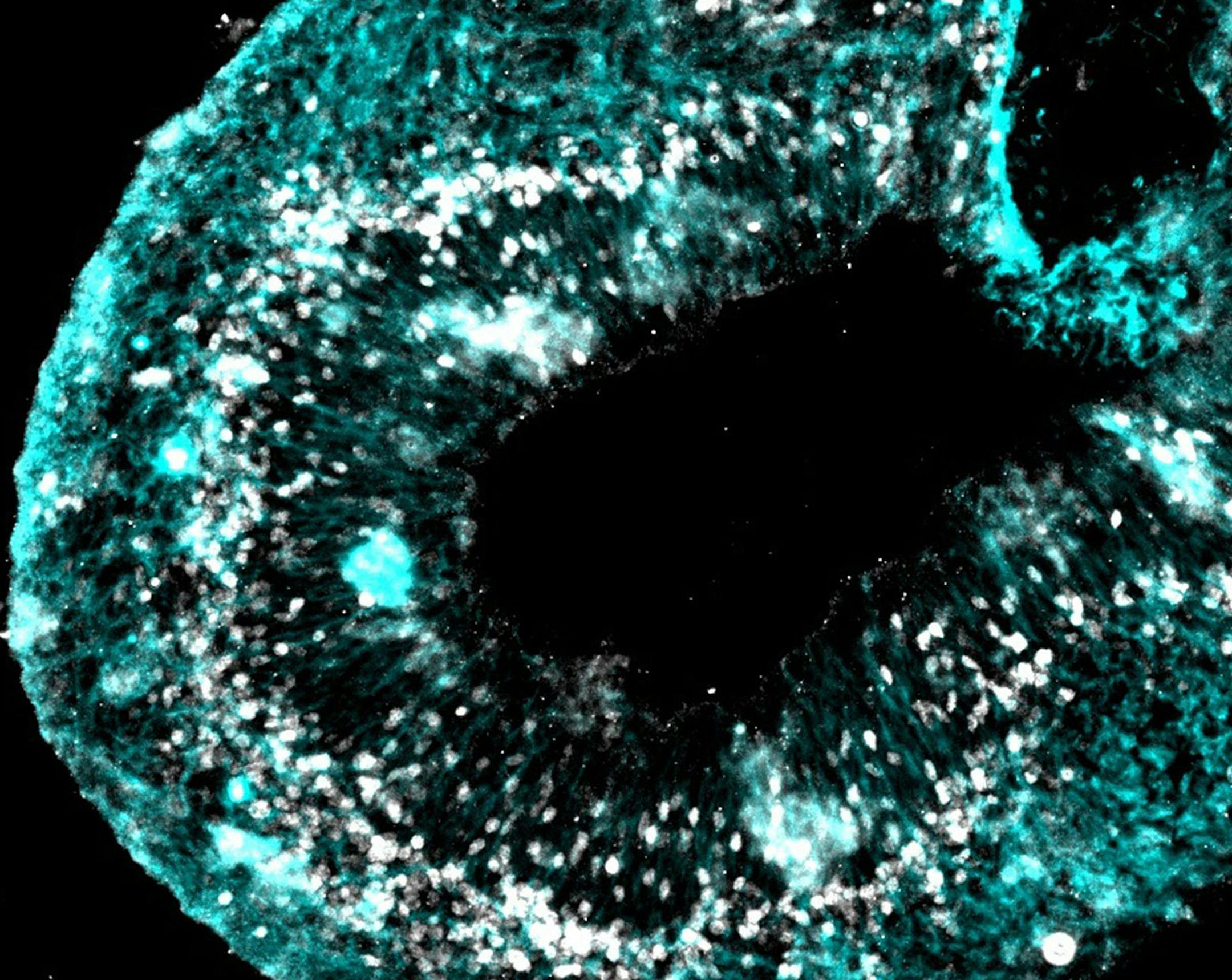
The technique known as induced pluripotency has spurred drugmakers to fund a quest for treatments, a sea change for a disease previously viewed as too elusive to tackle. Scientists can now harvest skin samples from the inner arms and legs of patients and grow them into small pieces of brain-like tissue, allowing them to study how genetic mutations affect brain behavior and gauge the response to drugs.
"The first mover in this space is really going to transform the company that gets it," said Rob Ring, the former head of Pfizer's now-disbanded autism research unit. "It's worth the shot."
Roche, the most advanced in the field, is working with the Harvard Stem Cell Institute and Harvard Medical School to test new drugs for autism using the "brains in a dish." The Basel, Switzerland-based company is separately testing an experimental drug called RG7314 in 225 autistic men, with results expected by the end of next year.
At King's College London, scientists are using brain cells developed from skin to study the so-called excitation-inhibition balance, a chemical equilibrium in the brain that may contribute to autism when disrupted. In a study starting later this year, scientists plan to test a drug approved for neurological disorders in people with autism, after an earlier study in 15 adults suggested it may be able to alter behavior. The college is also working with Roche, Johnson & Johnson, Eli Lilly & Co. and others to develop medicines.
"We used to blame the parents for having autistic children," said Declan Murphy, a professor of psychiatry and brain maturation at King's College who is leading the research. "It's a huge leap in our understanding that actually this is a biologically based disorder."
Ricardo Dolmetsch, the head of neuroscience research at Novartis whose 13-year-old son has autism, said, "The unmet need is gigantic because there are really zero treatments."


