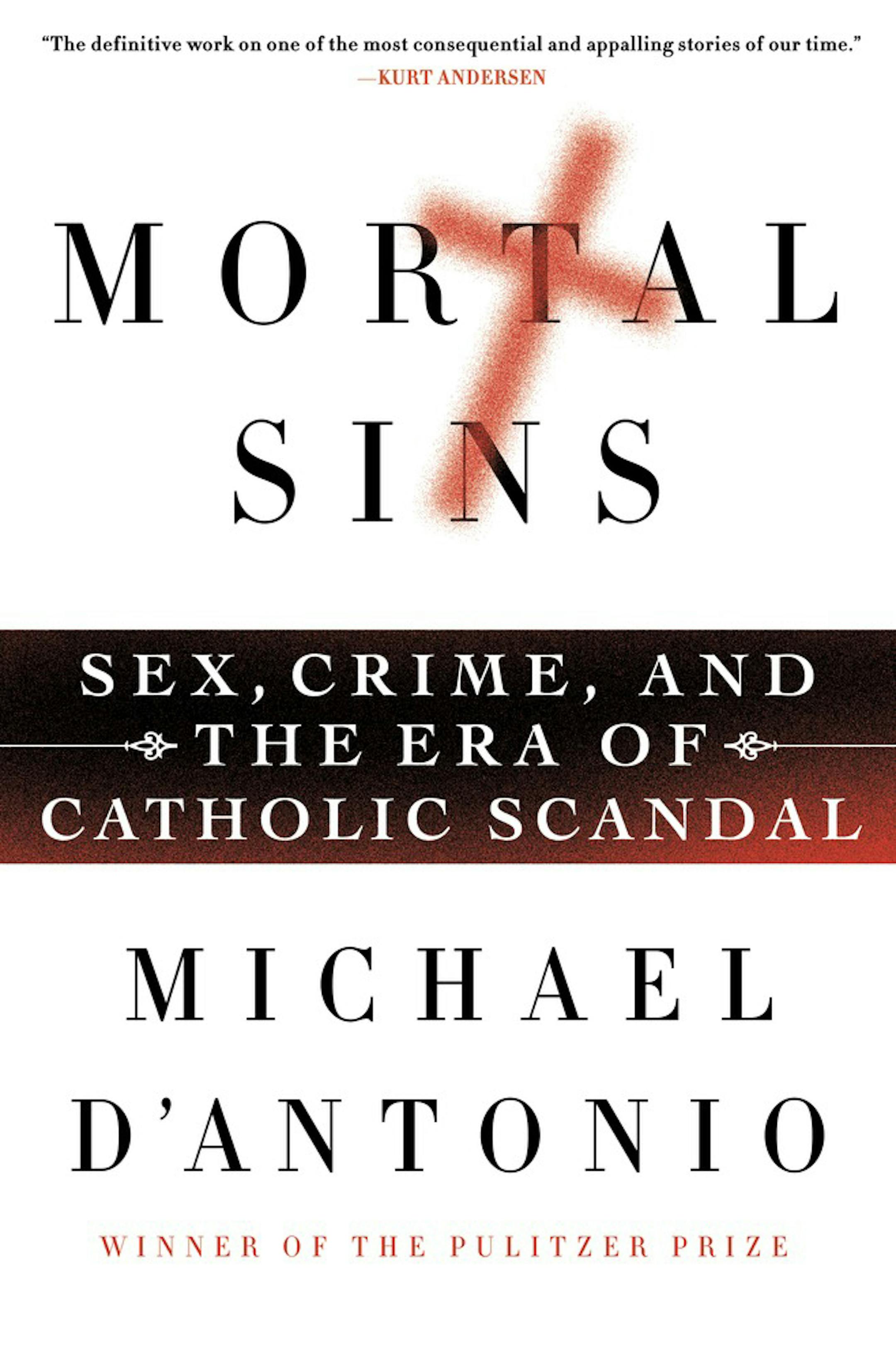
Pulitzer Prize-winning journalist Michael D'Antonio has written books on topics ranging from mosquitoes to golf to atomic bombs. His latest book, "Mortal Sins: Sex, Crime, and the Era of Catholic Scandal," examines the issue of sexual abuse and cover-ups in the Catholic Church. He took a break from his recent book tour to discuss the book's Minnesota connection, why writing is like fishing and the tattoo he'd get if he walked into a parlor today.
Q: "Mortal Sins" dives headlong into a topic that's offensive to some, painful to others and controversial to most. Why did you pick the topic of clergy abuse?
A: There always seems to be a time in our social affairs when it's finally OK to tell the truth; a time when even those who have inflicted grievous harm are ready to talk. The time was right. A book like "Mortal Sins" allows us to look at even the worst things and come out with hope for the future. Plus, I like to challenge myself and challenge the reader, and I think "Mortal Sins" does that.
Q: The clergy sex abuse scandal is a worldwide phenomenon, yet Minnesota seems to be at the epicenter of it all. Why?
A: Minnesotans are extremely nice and willing to trust — but upon betrayal will not be stopped. There's a collective interest in making things better here. There's a wonderful liberal and progressive streak; I think it's something in the soil. So it's not surprising that Jeff Anderson, the main protagonist in this book, is Minnesotan. He's a central figure in this historical drama. There's no cutting him out. In this field of law there's plenty of competition and jealousies among lawyers, yet not a single one contests Jeff is a pioneer.
Q: The book doesn't shy away from discussing Anderson's personal demons and addictions. Why does that play a central role in the book?
A: It's relevant because Jeff uses all of himself in his practice. When he's deposing someone who's committed a crime against children, and that person is denying, defending and deflecting, Jeff knows where that person is coming from because he too has denied, defended and deflected. On the other hand, his recovery, which is also portrayed in the book, allows him — and others — to realize these men didn't have to do what they did. There are things they could have done. There were ways out.
Q: Anderson has discussed "rigorous honesty" — his unflinching penchant for telling the truth in his own life, since he expects the same from those he works for and against. That honesty is embedded, often shockingly, in the book. What's it like to work with someone like that?