The studies seem counterintuitive, even baffling.
"Kids Are Depressing, Study of Parents Finds," read one typical headline, about a sociologist's 2006 discovery that parents are more likely than nonparents to battle the blues.
Similar findings have piled up in study after study. Almost across the board, people with children report feeling less happy than those without. The idea that children could be sources of unhappiness seems to overturn cherished cultural beliefs. Aren't children supposed to be bundles of joy?
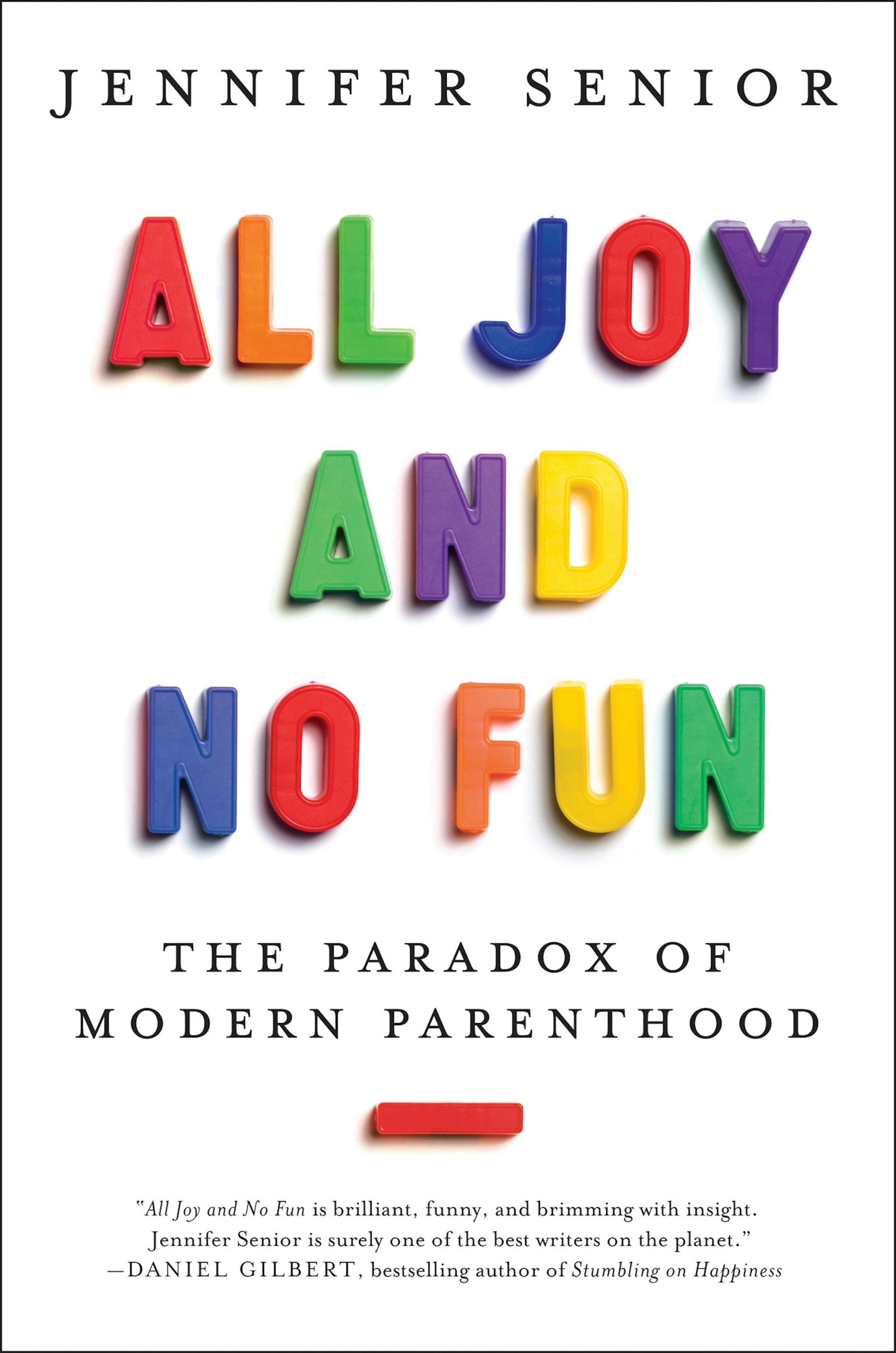
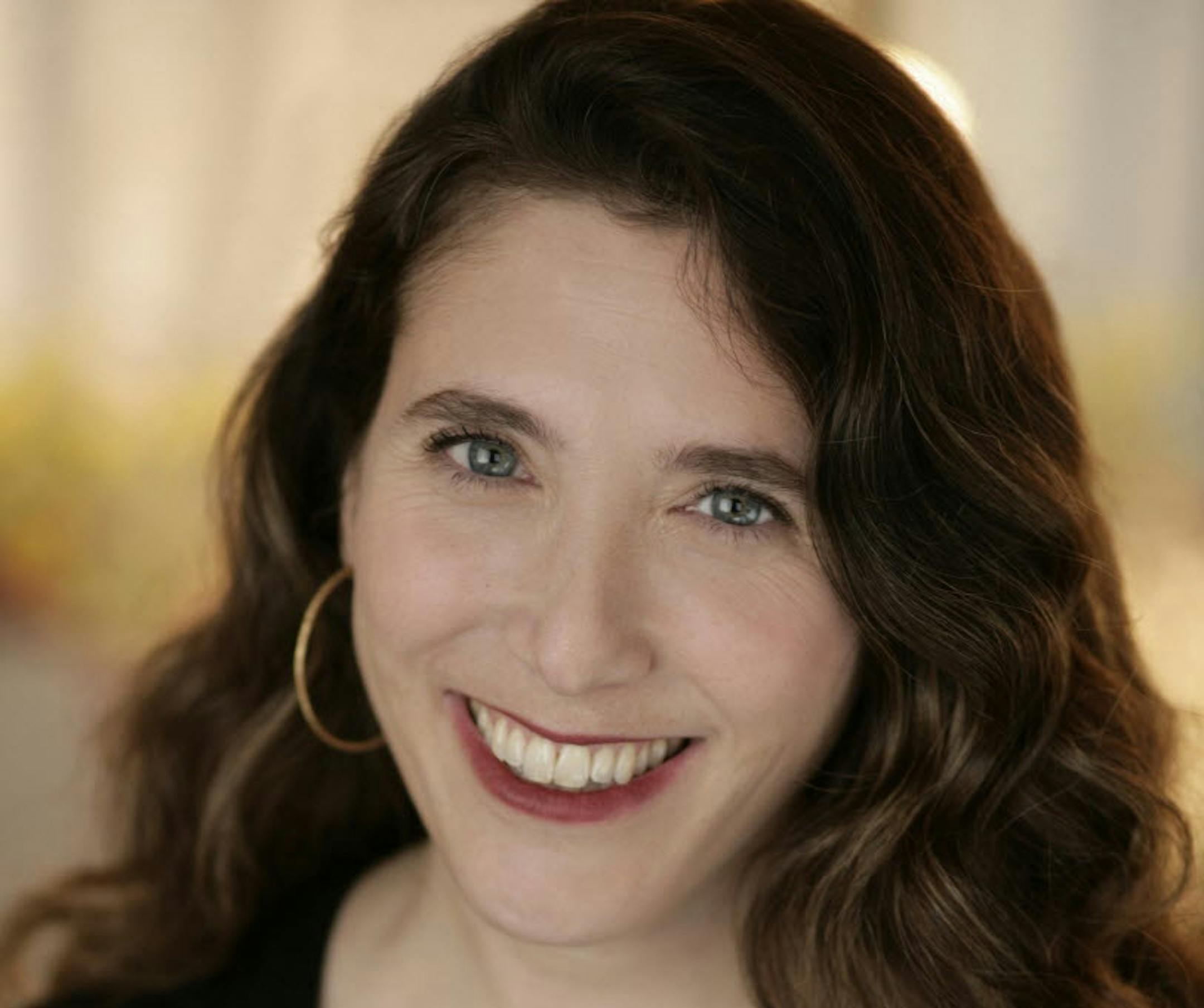
Actually, they're a little of both, writes journalist Jennifer Senior in "All Joy and No Fun: The Paradox of Modern Parenthood." The book combines scenes from average families' lives — including Minneapolis families the author met through local Early Childhood Family Education classes — with social science revelations and Senior's own insights to explain why mothers and fathers experience such confusing ambivalence.
Senior identifies plenty of reasons kids can be a drag. They interrupt parents' work and sleep, defy their rules, strain their marriages, saddle them with drudgery, cost them hundreds of thousands of dollars, fill them with anxiety and guilt and worry.
But she also captures a more elusive and positive side of parenthood. Lost in the objective data measuring ephemeral pleasures, she argues, are richer rewards, including a deep sense of purpose.
Senior will appear at Talk of the Stacks on Tuesday at the Central Library in downtown Minneapolis. We spoke to her by phone about Minnesota parents, the value of transcendent moments and which parenting emotions feel unsafe to admit publicly.
Q: A few years ago, when research started coming out showing that parents were less happy than people without children, everybody seemed surprised. How did you react when you first heard about it?