Long before there ever existed a county called Dakota, while Minnesota was still just a territory, a community's survival depended on a fresh, local food source.
In 1855, the people who lived off the rich, fertile soil of what is now Eagan had never heard of pesticides, herbicides or any other "'cides." There was no such thing as urban sprawl. There was an abundance of land. And there were the Diffleys.
That's the Diffleys of Eagan's "Diffley Road," to be precise. More than a century ago, on the corner of Dodd Road and what is now Diffley Road, William and Katherine Diffley settled a small homestead and began to cultivate 120 acres of land that lies between Diffley Road and what is now South Robert Trail. The Diffleys, who grew grains and vegetables and raised dairy cows, had a working relationship with soil, water and seed that produced an abundant crop that neighbors depended upon.
The history of Eagan and the Diffley family history are so intertwined, one would be hard-pressed to speak of one without mention of the other.
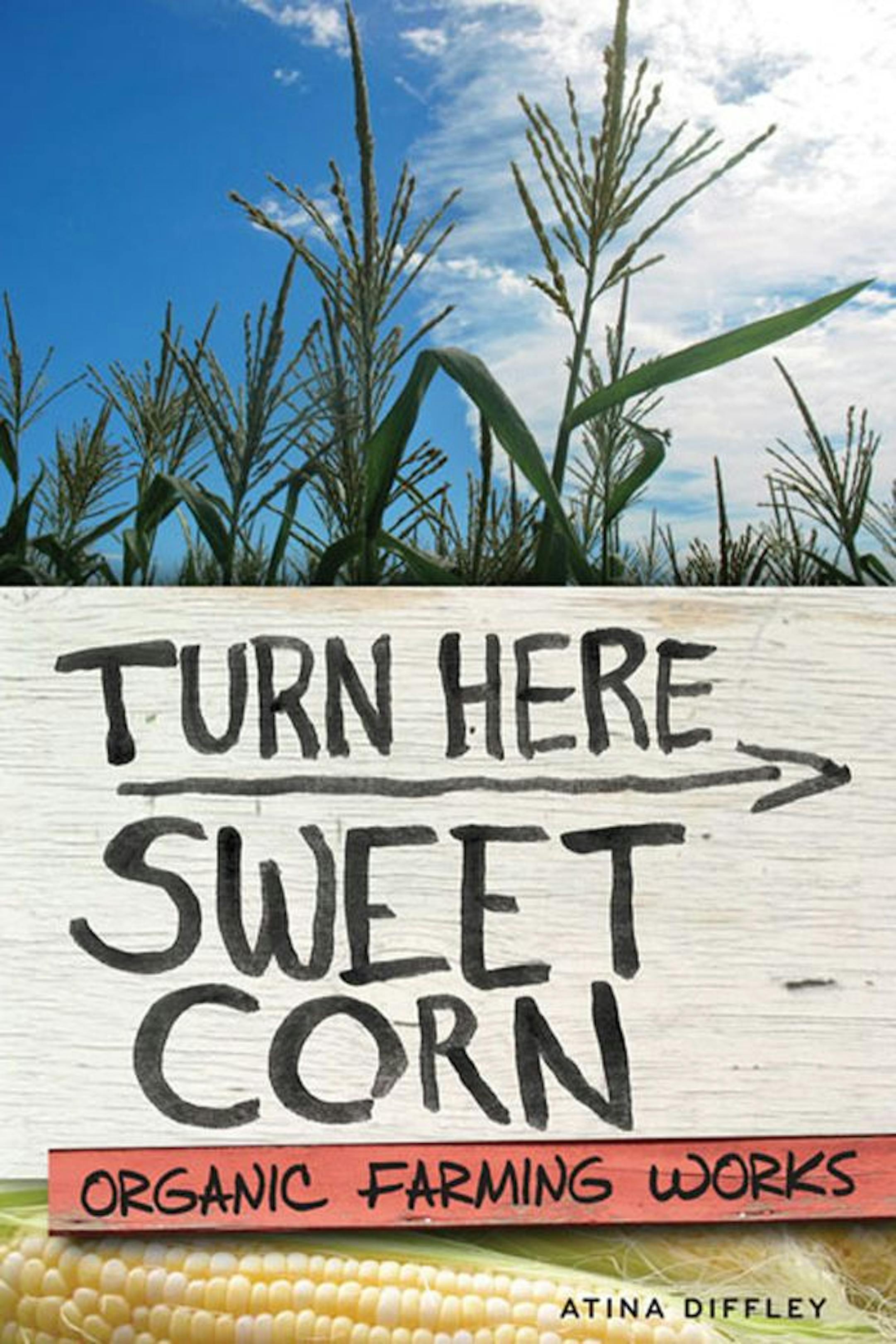
On April 1, Atina Diffley, who, with her husband, Martin, carries the organic family farming torch to this day, released a book about her own relationships with nature. "Turn Here Sweet Corn: Organic Farming Works," has already been praised as a compelling, yet sometimes tragic, story of her life as an organic farmer.
Pitfalls galore
Today, Atina and Martin are considered experts on organic farming, a status they've attained despite facing unfortunate circumstances over the years.
Perhaps the most daunting, and most well known, was in 2006, when Anita took on Koch Industries, one of the largest private oil companies in the United States, when the company tried to build a crude-oil pipeline that would effectively destroy the farm, called "The Gardens of Eagan" -- a name kept from the former Diffley Road property and used where they were then farming in Eureka Township.