

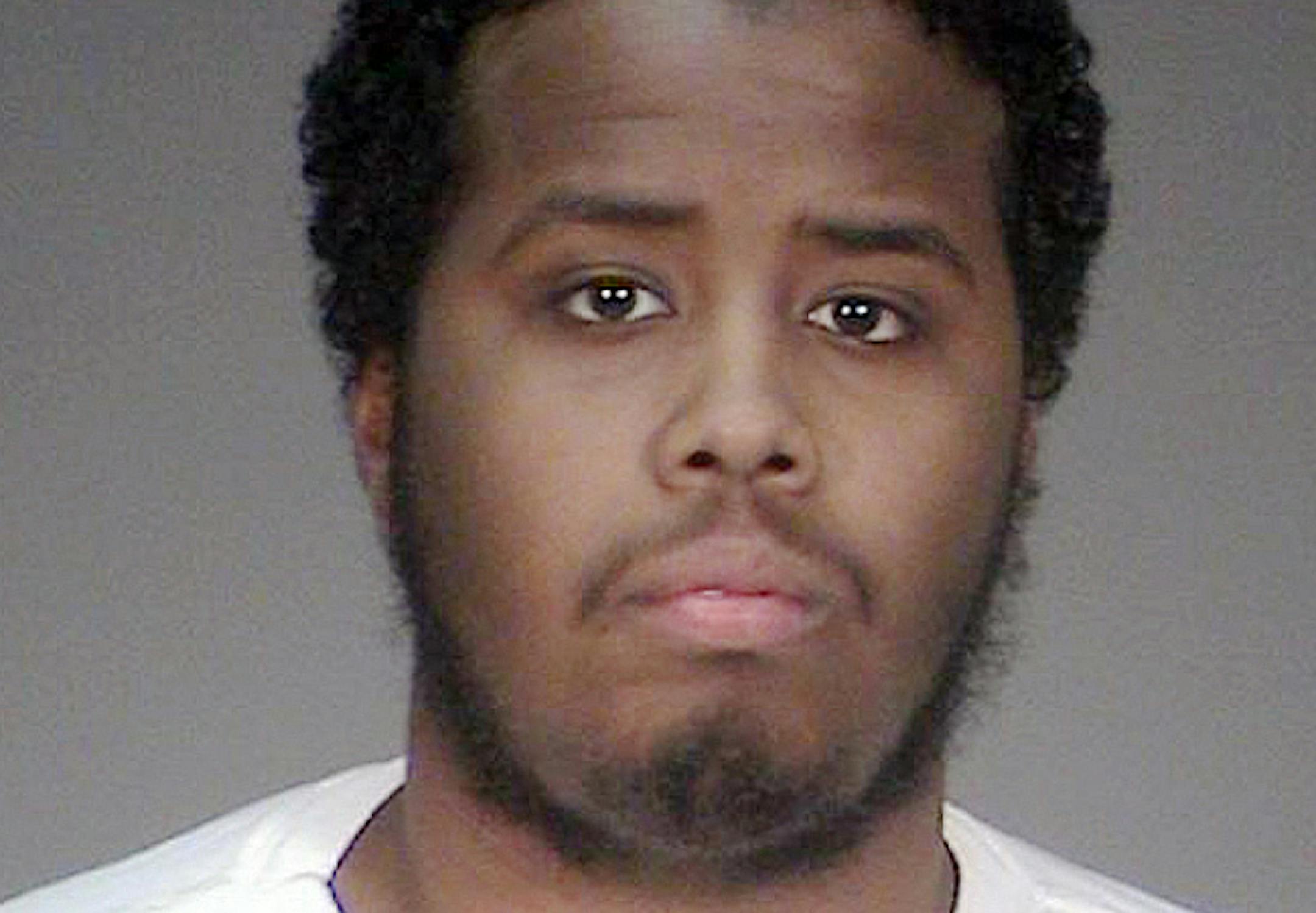
The attorney for one of three Minneapolis men charged with plotting to support the terrorist organization ISIL has asked to leave the case, just days before it heads to trial and amid an outcry from the defendant's family over his representation of their son.
Attorney Murad Mohammad filed the request under seal Thursday, a day after U.S. District Judge Michael Davis denied his motion to be paid by the court because the family of Mohamed Farah, could no longer afford his fees.
Farah's parents, Ayan and Abdihamid Farah, meanwhile pleaded for Davis to appoint their son a new attorney before the trial, for which jury selection is scheduled to begin Monday. Late Thursday, Davis ordered that a hearing on Mohammad's motion take place at 9 a.m., Monday.
The rift between the attorney and the Farah family was triggered by Mohammad's insistence that pleading guilty to conspiracy to commit murder abroad — which carries a possible life sentence — was the best option for their son outside of trial, they say. Some of Farah's supporters have concluded that with that charge, the government is accusing the men of committing murder, not just conspiring to do it when they reached the battlefield.
"How can you accept something you did not commit?" Abdihamid Farah said Thursday. "You did not murder anybody, you never carried a gun."
Mohammad did not respond Thursday to messages seeking comment.
Farah's parents say he met with his attorney this week in the Sherburne County jail, accusing Mohammad of not taking the case seriously and asking that he withdraw as his attorney. Farah's parents said he has since been placed in solitary confinement at the jail. The U.S. Marshals Service could not be reached for comment on that claim; when similar allegations were made last year by co-defendant Guled Omar's family, the Marshals Service said Omar was placed in "administrative segregation" for his own protection 23 hours a day, at the FBI's behest.
Farah, 22, and his younger brother, Adnan, 20, were the only two defendants in the federal investigation who retained private attorneys. The other defendants, six of whom have pleaded guilty, were appointed lawyers under the Criminal Justice Act (CJA), a provision that guarantees representation to defendants unable to afford attorney fees.


