

In the newspaper business, they say nothing beats shoe-leather reporting. That means getting out there on the scene. Knocking on doors. Pulling documents from the courthouse. Getting reluctant people in the know to talk.
A classic case of such shoe leather was my Atlanta Journal-Constitution colleague Bill Rankin's four-minute-and-45-second walk in August 1996 from a row of pay phones in downtown Atlanta to Centennial Olympic Park. In that hike, Rankin traced the path from where a bomb threat was called in to 911 to the site of the deadly explosion that occurred in the early morning hours of July 27, 1996.
Rankin's reporting, his five-block walk, and his basic understanding of physics — that a person can't be in two places at once — ended with him writing a front-page story headlined, "Timing indicates Jewell didn't make bomb threat."
It was the first public break in the case that went Richard Jewell's way. And it gave Jewell's defense team an opening to fight back against federal authorities who were investigating the security guard as the possible Olympic Park bomber.
Jewell's story is well-known and tragic, a cautionary tale for both law enforcement and the media. Jewell was famously made infamous by this newspaper after we reported that he, the man who found the pipe-bomb-filled backpack at the crowded park, was being investigated as the one who planted it. The feds believed he fit "the profile of a lone bomber" and was a wannabe cop who longed to be a hero.
The story set off a media feeding frenzy that placed Jewell in a crucible where in the space of a few weeks, he went from unknown guy to modest hero to suspected villain to wronged man. He died in 2007 at age 44.
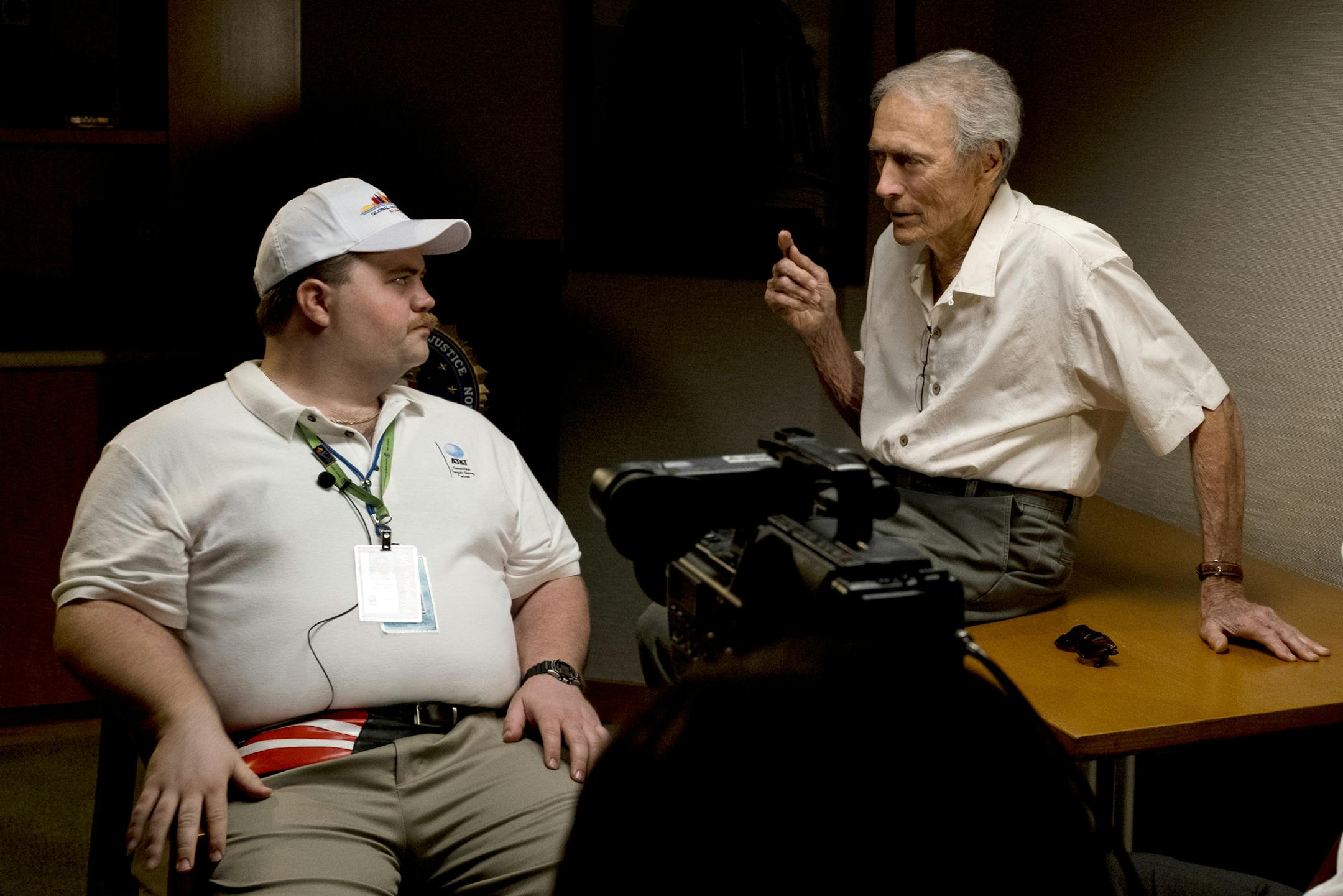
Now there's a new movie, "Richard Jewell," directed by Clint Eastwood that takes to task both the feds and the media. This newspaper in particular has been much-criticized for breaking the story that the FBI was investigating Jewell, and for not revealing its sources. After 15 years in court, the Atlanta Journal-Constitution prevailed because it printed the truth, as ugly and as messy as it all was.
Eastwood's movie has been disparaged by some for portraying AJC reporter Kathy Scruggs as a stop-at-nothing journalist who'll even have sex with a source to get a story. The movie, however, does a great job of portraying Jewell as a salt-of-the-earth fellow who just wanted to do his job. It is wonderful to see him get his due.


