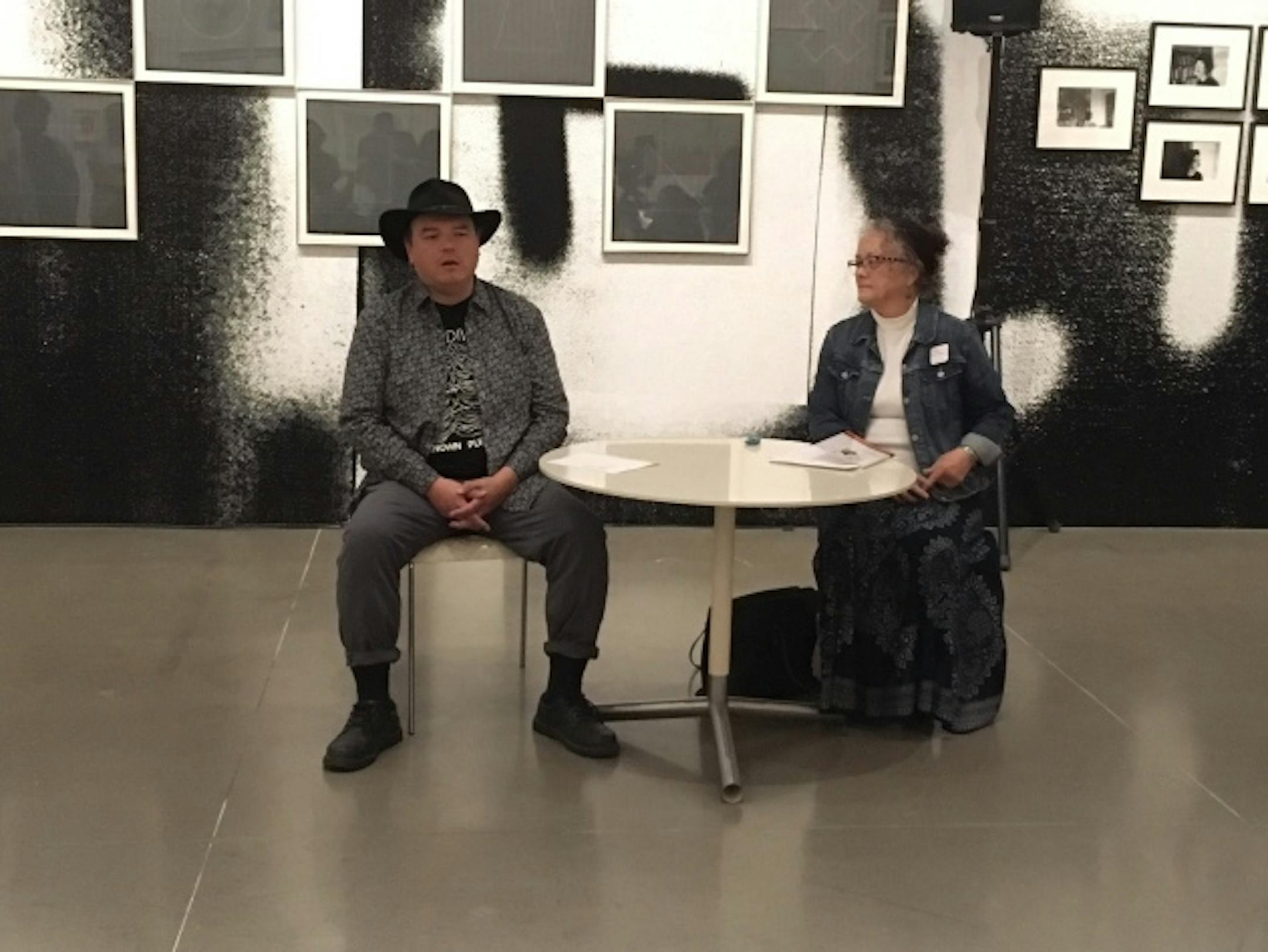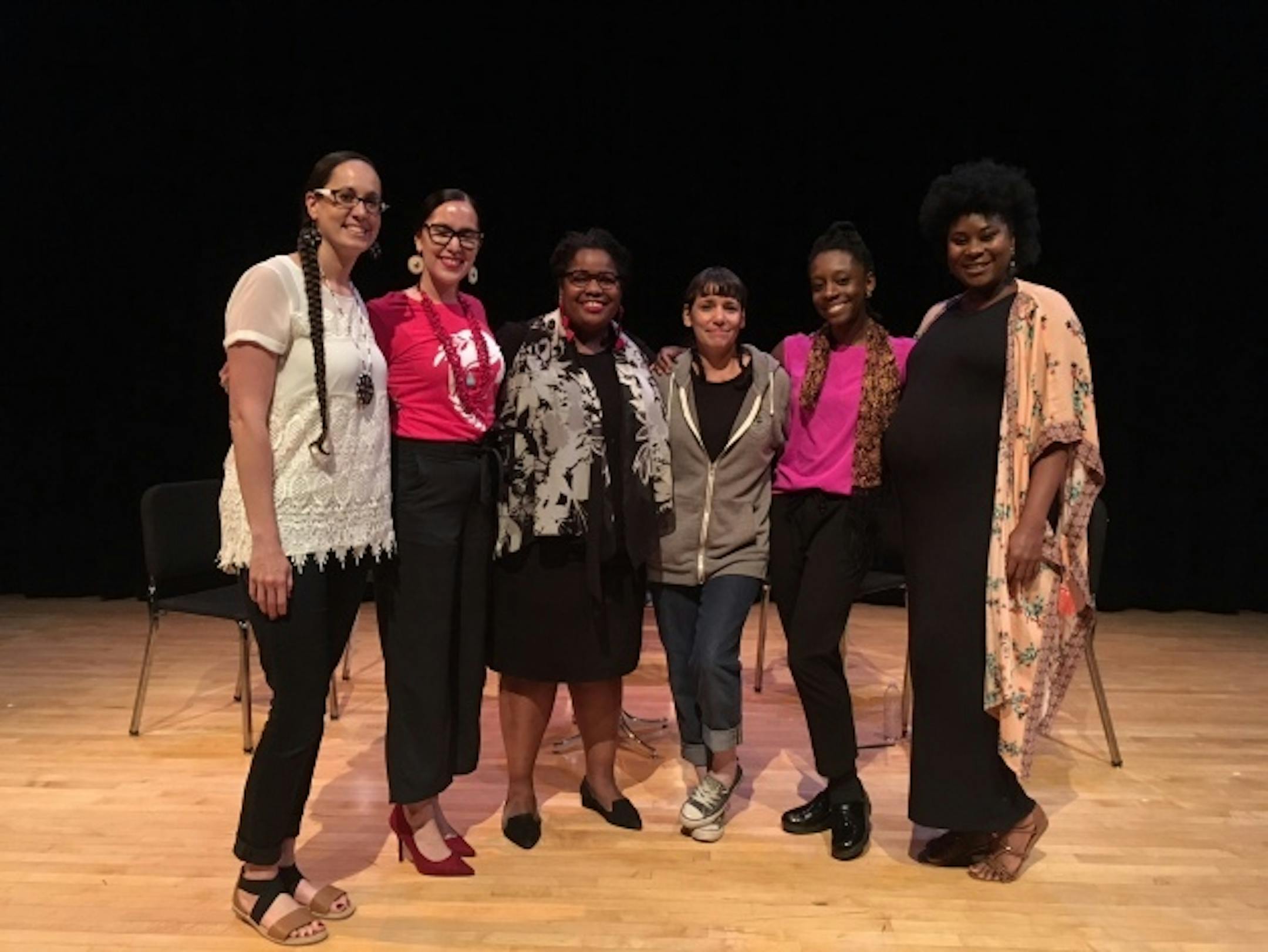
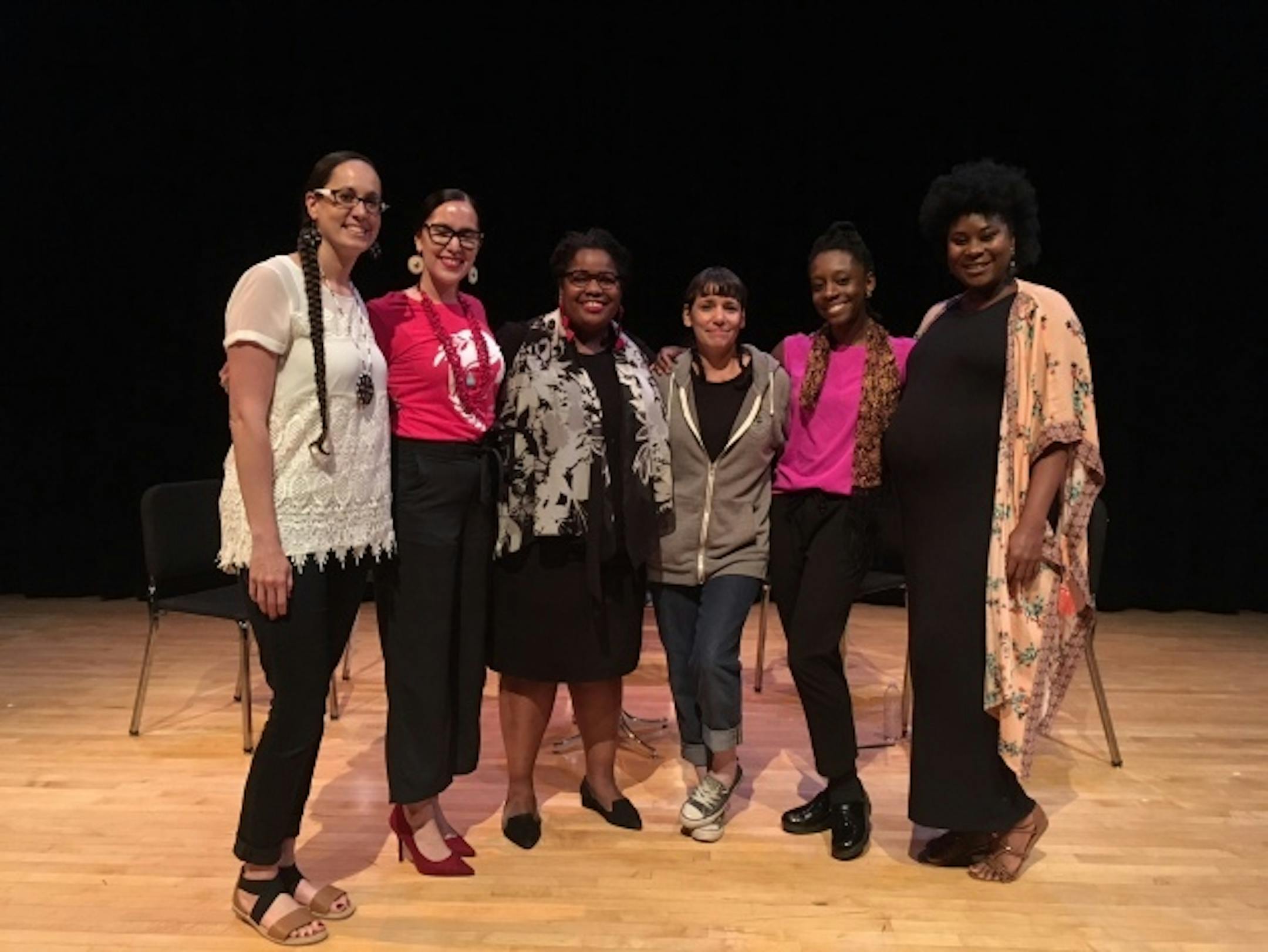
From left: Dyani White Hawk, Sasahehsaeh Pyawasay, Crystal Marie Moten, Rosy Simas, Alanna Morris-Van Tassel, and Jovan Speller. All photos by Alicia Eler for the Star Tribune.
"I think of home more as a feeling than a place," said artist Jovan Speller's mom, Carolyn Cobbs.
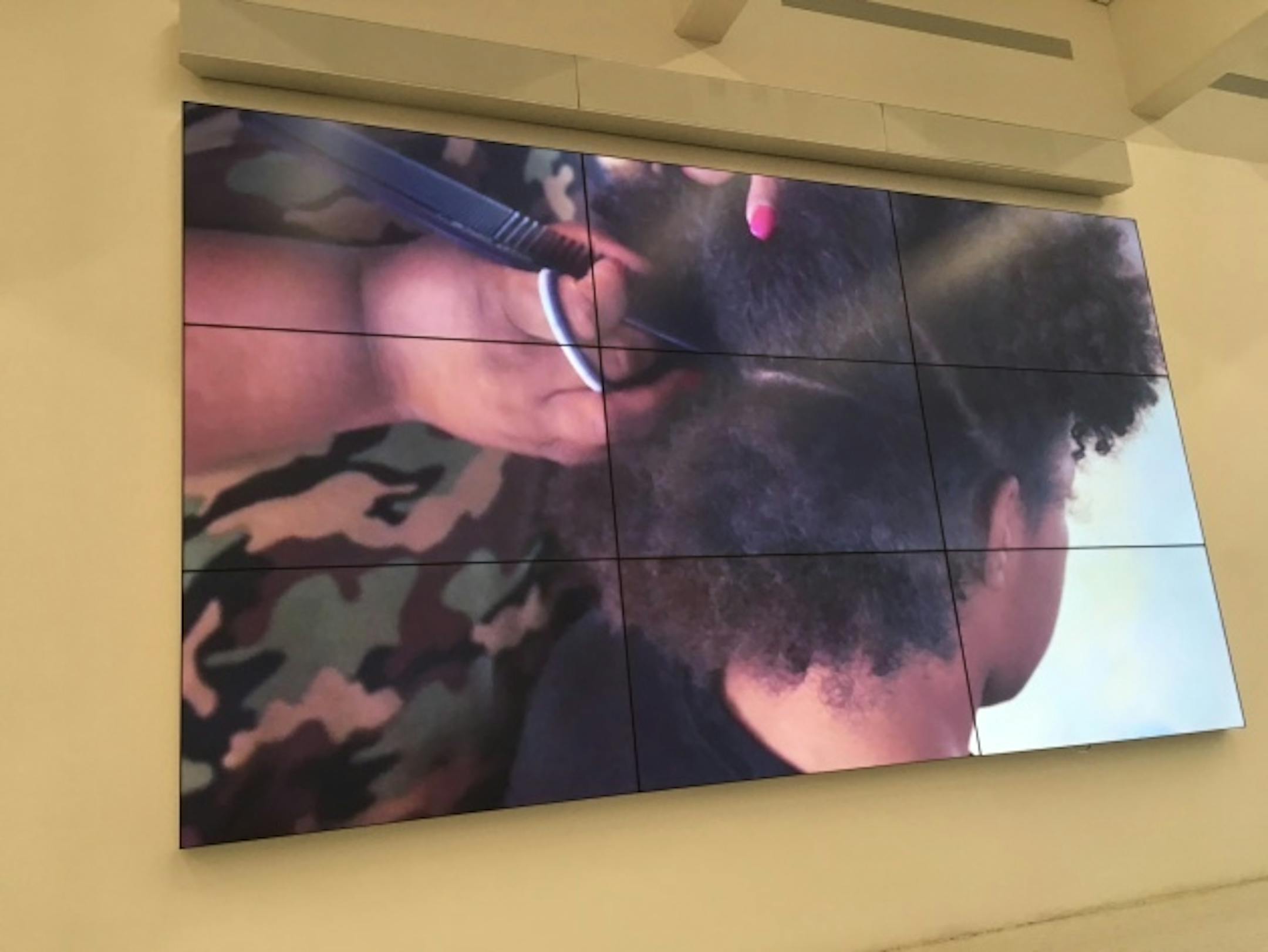
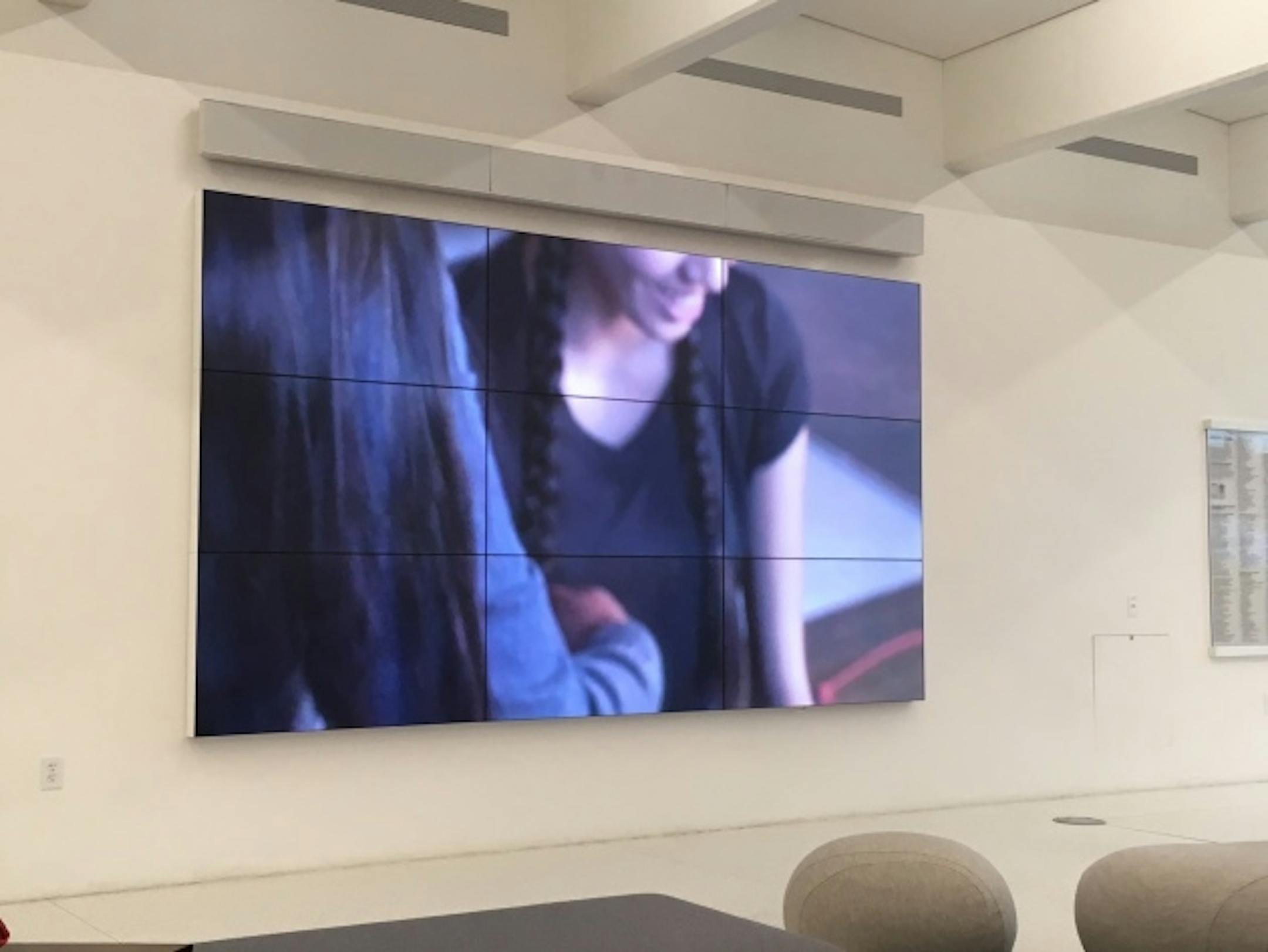
Cobbs is one of two voices, along with the mother of artist Dyani White Hawk, Sandy, heard in a 30-minute film called "Braids." Weaving together ideas of home and the braiding ritual, it played on a loop at Walker Art Center May 3 as part of "Choosing Home: A Right, a Privilege or an Act of Trespass," presented by the Walker's Mn Artists program and guest curator Speller.
The evening event continued discussions about centralizing indigenous voices at the museum following last spring's "Scaffold" controversy. A panel discussion focused on two groups of people: those who "have been systematically and strategically eliminated, removed, and disappeared from their indigenous homelands in the U.S., and those who were stolen, sold, transported, and exploited within the U.S., far away from their African homelands," according to the program.
White Hawk and artists Alanna Morris-Van Tassel and Rosy Simas joined a lively conversation with Crystal Marie Moten, assistant professor of history at Macalester College (focusing on 20th century U.S. and women's/gender studies and African-American women's history) and Sasahehsaeh Pyawasay, enrolled member of the Menominee Nation, who has a Ph.D. from the University of Minnesota in organizational leadership policy and development.
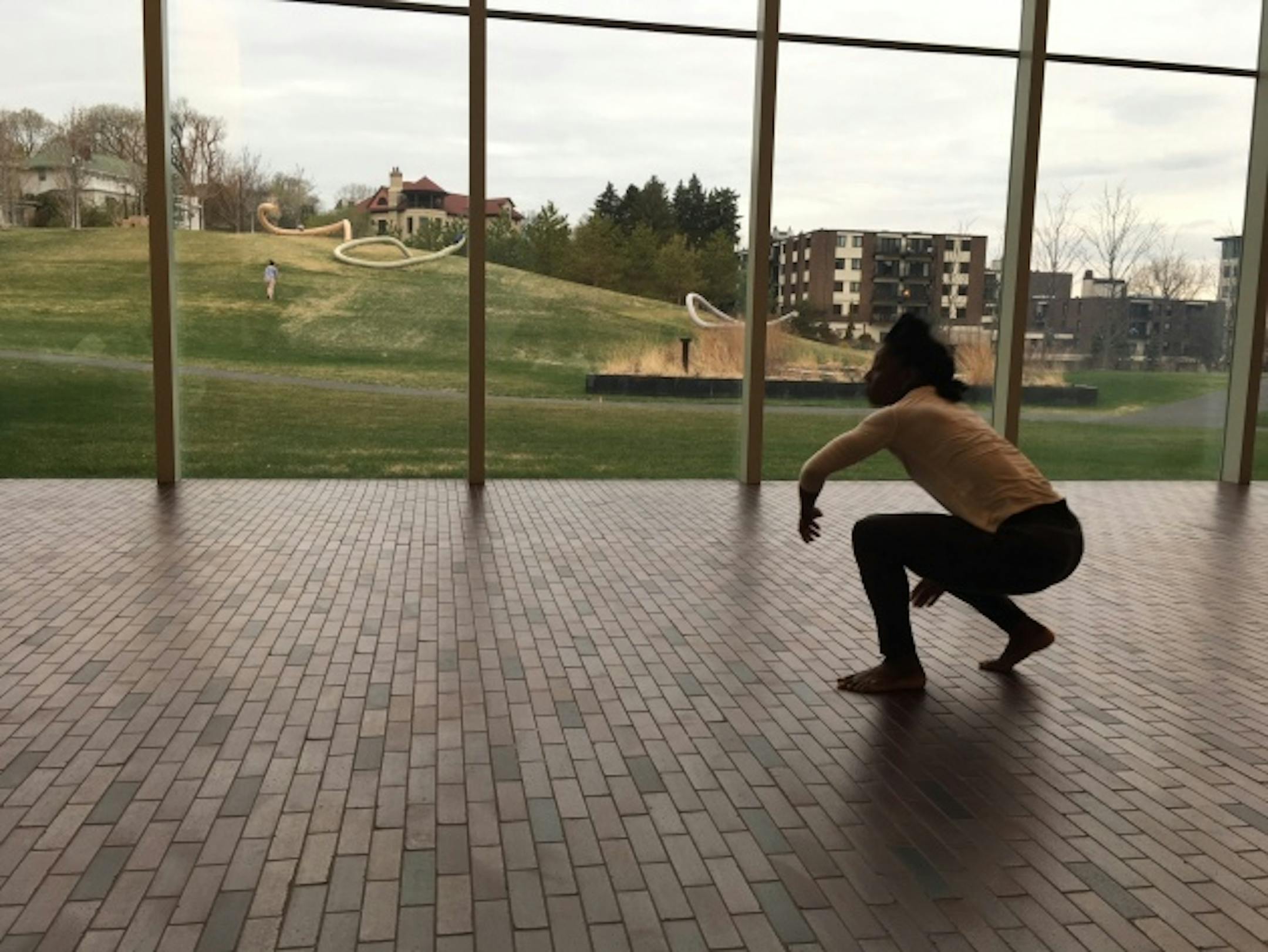
Above: From Alanna Morris-Van Tassel's performance "Yam, Potatoe an Fish!" at the Walker May 3
The panel raised questions about the role of the institution in bringing more native/indigenous artists into the space, and about understanding America's history of colonialism. In addition, Simas, Morris-Van Tassel and White Hawk each presented performances that harkened to their cultural histories and relatives — Simas is Seneca, White Hawk is Dakota, and Morris-Van Tassel' family emigrated to the U.S. from Trinidad & Tobago.
One of Moten's questions that evening focused on how the artists have been able to reconcile history within their art practices.