

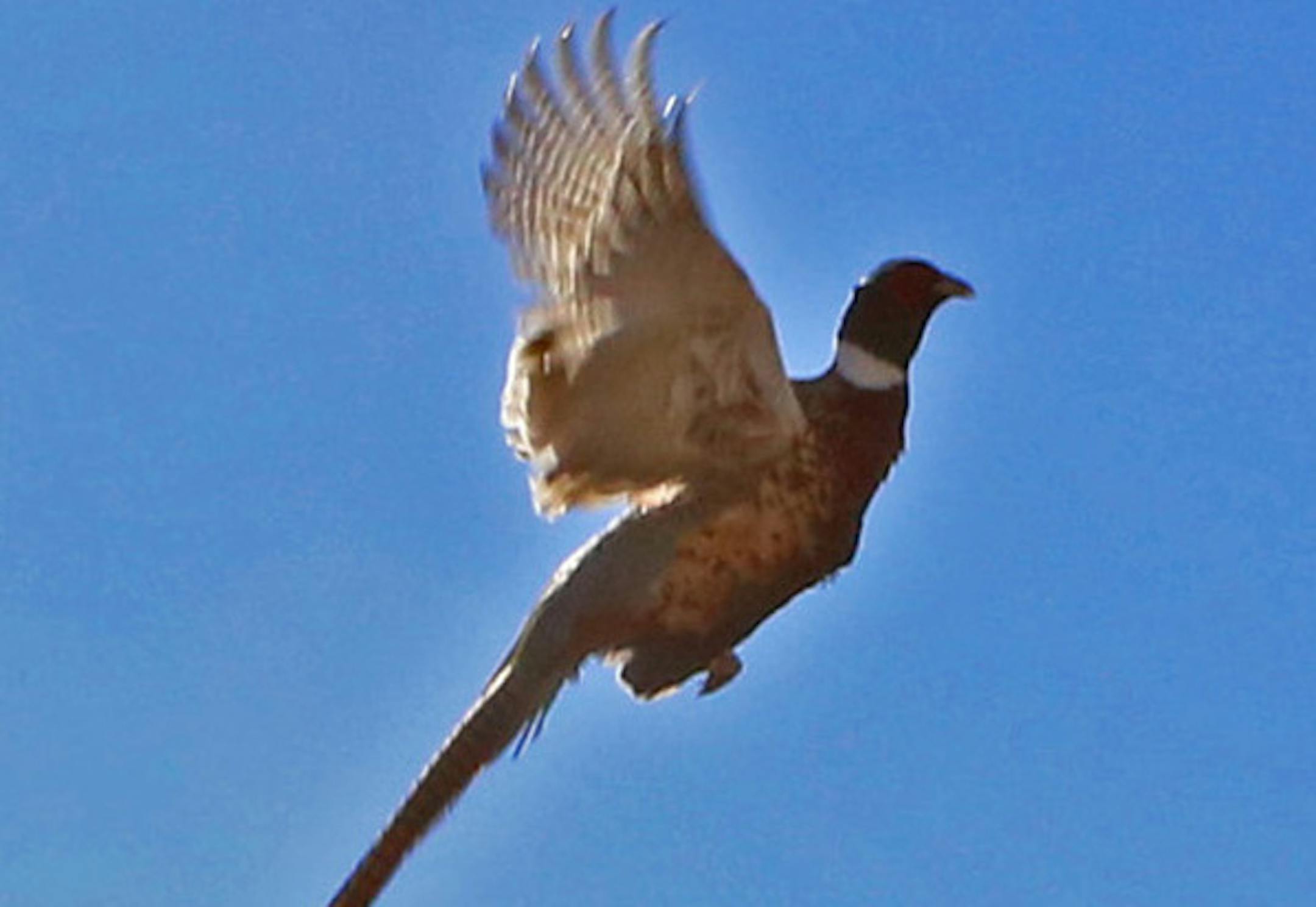
In advance of the Pheasant Summit to be held Saturday in Marshall, upland hunters appear to be split into two camps.
One suggests the effort is a waste of time, and that any benefit of the gathering will accrue not to pheasants, but to Gov. Mark Dayton and his Department of Natural Resources, whose appearances and words will create the illusion of something good happening while, in fact, little or nothing will come of it.
The other camp doesn't necessarily disagree but figures it can't hurt, and perhaps might help, to put concerned parties in one place on a winter Saturday to discuss farmland conservation.
Some observations:
• Minnesota office holders have spent the past 150 years ensuring that the state's conservation advocates are at a substantial political disadvantage to development and agriculture advocates.
• Simplified, the scheme works this way: Business and agriculture have significant influence with the governor and Legislature, and both, in turn, control the Department of Natural Resources (and partner agencies). The result: Notwithstanding the hand-wringing of state conservationists over the years, more than 85 percent of wetlands in the state's south and west have been drained and replaced with cropland. Ditto most of its native prairies. The metro also has its share of environmental problems, many of which it washes downstream.
• Historically, most Minnesotans haven't cared about these losses. But that's changing, now that some of our lakes are too contaminated for swimming, some of our wells pump nitrates as well as drinking water, and some of our rivers carry toxic mixes of farmland chemicals.
• These Minnesotans are beginning to understand what waterfowl hunters and upland hunters have known for generations: that the way we treat our land is the way we treat our water; that the two are inextricably linked. This growing awareness raises political risks for politicians who remain ignorant of, or in denial of, these facts.


