"Everyone has a listening point somewhere. It does not have to be in the north or even close to the wilderness, but some place of quiet where the universe can be contemplated with awe." — Sigurd F. Olson (1899-1982)
On a bright, promising summer morning in Ashland, Wis., the Black Cat Café is buzzing. It's clear that the excitement expressed by Northland College students Marissa Neitzke of New Richmond, Wis., John McCormack of Phillips, Wis., and Sara Szymaniak of Grand Rapids, Minn. is due to more than espresso. They've just finished their freshman year in Superior Connections, a unique interdisciplinary course of study focused on the Lake Superior watershed.
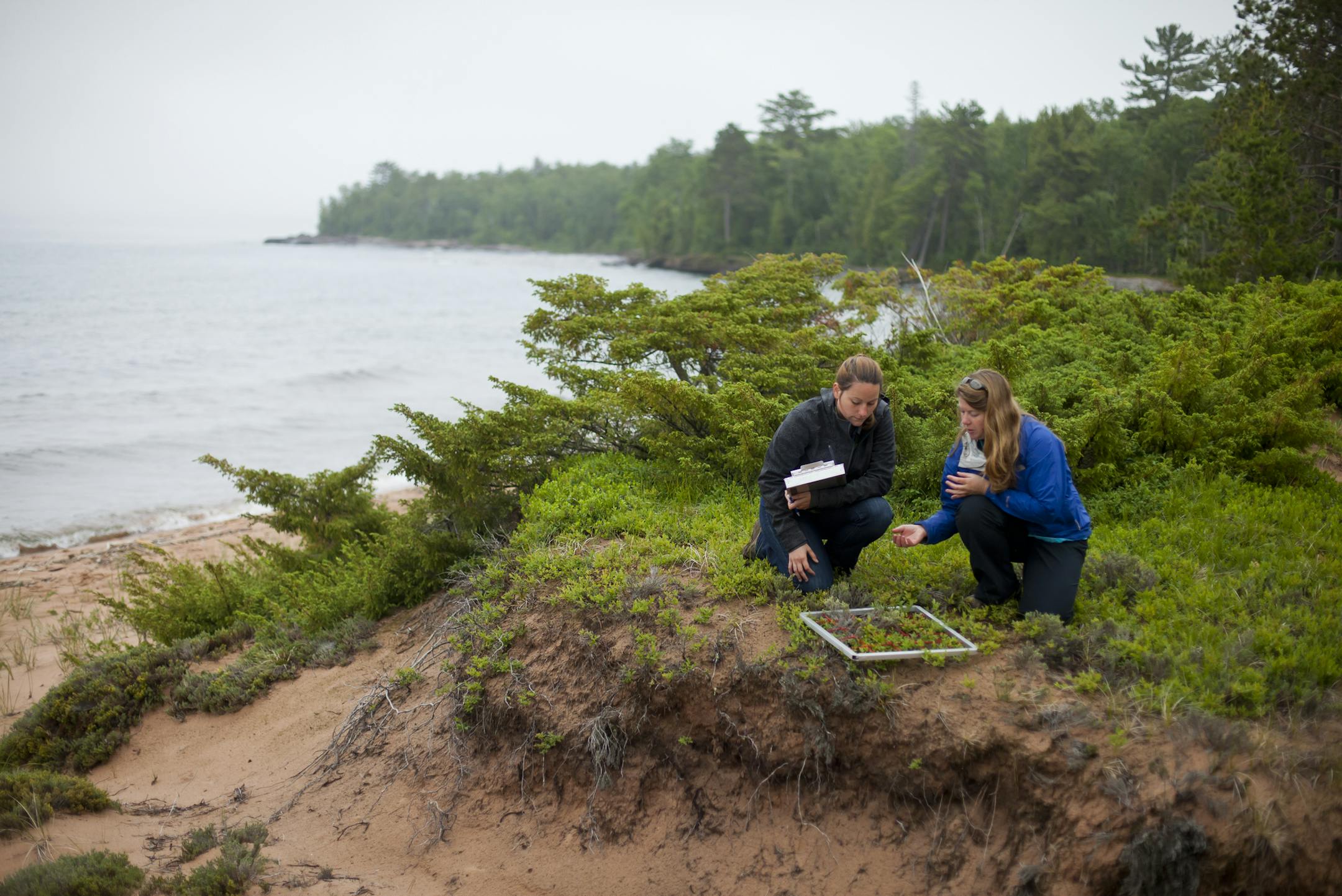
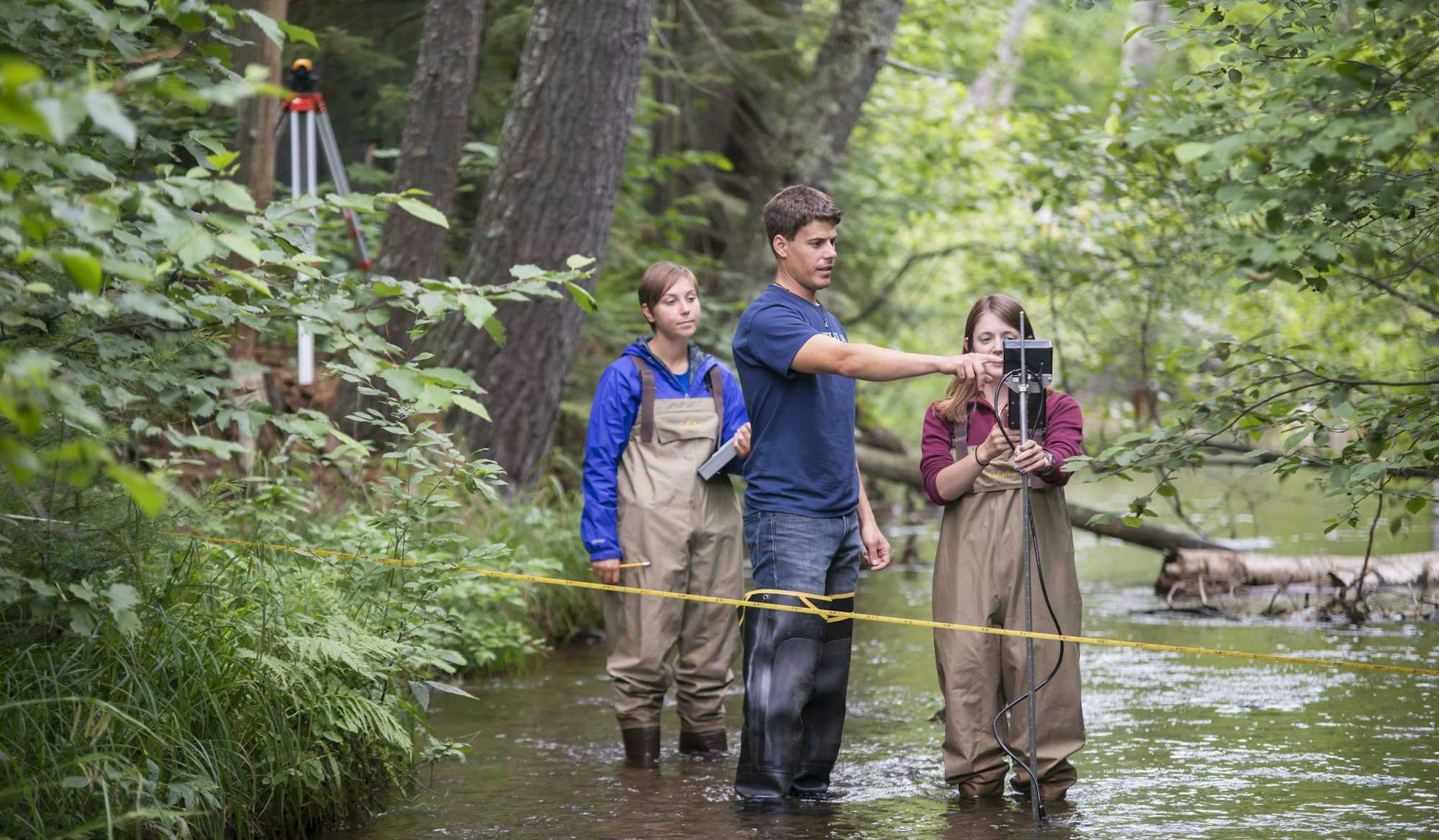
Founded in 1892, Northland College is located in northern Wisconsin near Lake Superior and the Chequamegon National Forest with its resident wildlife. (A moose frequents Northland's soccer field.) Northland's 500 students reside on a small campus with classic stone buildings and a light-filled student center, but much of their time is spent in the field. The school specializes in blending environmental pursuits with liberal arts classes and experiential learning. It was recently voted one of the "coolest schools" by Sierra Magazine for some of its eco-friendly operations, including an ambitious local food program, plus innovative recycling and energy initiatives. For a private college, Northland's fees are slightly lower than larger liberal arts siblings (currently $30,450 per year) and it offers a range of work-study options for tuition assistance.
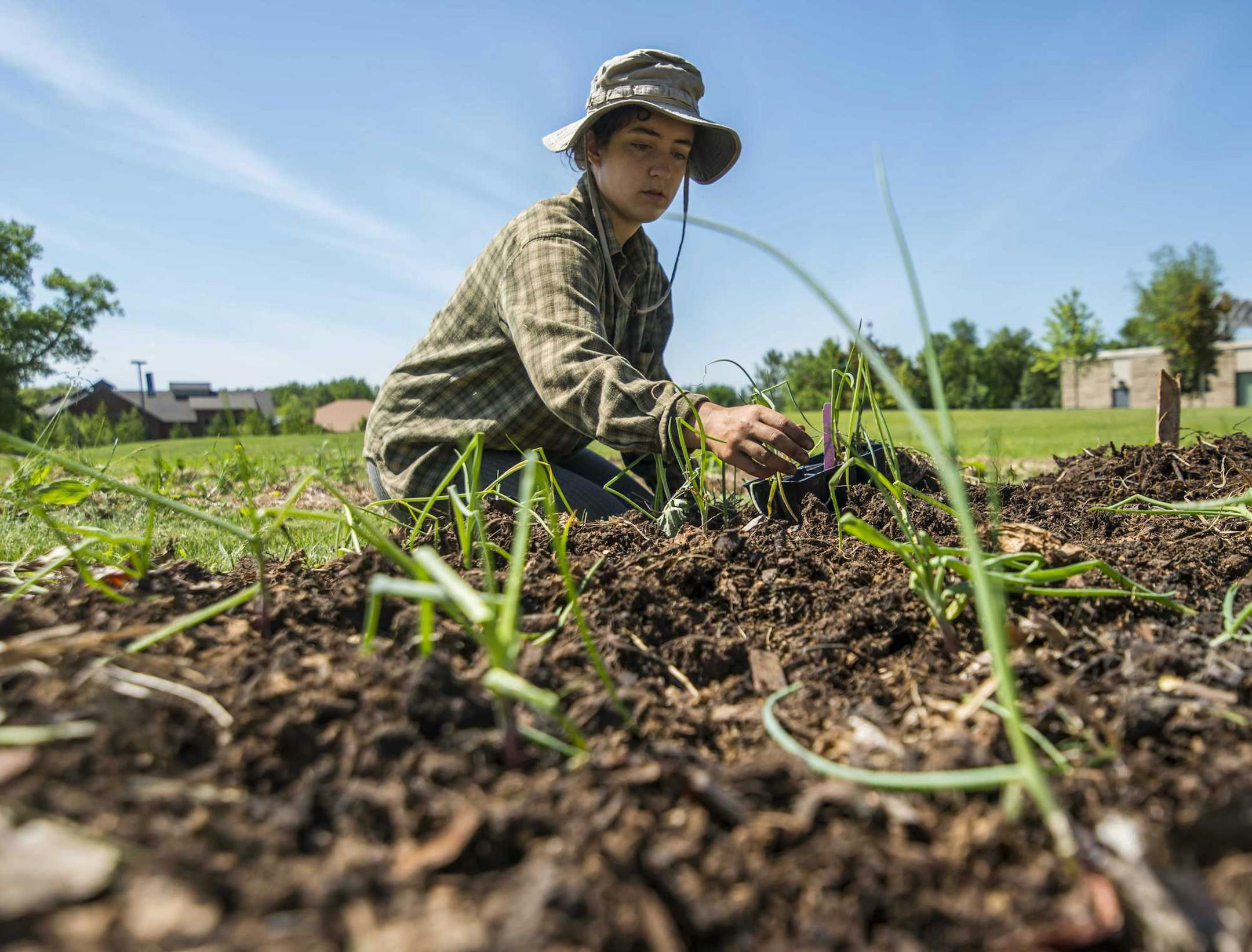
To begin their college careers, Northland freshman choose from one of three courses of study: Natural Connections, exploring environmental themes in literature, art, science and math; Growing Connections, focused on sustainable agriculture; and Superior Connections, led by English professor Alan Brew and campus minister David Saetre (provost Rick Fairbanks helped design and lead the program until his death a few years ago). Superior Connections culminates with a one-month road-trip and paddling expedition around Lake Superior covering 1,800 miles with stops at interpretive centers and historical sites, plus a four-day kayaking excursion along the lake's wild and roadless Superior Highlands coast west of Wawa, Ontario. This allows students to experience the Lake's 3.5 billion-year-old geology, clear fresh water and fickle moods.
"It's more than a camping adventure," said Neitzke. "We've taken nine classes that include geology, natural history, humanities and literature of the Ojibwe and European cultures."
Rather than viewing each class as independent and separate, 12 professors collaboratively designed the program to prompt interdisciplinary connections via a mosaic of coursework. "Along with textbooks, we've read personal journals and newspaper accounts of the early voyageurs [fur trappers and traders], soldiers, miners and lumberjacks to help us understand what's going on today," said McCormack.
At Old Fort William Historical Park in Thunder Bay, Ontario, students foraged for medicinal herbs with an Ojibwe woman named Falling Star. In Nipigon, Ontario, they observed a community stricken by poverty following a fire at the local lumber mill. Over lunch at a picnic table in Neys Provincial Park, a Canadian Provincial Park, an officer told stories of the German prisoners of war who tried to escape by tunneling through the lakeshore sand, only to decide to remain in Canada once peace was declared.
"We learned so much from the people living in these communities," said Szymaniak. "Take Steven Dahl, a commercial fisherman on Knife Island, Minn., and the award-winning author of 'Knife Island: Circling a Year in a Herring Skiff,' who is also a musician and built his own house! Talk about the Renaissance man."