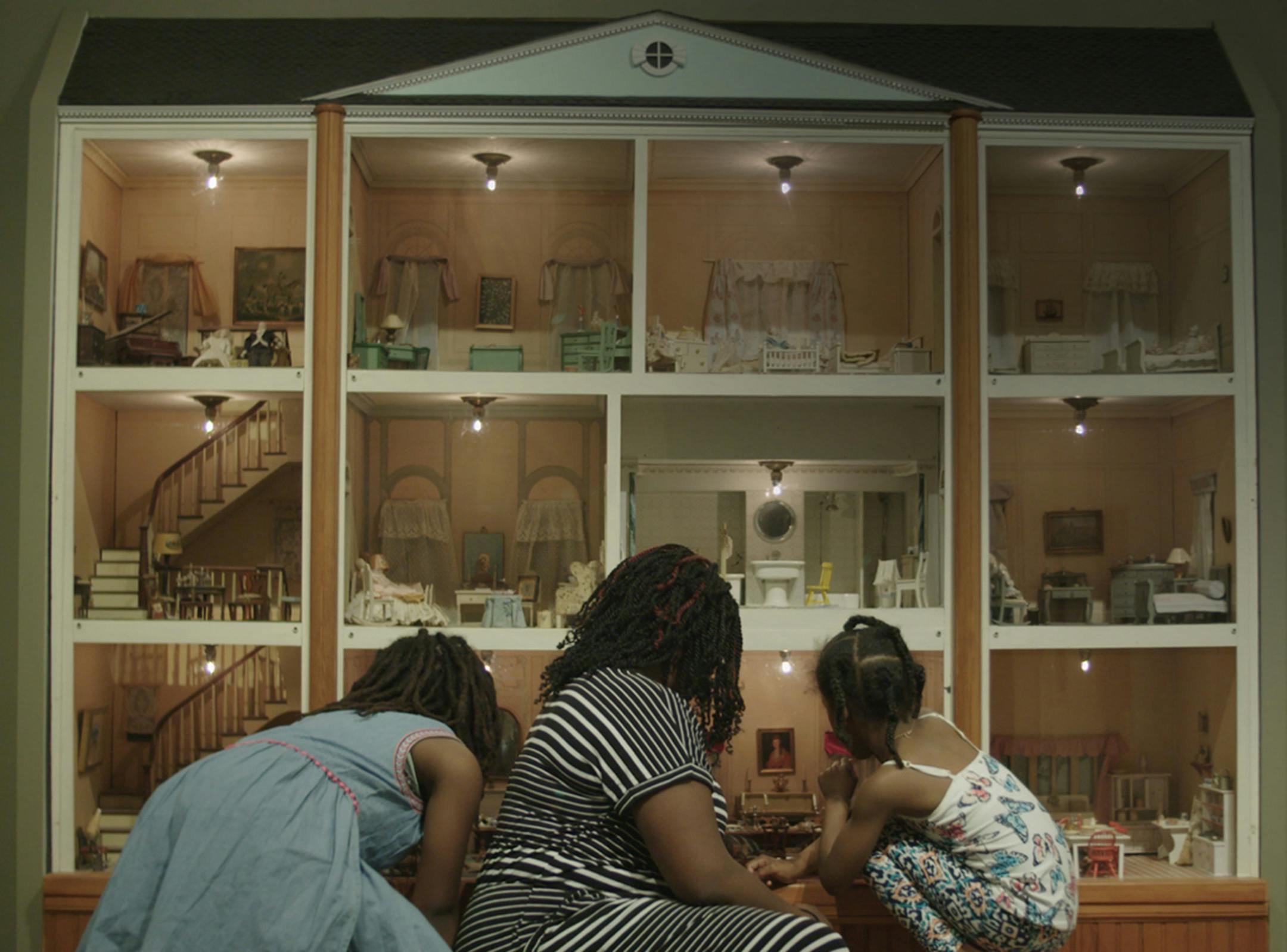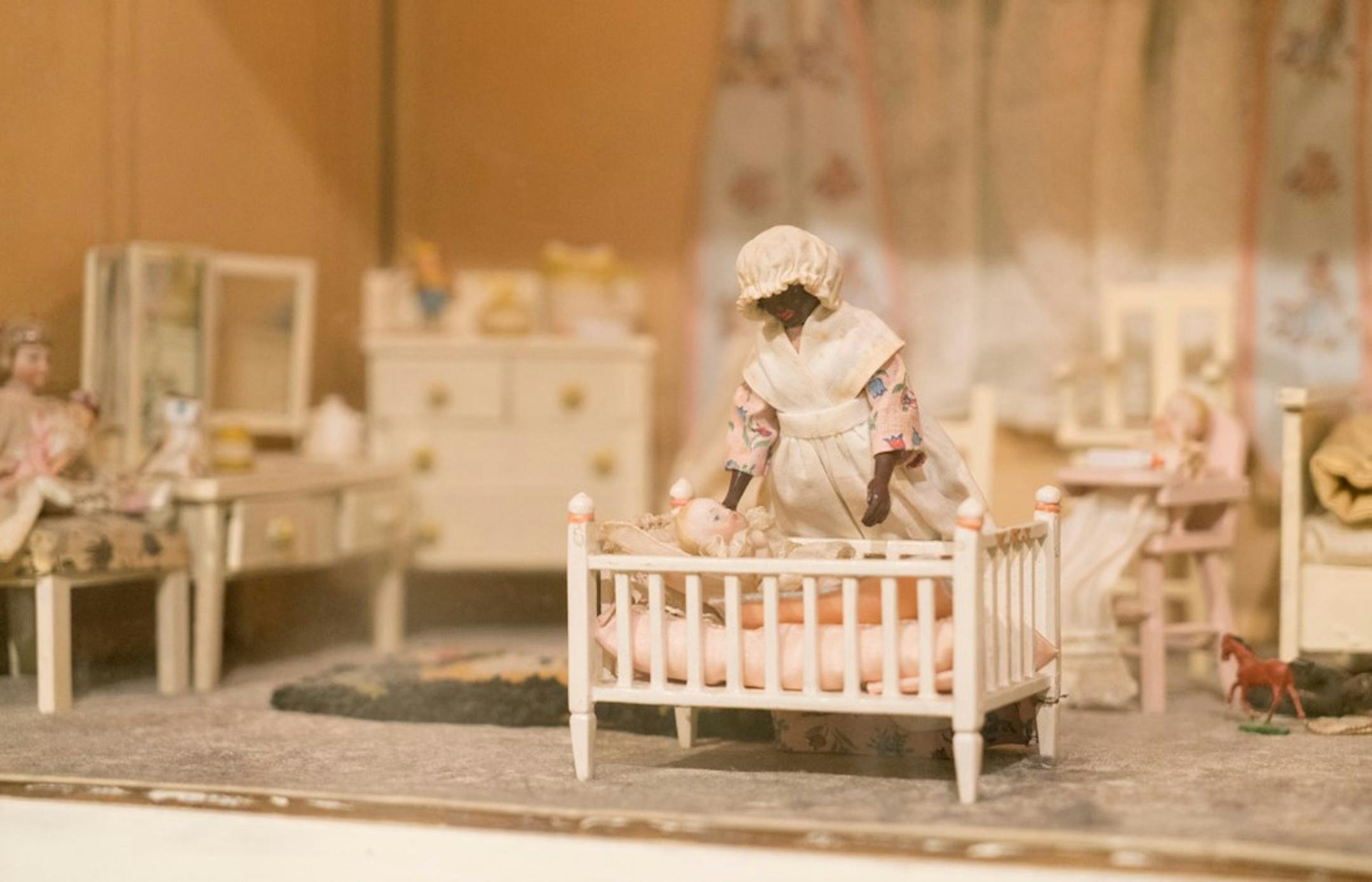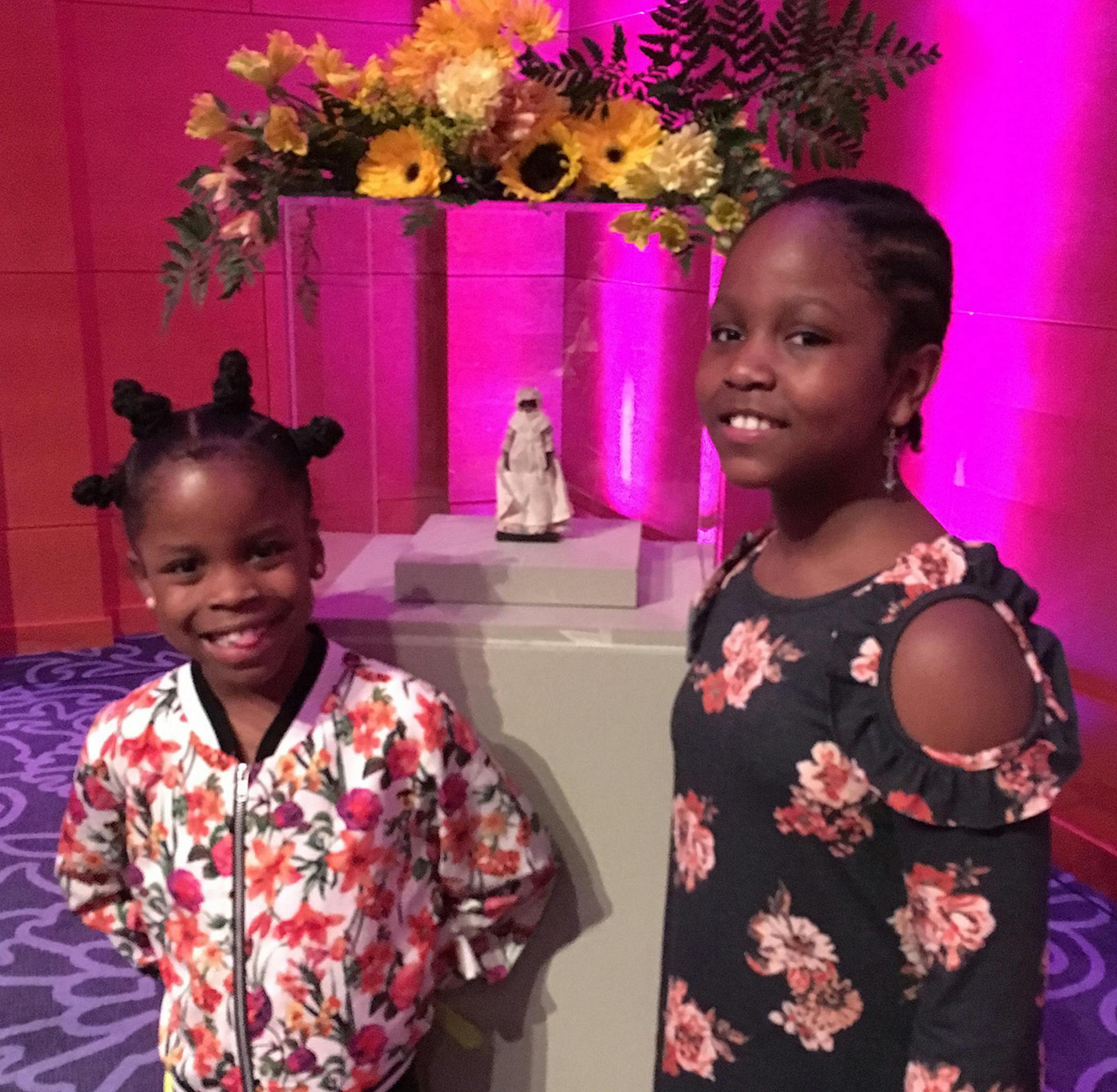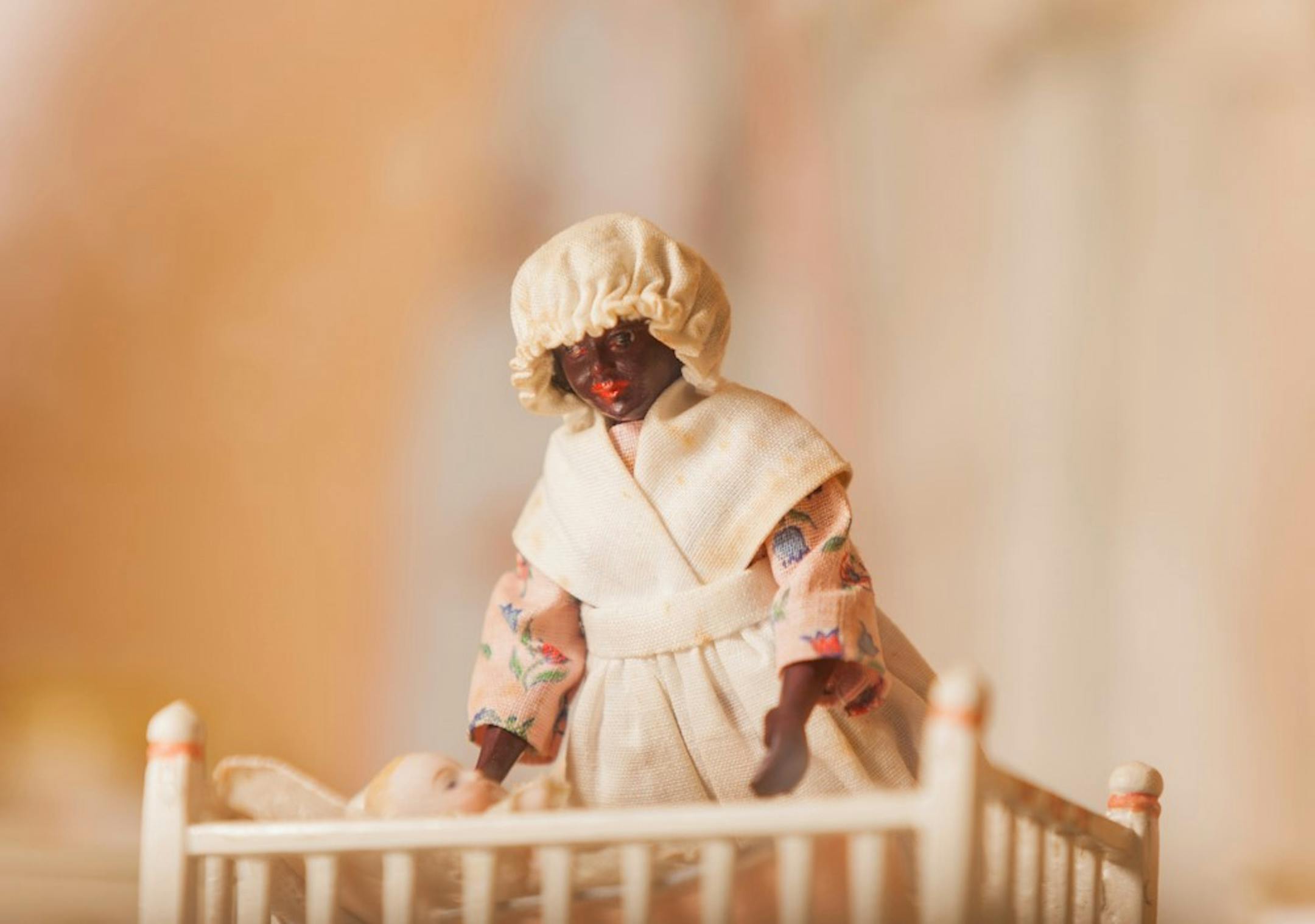
She was removed quietly from an elaborate, three-story dollhouse at the Minneapolis Institute of Art. But the mysterious disappearance of the tiny doll — a black maid — sparked pain, a short documentary and led to a potent conversation about race.
Now she's back, and happy stakeholders inside and outside the museum are determined to keep that conversation going.
"I think it's great, and I'm also happy about the process," said Andrea Pierre, who is African-American and who played a key role in the doll's reappearance May 16 in the museum's family center.
The doll didn't just return. For years, she stood at the sink in the lower-level kitchen, her back to visitors. She's been moved to the top-floor nursery, her face now in full view.
Kim Huskinson, the museum's senior manager of audience engagement, said this story is not about the doll, per se, but about "the larger conversations around race that are occurring in museums nationwide."
Those conversations, she said, include questions about how art is acquired, what art is acquired, how race is represented in that art and, even, how diverse a museum staff is.
"The doll," she said, "has been a catalyst for real change" at the museum.
That real change includes a new informational label next to the dollhouse explaining the disappearance and reappearance of the maid. There's also an iPad offering visitors expanded context about "why it originally caused trauma." Parents are encouraged to access the iPad for questions to begin conversations about race with their children.