
At alma mater of most Minnesota cops, reform tops agenda

The education provided to police officers is an important part of the puzzle.

May 25, 2021 at 10:45PM
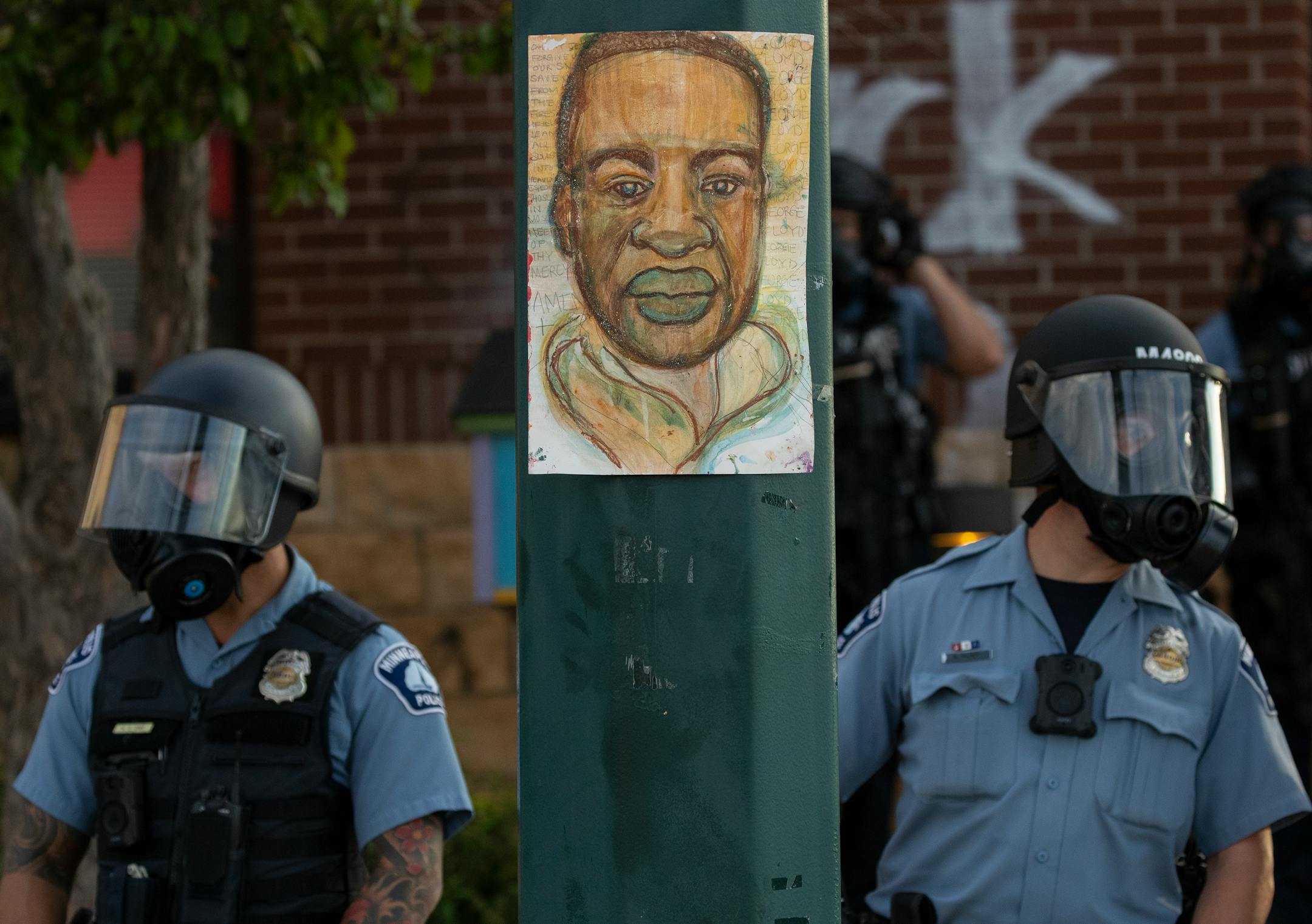
Minnesota police stand outside the department’s 3rd Precinct on Wednesday, May 27, 2020, in Minneapolis. (Carlos Gonzalez, Star Tribune/The Minnesota Star Tribune)

It's been a whole year since George Floyd was murdered at the hands of a former Minneapolis police officer. In the months since, the calls for fundamental reform of law enforcement in Minnesota were many and wide-ranging. At Minnesota State, we have a role to play.

With approximately 86% of Minnesota's law enforcement graduates coming from one of the 37 Minnesota State colleges or universities, the education we provide is clearly a piece of the reform puzzle. In this context, we began the work of identifying steps Minnesota State could take – reforms we could make to law enforcement education – that would contribute to the societal change so clearly needed.

We began with the premise that the conversation must be collaborative, diverse and inclusive. To reflect varied interests in a substantive conversation, Minnesota State, in partnership with the Minnesota Office of Higher Education, convened a 39-person task force that included representatives from the Peace Officer Standards and Training (POST) Board, police departments and precincts, political leaders, the Office of Higher Education, as well as those who have a vested interest in law enforcement education, including community organizations, citizen and student groups, and education partners, including the University of Minnesota and K-12 schools.

We asked the task force to examine and advise on initiatives, programming and priorities relative to an anti-racist law enforcement education and transformative policing of our communities. The task force review focused on reforms to law enforcement education that directly address issues of racism and social justice in order to produce graduates who are culturally competent and able to equitably respond to all of those whom they are charged to serve and protect regardless of skin color, national origin or identity.

The reforms must be action-oriented, responsive to community needs and align with broader police reform efforts.

Needed reforms identified by the task force include incorporating cultural competency as well as leadership training and development into the curriculum while infusing programming with anti-racist education. We must increase culturally responsive education on mental health, mental illnesses and trauma, and scenario-based crisis intervention training. Transformative policing practices must be developed that emphasize the role of law enforcement as public servants within communities.

To make these and other reforms effective, we must ensure that all colleges and universities have a Program Advisory Committee and complete a thorough review of law enforcement and criminal justice programs.

Another key area in which the task force identified much room to improve is in recruitment and retention of Black, Indigenous and people of color (BIPOC) law enforcement officers.

This could begin by leveraging partnerships with pre-K and K-12 school districts to recruit and retain BIPOC students into law enforcement and criminal justice programs, removing barriers to recruiting, and creating partnerships with POST-certified Professional Peace Officer Education (PPOE) programs.

Progress is being made in this area: A five-year enrollment trend for law enforcement majors by race/ethnicity data shows that colleges went from 15% BIPOC law enforcement students in fiscal year 2015 to 23% in 2020, and universities went from 12% in 2015 to 22% in 2020.

Attracting and retaining BIPOC faculty and staff also received attention from the task force – currently, about 90% of faculty in the Minnesota State law enforcement and criminal justice programs are white, and administrators throughout the state will be developing strategies for addressing this issue.

After our graduates find positions within police departments in communities across our state, they and their new colleagues are required to continue their education in order to maintain and renew their licenses. This makes education of current officers an important opportunity to implement reforms in law enforcement education, as well.

Minnesota State must redesign continuing education opportunities and increase emphasis on anti-racist and cultural competency curriculum. Professional development requirements and curricula should be developed in partnership with experts in the field of diversity, equity and inclusion, and with members of diverse communities. Improved and more influential partnerships with departments could yield service learning and internship opportunities with law enforcement and corrections organizations that express a commitment to anti-racism and cultural competence.

The work of implementing these and other recommendations of the task force has begun. While the challenges we face are deep and substantial, the Minnesota State law enforcement faculty and administration teams share a great capacity for empathy, collaboration, healing and transformation.

Though we recognize that complex societal issues like police reform and closing educational equity gaps cannot be solved by one sector alone, the work of the Minnesota State task force on law enforcement education reform represents a significant step in advancing transformative changes to the way our system of higher education serves our policing, law enforcement and criminal justice systems, and our society as a whole.

Satasha Green-Stephen is an associate vice chancellor for academic affairs at Minnesota State and one of the conveners of the Minnesota State task force on law enforcement education reform.

about the writer

about the writer

Satasha Green-Stephen

More from Commentaries

See More
card image
Carlos Gonzalez/The Minnesota Star Tribune

Dollar amounts were discussed early, and the problems only grew from there.

card image
card image