

The commentary by the regional deputy of the U.S. Army Corps of Engineers ("Asian carp threat has its limits," Sept. 17), which minimized the Asian carp threat in Minnesota, offered little comfort to those of us who have been trying to protect the state's rivers and lakes from these invasive fish.
Yes, her claim that the possible effects of Asian carp on our state's waters have been overstated by some is accurate, and we all need to be careful to stick to the facts.
Indeed, there is no reason to exaggerate. The truth is scary enough on Asian carp.
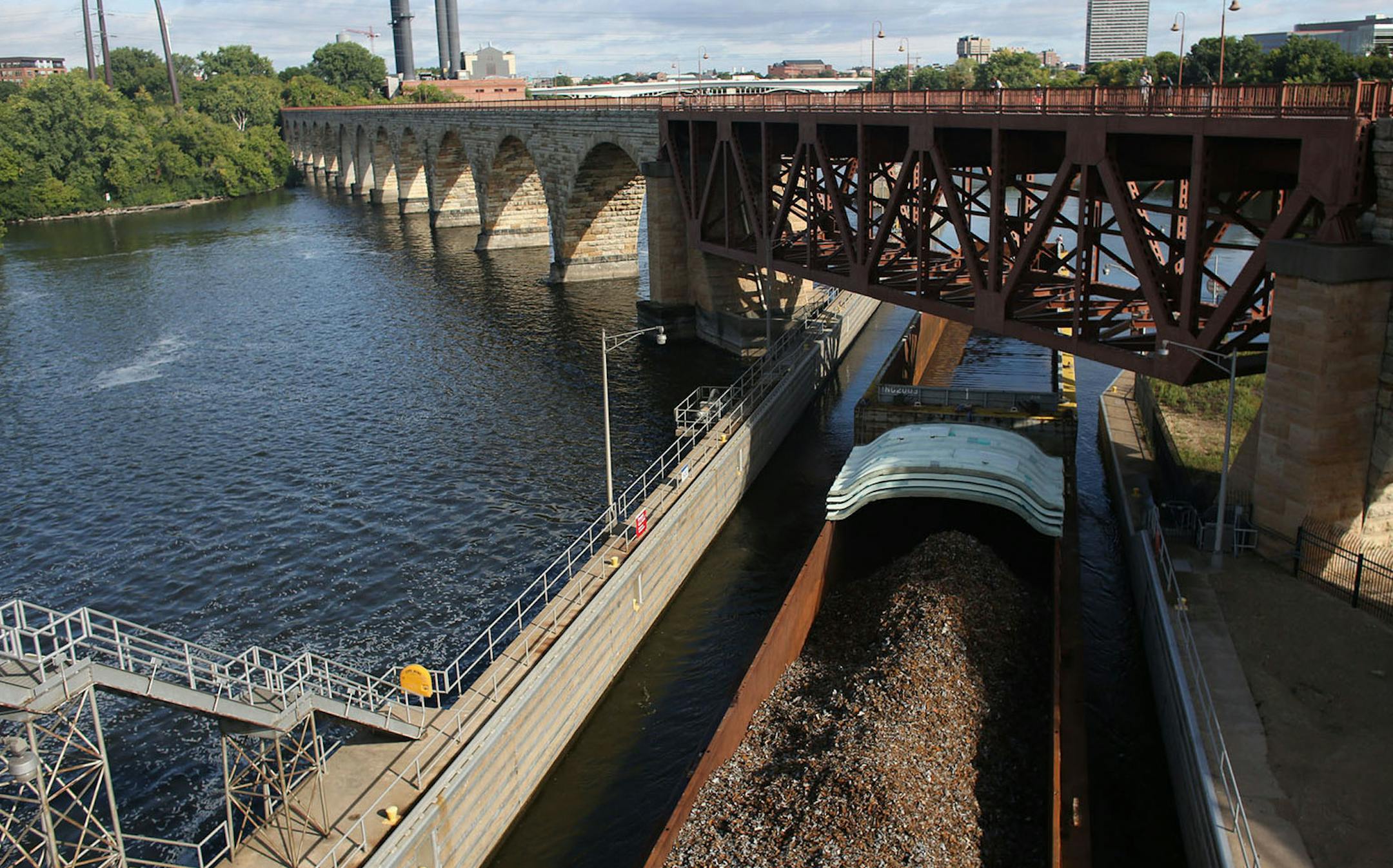
These fish have rapidly invaded waters in states to our south, to the extreme detriment of native fish and water-based recreation, and there is no reason to assume it will not happen here. The fact that all of our state's waters are not currently at risk is no reason to imply that closing the Upper St. Anthony Falls lock at Minneapolis is not necessary.
We are fortunate that our own elected officials do not share the Corps' approach to risk management. With leadership from Reps. Keith Ellison, Rick Nolan, Erik Paulsen and Tim Walz, as well as Sens. Amy Klobuchar and Al Franken, Congress appears poised to pass a Water Resources Development Act that will authorize closure of the Upper St. Anthony lock.
With this key legislation in the balance, I feel compelled to address a few important facts that were left out of the Corps' commentary.
First, while the Coon Rapids Dam is important in helping to stop the spread of Asian carp, it is not a 100 percent effective fish barrier. Based on a 79-year flow record, fish passage by the dam would be possible an average of four to five days every 10 years.
The reality is that if Asian carp continue their upstream migration in the Mississippi River, they eventually will get past Coon Rapids, probably during or after a flood event. Whether these fish will have the ability to get past the dam in numbers sufficient to colonize upriver stretches is just one of the many uncertainties we face. But clearly this is a risk we should not and need not take, given the option to close the lock at Upper St. Anthony Falls.


