

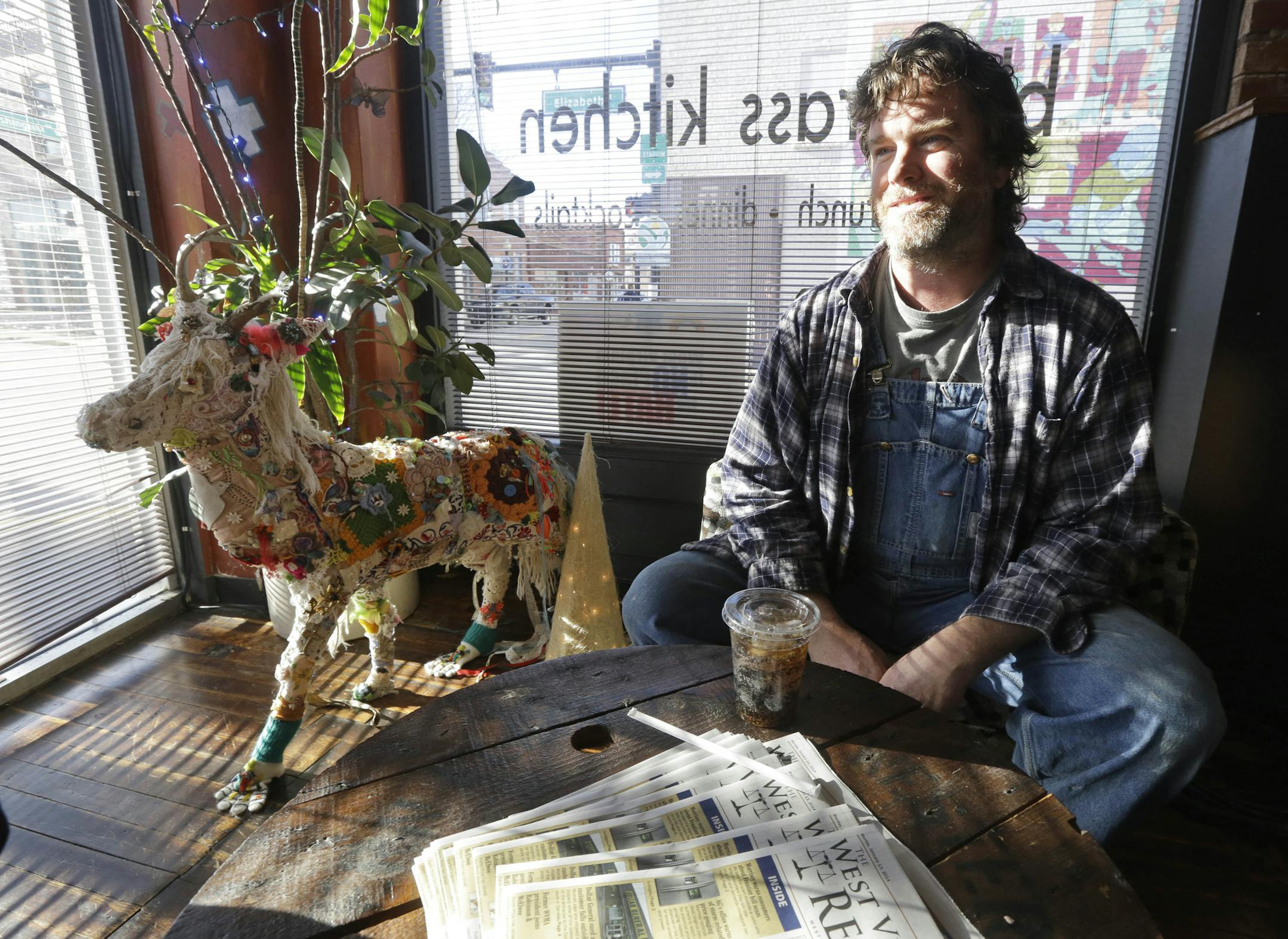
CHARLESTON, W.Va. – It took four days, but the Roadrunner Grill in nearby Nitro resumed serving hot bologna sandwiches Tuesday for the first time since being shut by a chemical spill that polluted the area's water.
"We are just waiting on the people," said the Roadrunner's owner, Belinda Hawley, as she looked out over her dining room with just two customers. "I'm open, and it's better than not being open."
The Jan. 9 spill of a coal-processing chemical into the Elk River prompted the largest "do-not-use" order issued by West Virginia American Water Co., affecting 300,000 residents in nine counties surrounding Charleston, the state's capital. Service was starting to be restored as of Monday, leaving residents and businesses to take stock of the economic damages.
The picture is mixed. Lawyers who are signing up clients for class-action lawsuits say the costs in lost wages, revenue and other economic harm could top $500 million. They've already filed more than a dozen cases against Freedom Industries Inc., the company that owned the tank that leaked into the river, or West Virginia American Water, a subsidiary of American Water Works Co., the largest U.S. water company, and chemical maker Eastman Chemical Co.
Independent researchers say that while individuals have suffered, the lawyers' estimate probably exaggerates the effects on the region when purchases were deferred or pushed to areas not affected by the water ban. The daily economic activity in the Charleston area is $35 million, not a huge amount of the state's annual output of $55 billion, said Matt Ballard, president of the Charleston Area Alliance.
"And this didn't negatively impact every business," Ballard said. "Things are going to turn back to normal."
Gov. Earl Ray Tomblin said that tests by the company at the water treatment plant found no presence of the chemical that triggered the water ban. As of Wednesday, water was cleared for 51,000 homes and businesses — roughly half the customer accounts — to use.
That's little solace to small-business owners, waiters and barbers who lost income as businesses and schools were shut by county health officials..


