As the mayor of a small town in the suburbs of Indianapolis, Emily Styron knows that her constituents count on her to remain calm.
But two days after the May 24 school shooting in Uvalde, Tex., Styron snapped when she saw a comment on Facebook from someone who appeared to discount the role that guns played in the slaughter of children and teachers at Robb Elementary School. She let loose on Facebook with an expletive-peppered rant.
"I am so sick and tired of the stupid useless rhetoric … when it comes to gun regulation," Styron, the Democratic mayor of Zionsville, Ind., wrote, angrily lamenting the "mass murders" of the nation's children.
Styron's anger reflects a sober reality for local officials across the nation. They say they are pessimistic that a federal — or even state-level — solution to the violence is forthcoming, even as President Biden renews his push for Congress to act on gun restrictions. Instead, armed with little more than fresh outrage, elected officials, police chiefs and school leaders are scrambling to find other ways to keep their own communities from becoming the next to be shattered in the country's unrelenting season of bloodshed.
Besides beefing up response plans and fortifying potential targets, local officials say they hope to revive public service campaigns that encourage even the nation's youngest students to report suspicious behavior. Local governments also hope to scrape together enough funding to expand mental health services to try to reach troubled residents before they lash out in violence.
"Everyone is on high alert," said John Tecklenburg, the nonpartisan mayor of Charleston, S.C., where 10 people were wounded in a mass shooting on Monday night. "I am fed up with this situation and will certainly try to do anything we can, but it is a daunting situation."
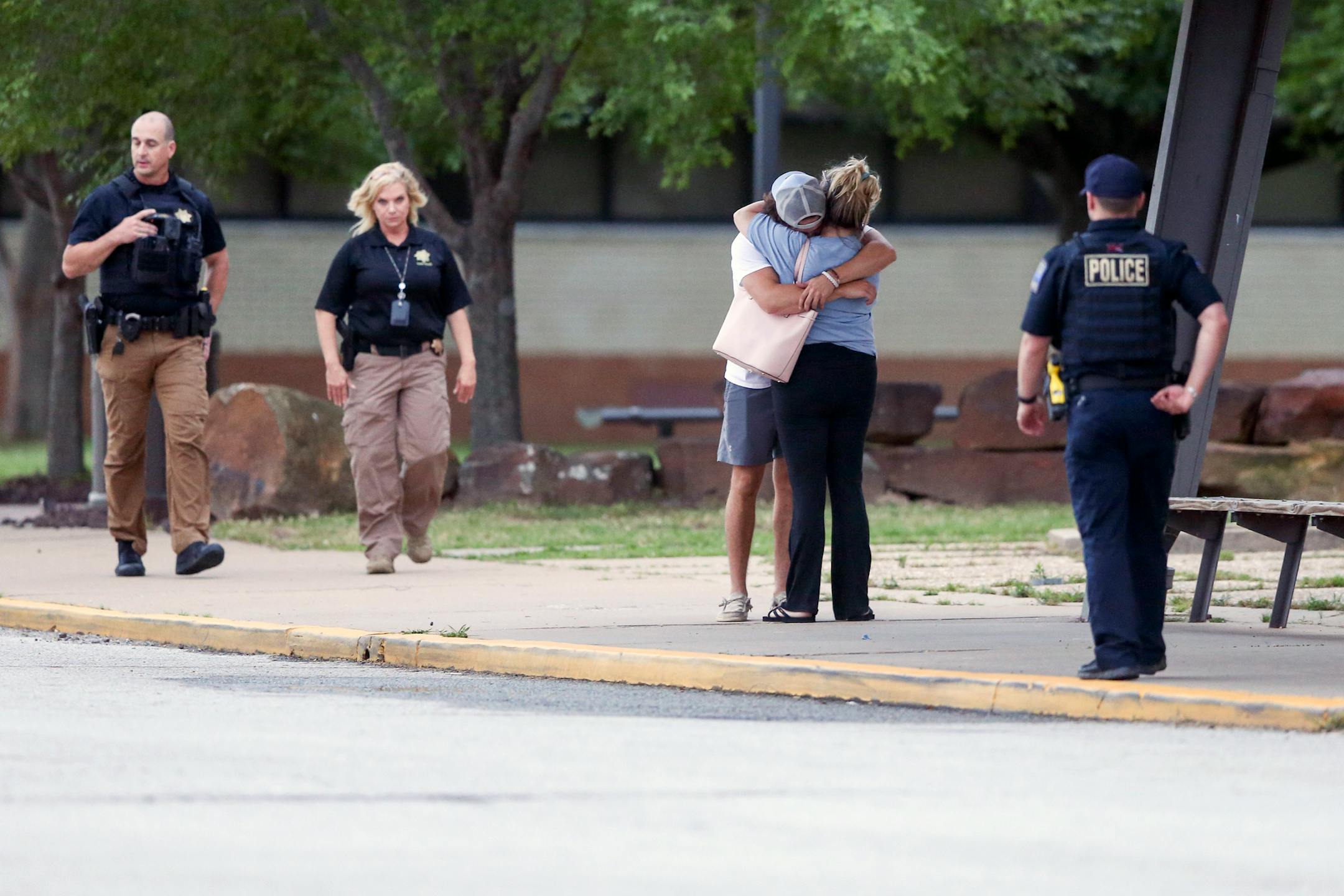
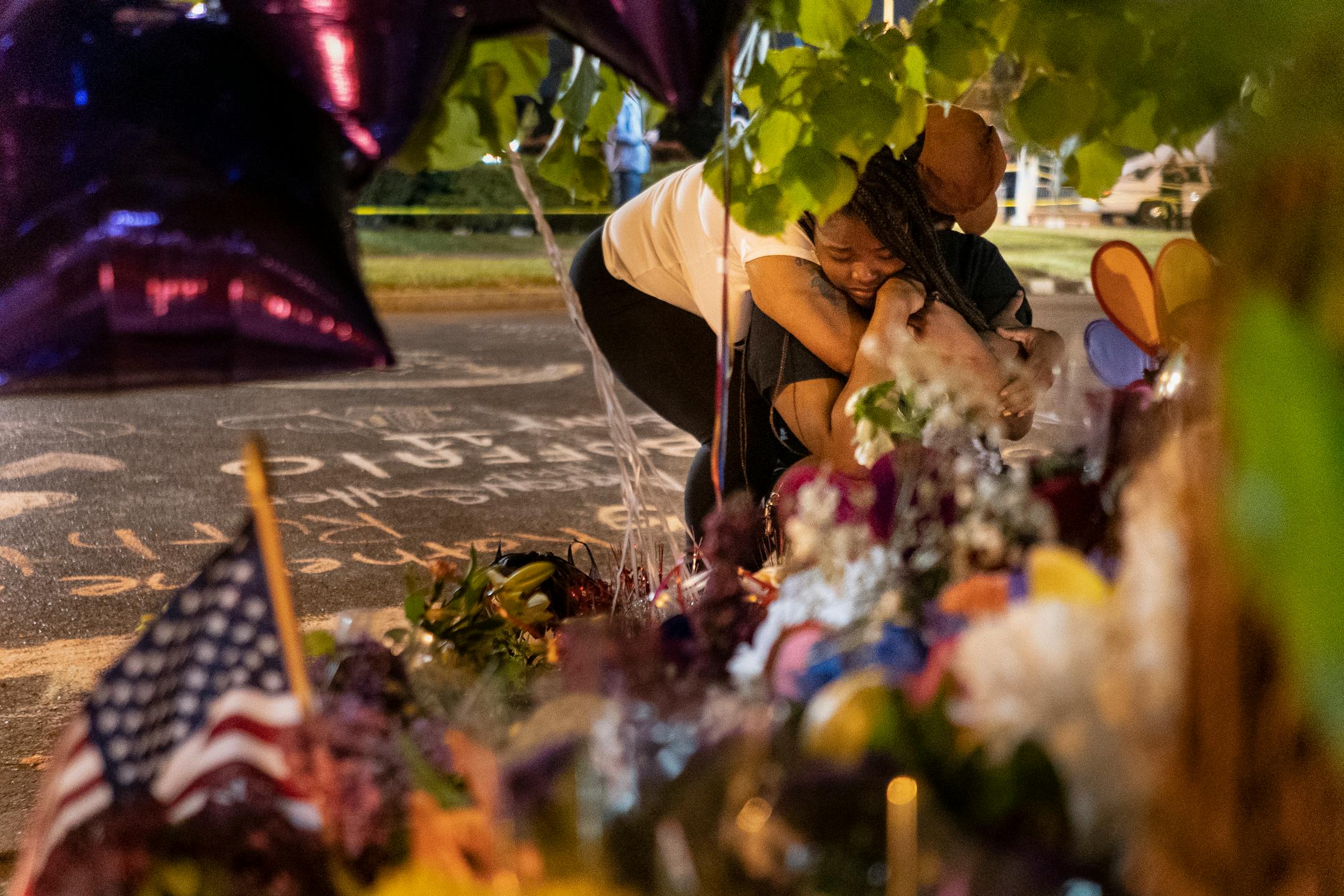
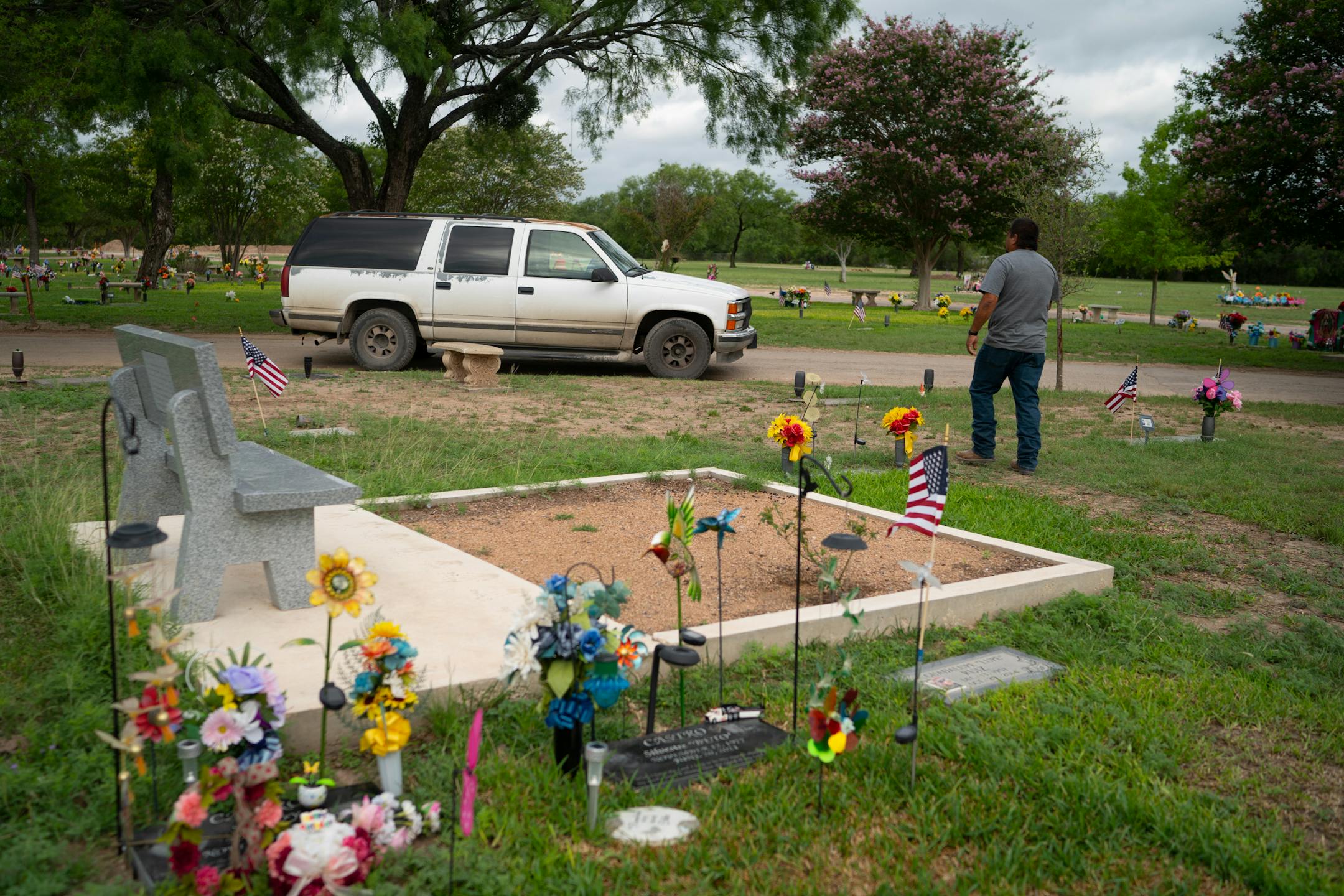
Over the past month, gunmen have killed nearly three dozen people in attacks at a grocery store in Buffalo, the school in Uvalde and a medical office in Tulsa. Those shootings were just part of a deeper pattern of violence besetting a rattled nation.
Since May 14, when an allegedly racist gunman attacked the grocery store in a predominantly Black neighborhood in Buffalo, there have been more than 35 mass shootings, including more than a dozen over Memorial Day weekend. So far this year, there has not been a single week in the United States without a mass shooting — defined as a gun attack in which four or more victims are injured or killed — according to the Gun Violence Archive, a research group.