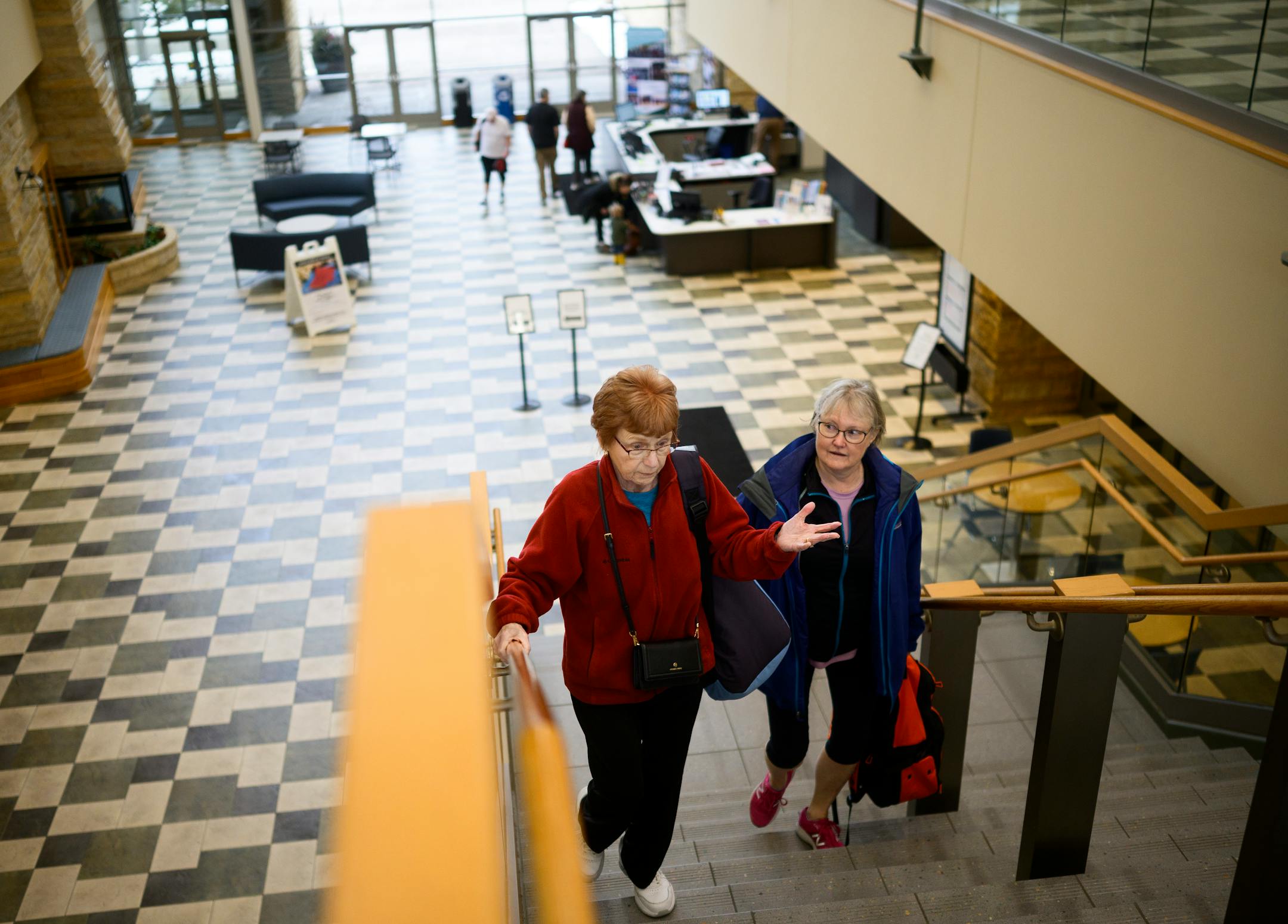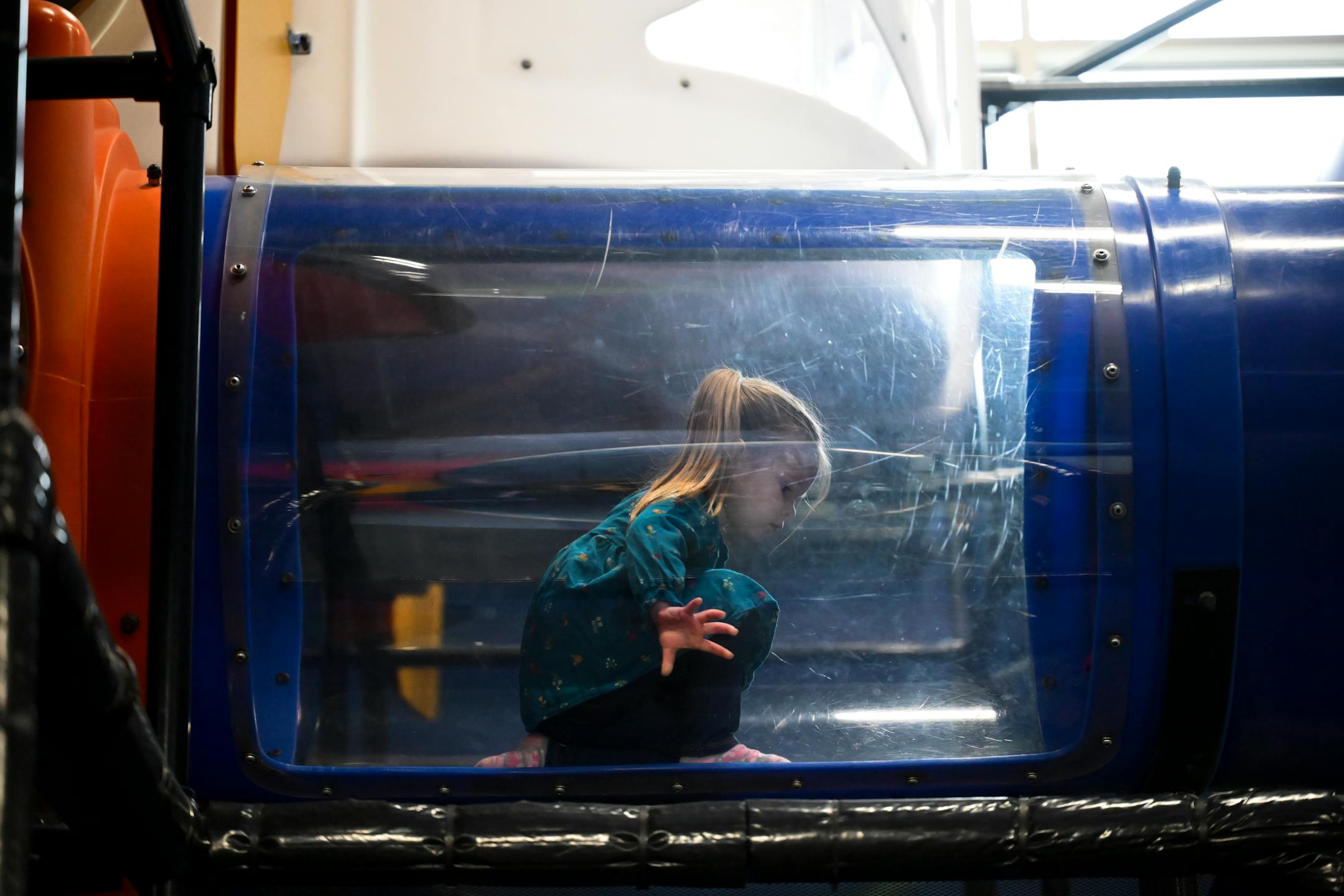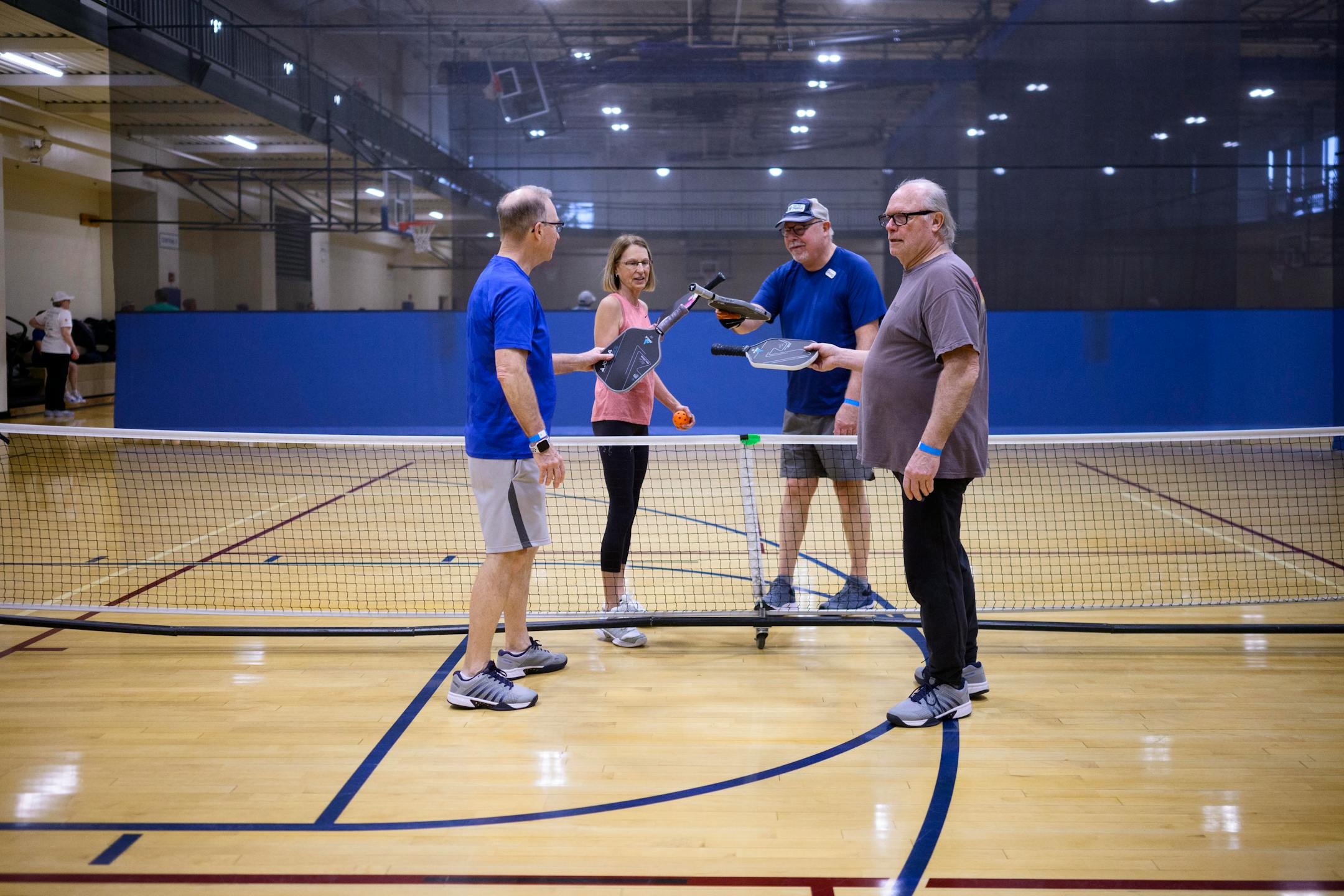
Twin Cities suburbs that boomed in the 1990s built shiny new community centers as a place for residents, ranging from teens and young families to seniors, to congregate and be active.
Three decades later, many of those facilities are aging and outdated. Across the metro, city leaders are pondering the same question: At a time when the cost of basic services is rising, are these community spaces, with their massive indoor playgrounds, gymnasiums, pools and event spaces, still worth the investment?
For several cities, the answer is clearly yes. Among them: Apple Valley, Chaska, Eagan and Maple Grove, which are all making plans to upgrade their community centers or already doing it, with price tags from $10 million to $116 million.
“It’s a great symbol of what a community can be to have these spaces where people can be comfortable and gather,” said Chuck Stifter, Maple Grove’s parks and recreation director.
Other communities have made different calculations after crunching the numbers for long-term operational costs.
After a 2018 study found that Rosemount would lose $500,000 annually running a community center, officials “pretty quickly abandoned the idea,” said City Administrator Logan Martin. Instead, the city is helping Life Time Fitness with some construction costs; the city owns the building and the land the fitness center sits on.
Several city officials compared the facilities to parks and libraries: public spaces that aren’t supposed to turn a profit but enrich residents’ lives.
City officials must choose whether to fill potholes, tackle affordable housing or invest in civic centers, said Edward Erfurt, director of community action for Strong Towns, a nonprofit dedicated to helping cities become financially resilient. The centers can help communities come together, which is important, and can have benefits like reducing youth crime.